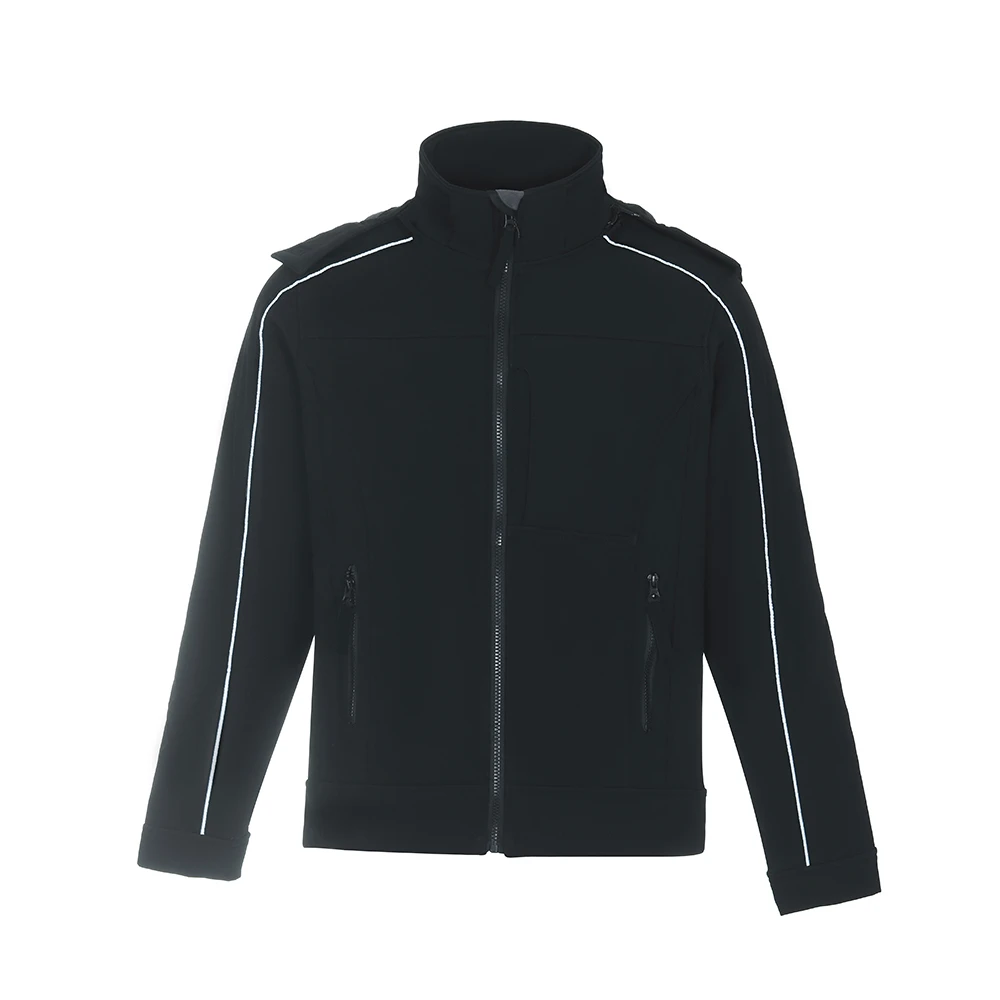
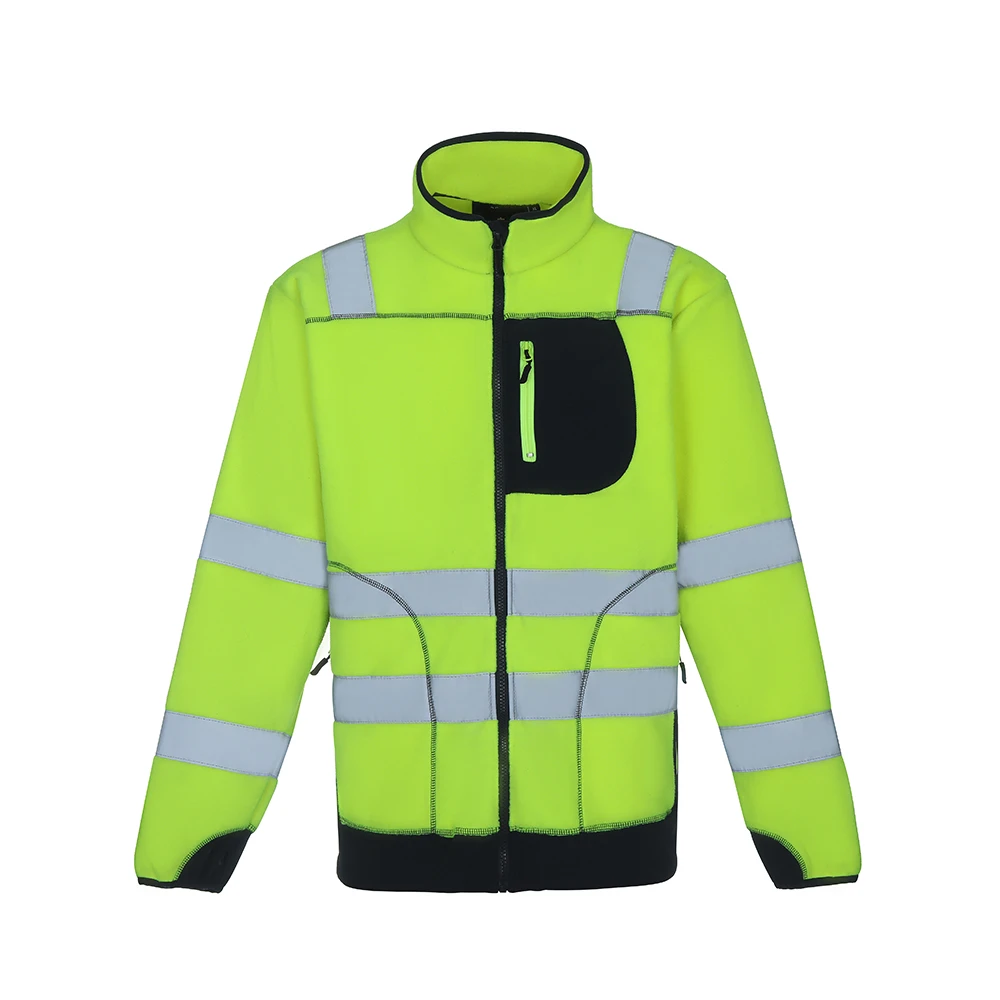
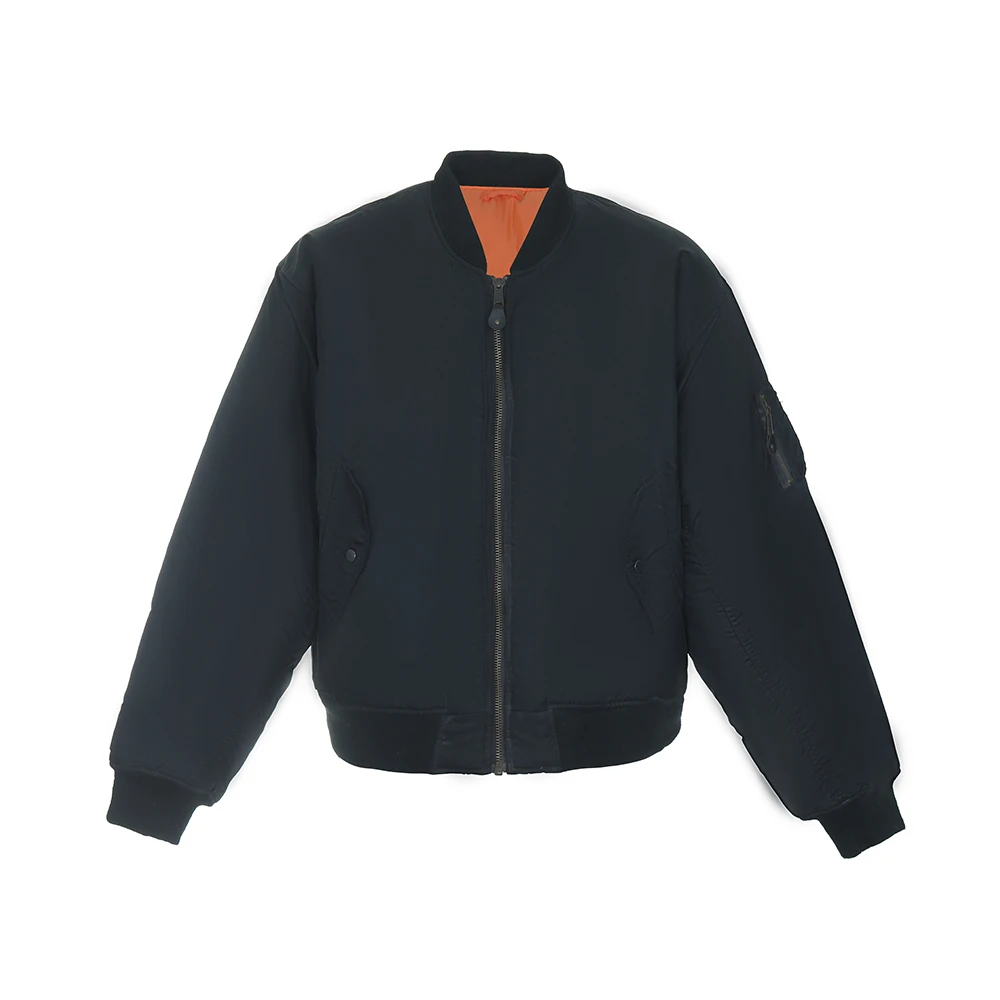
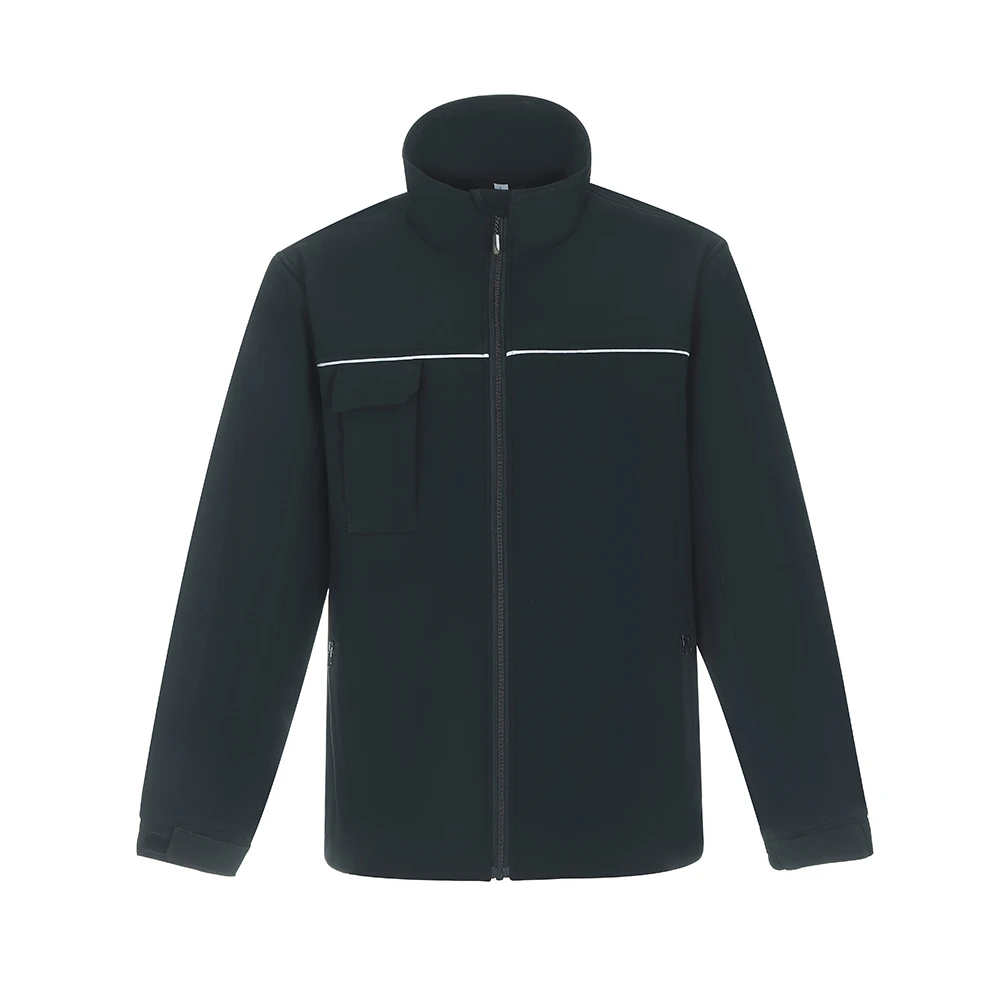
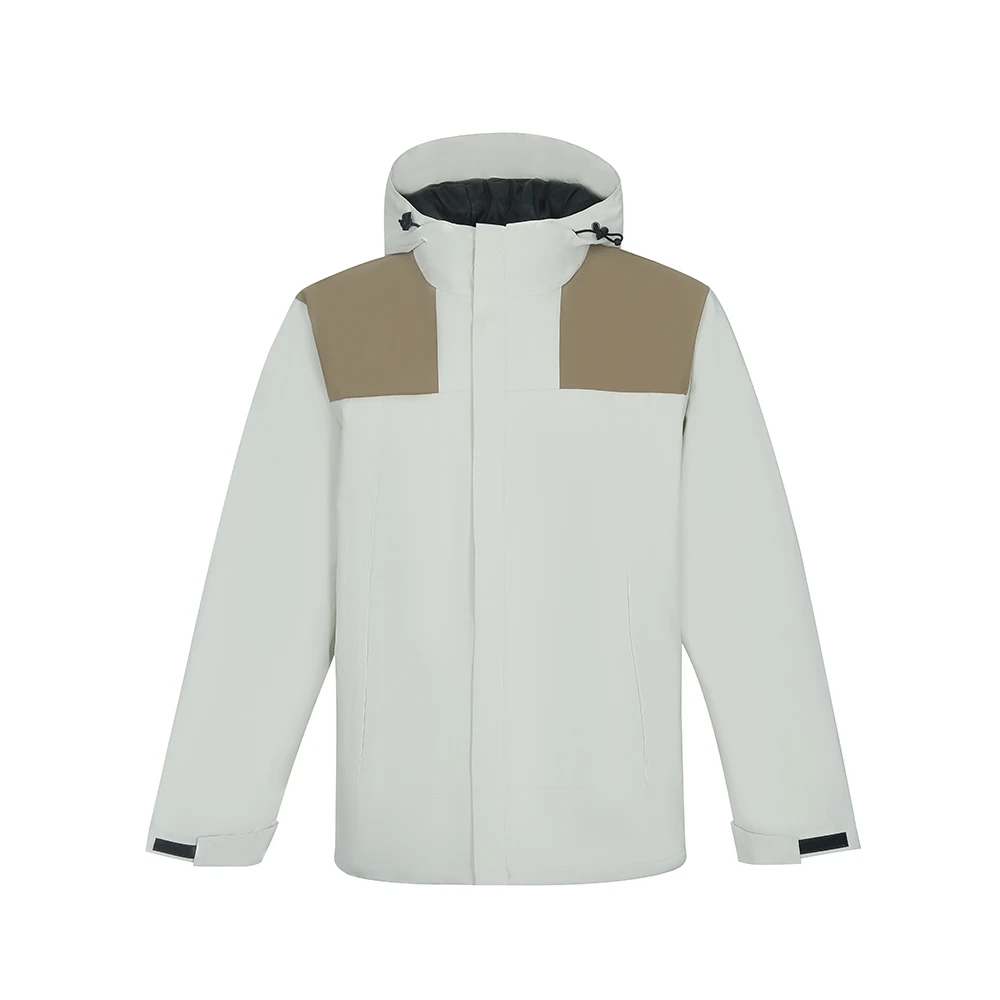
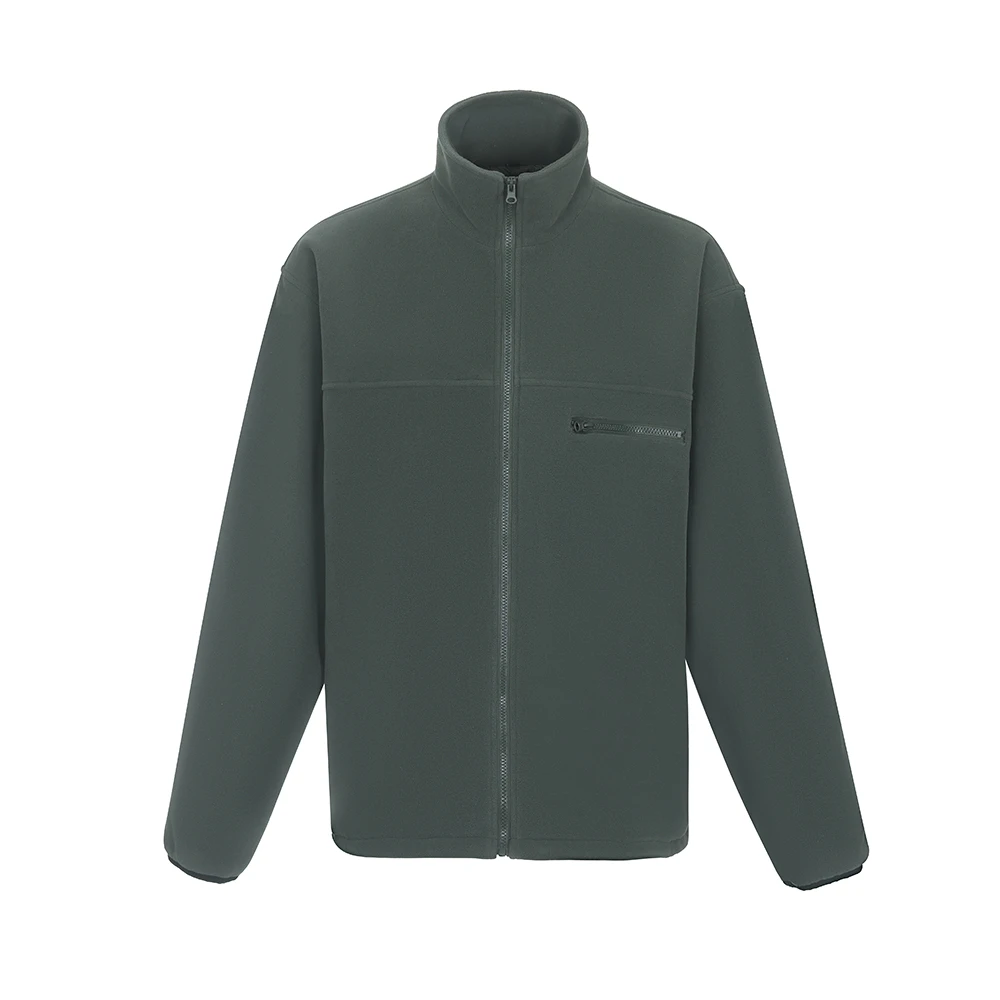
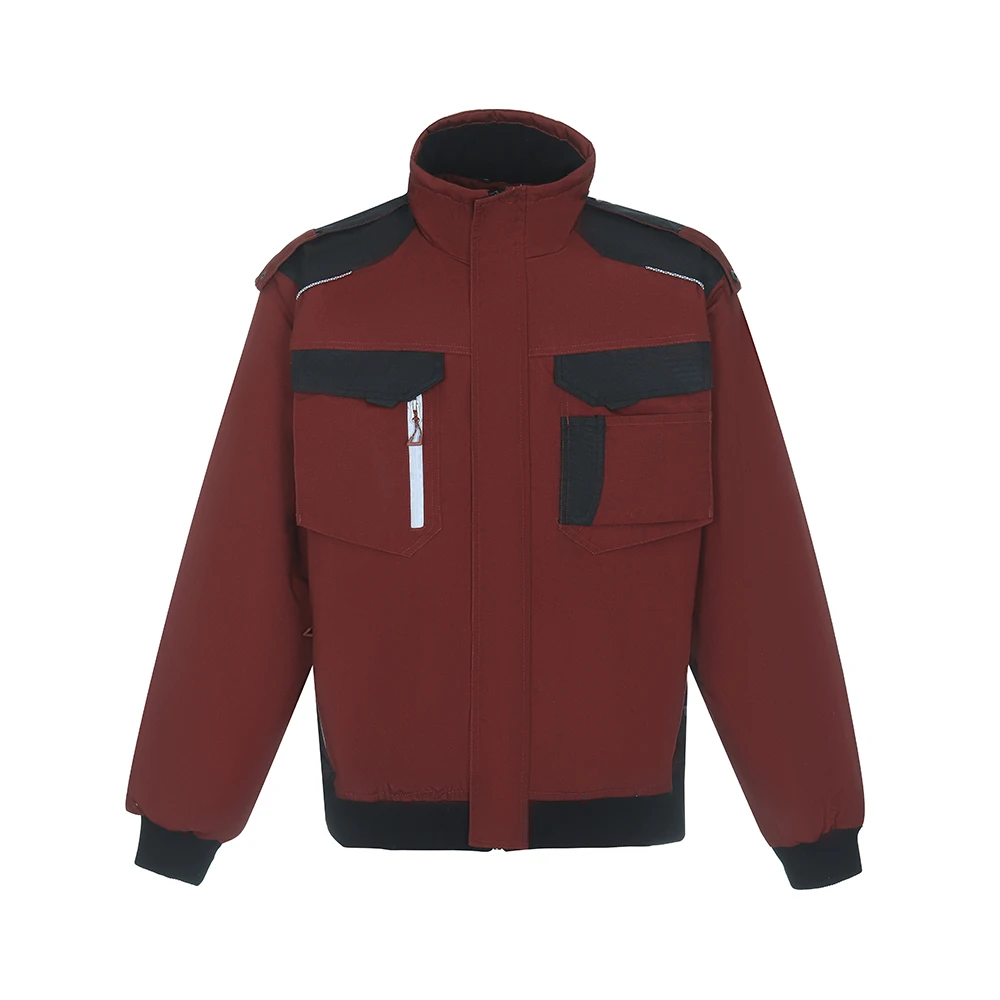
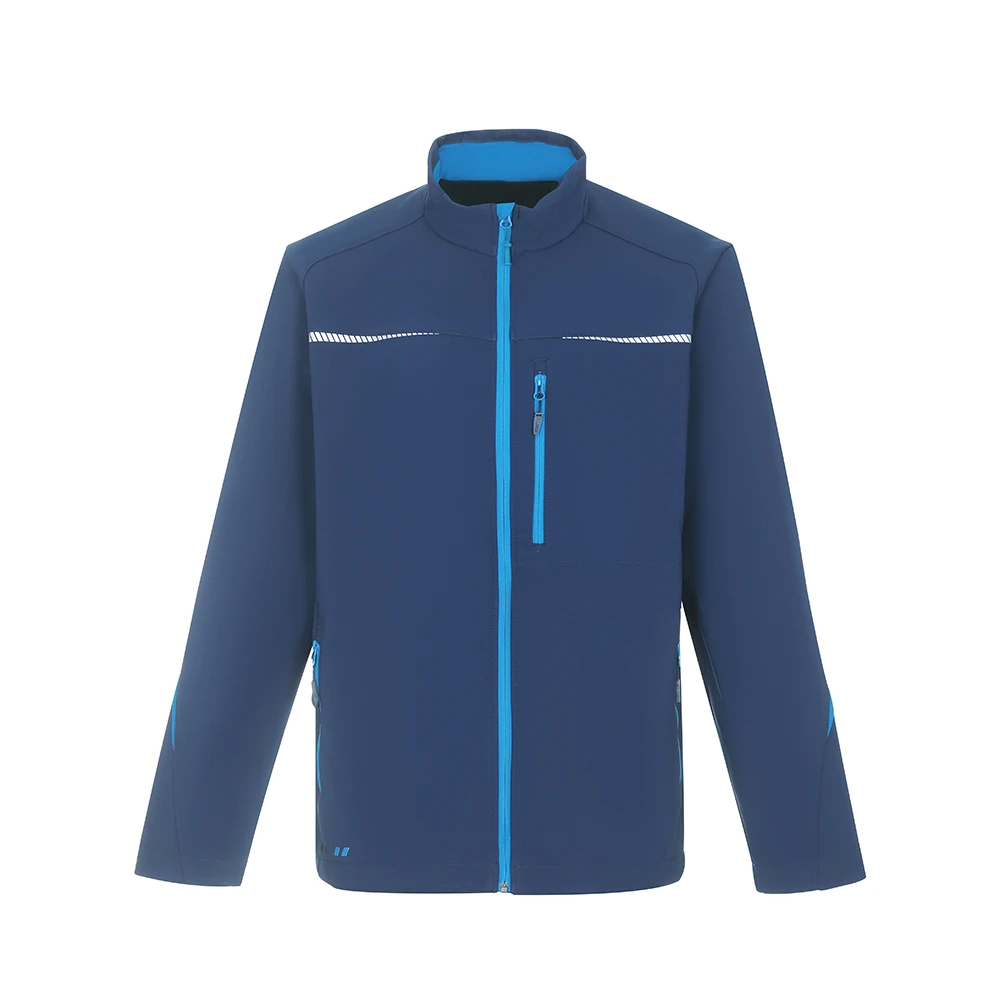
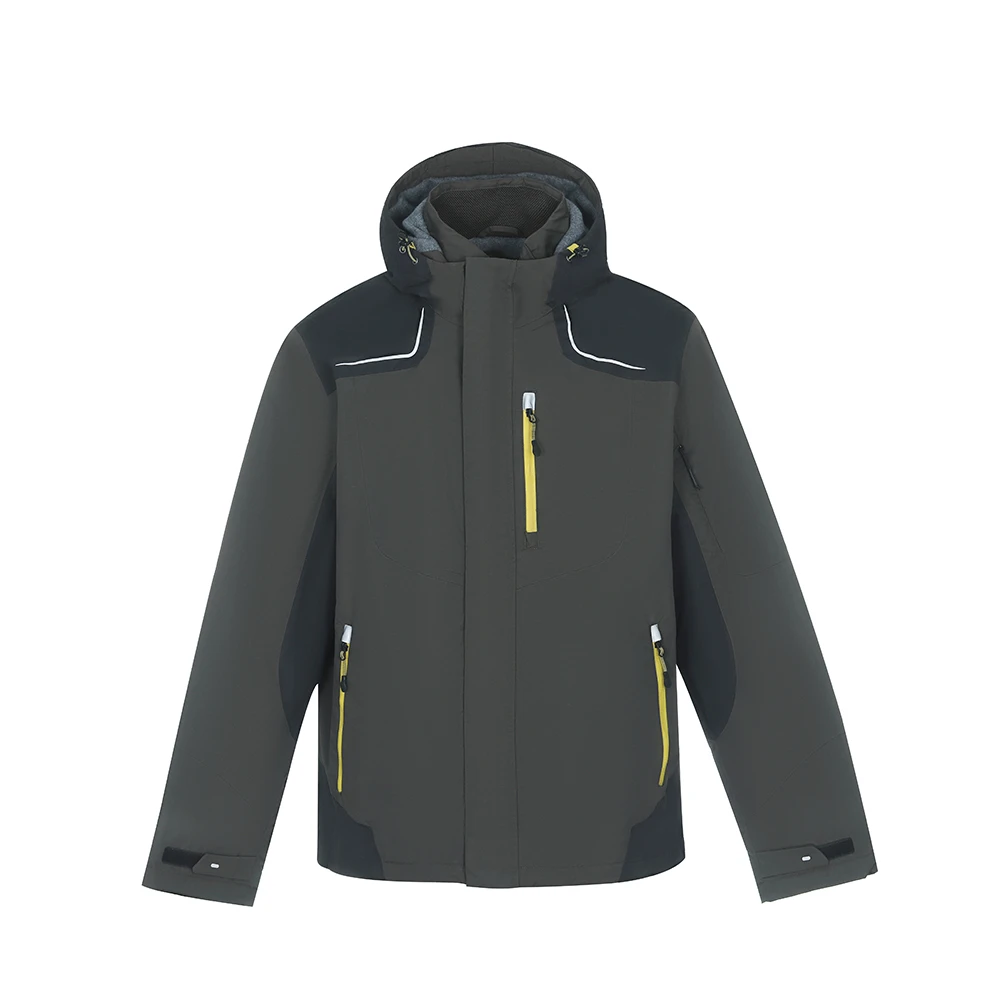
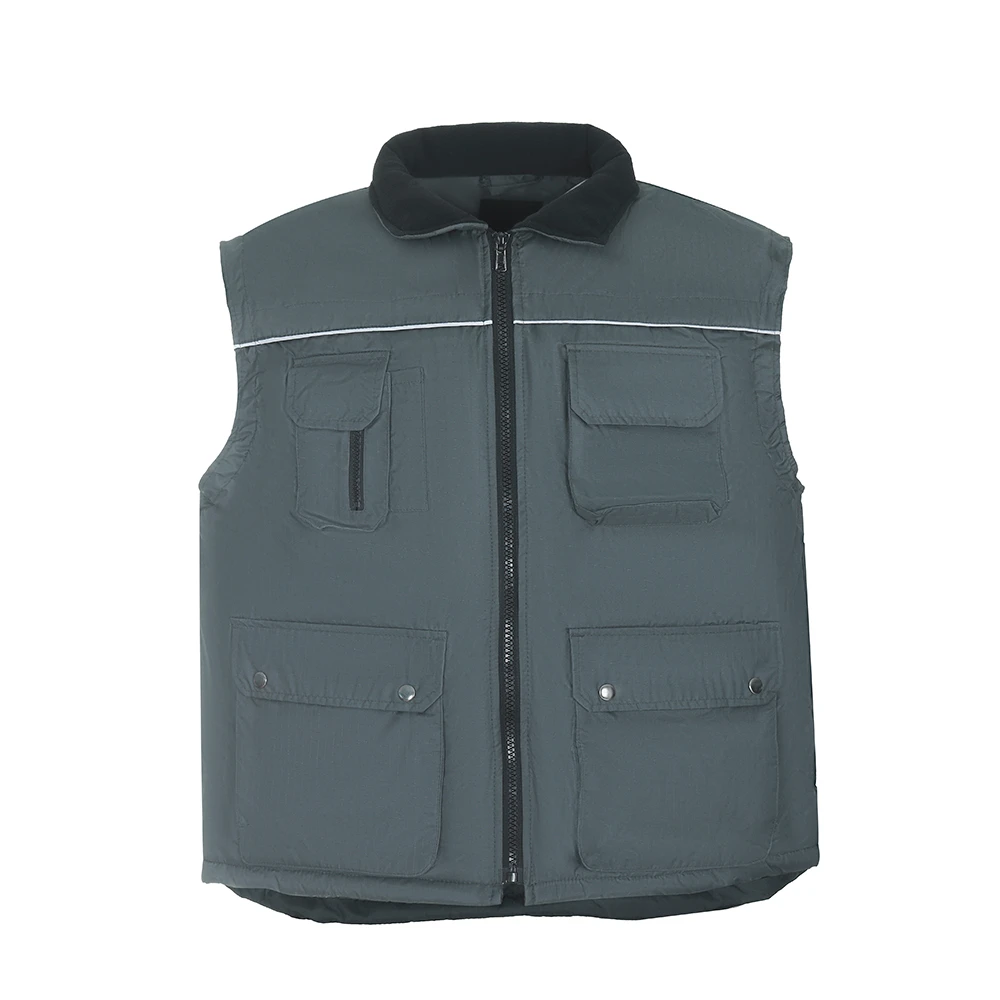
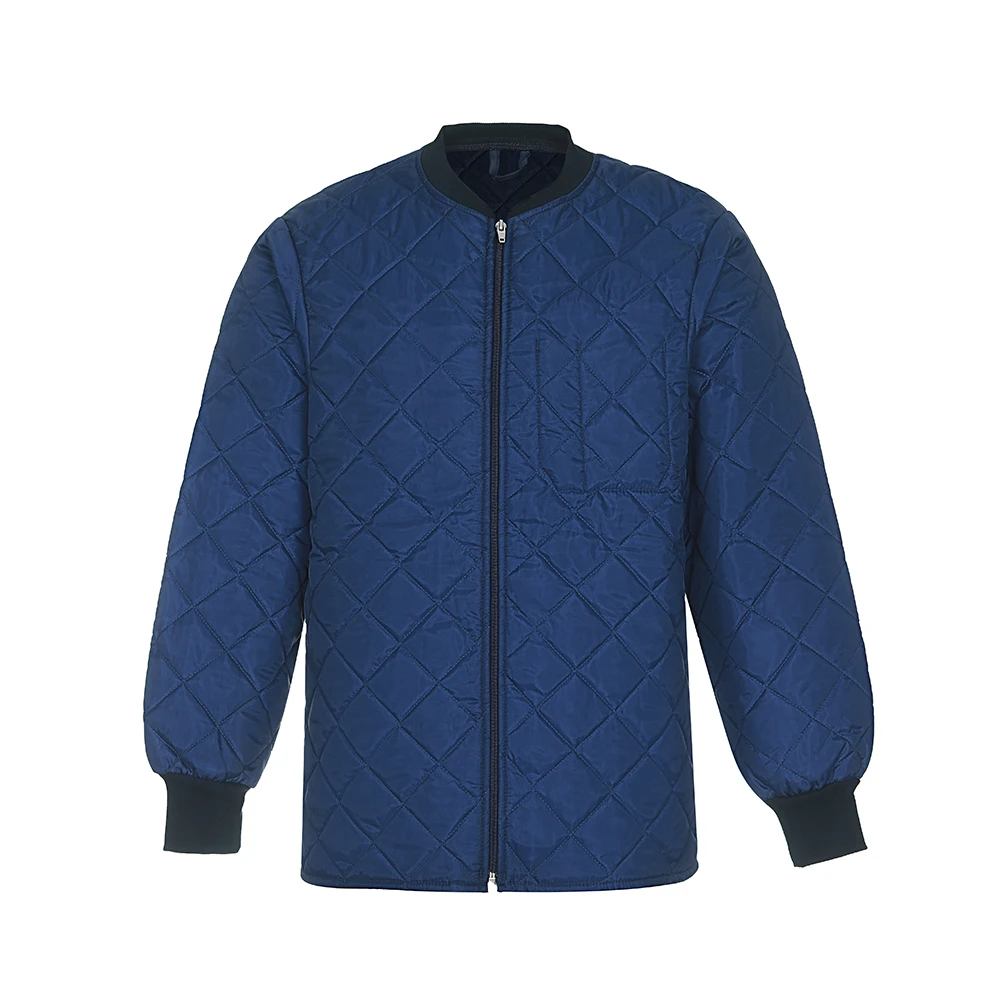
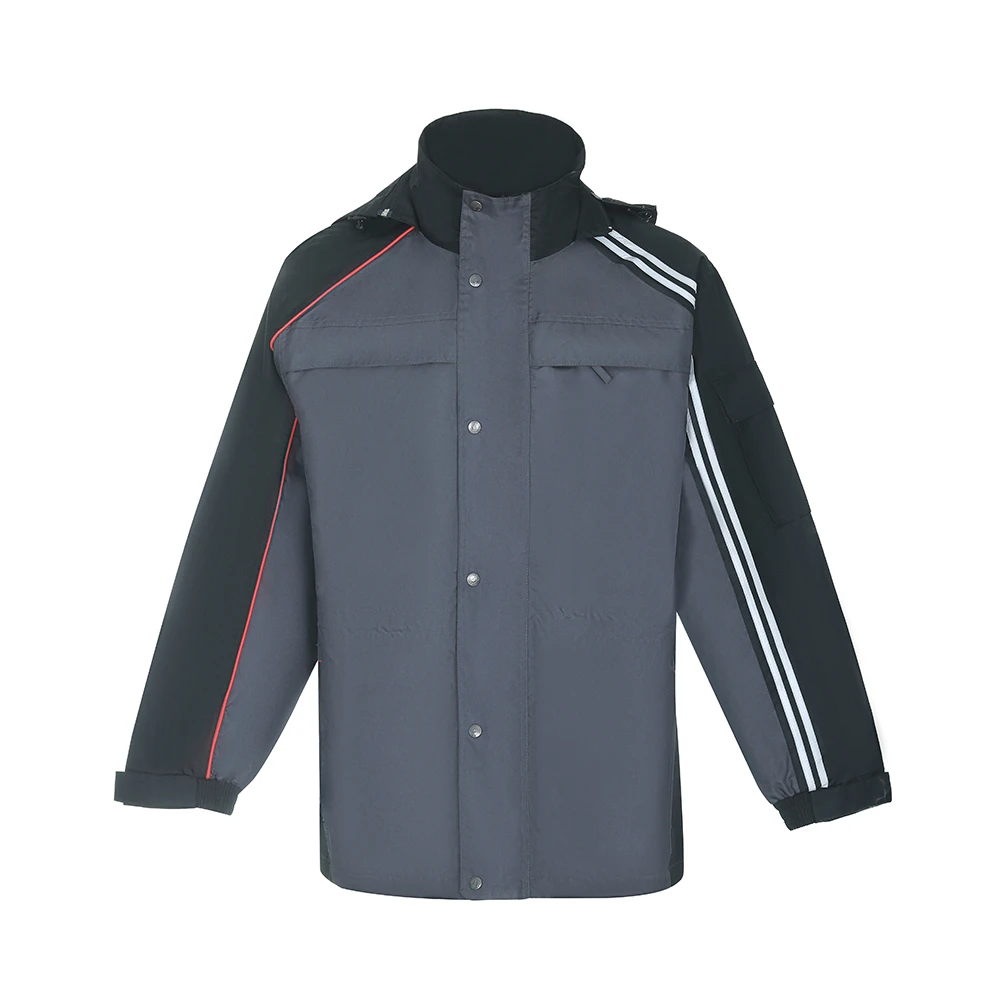
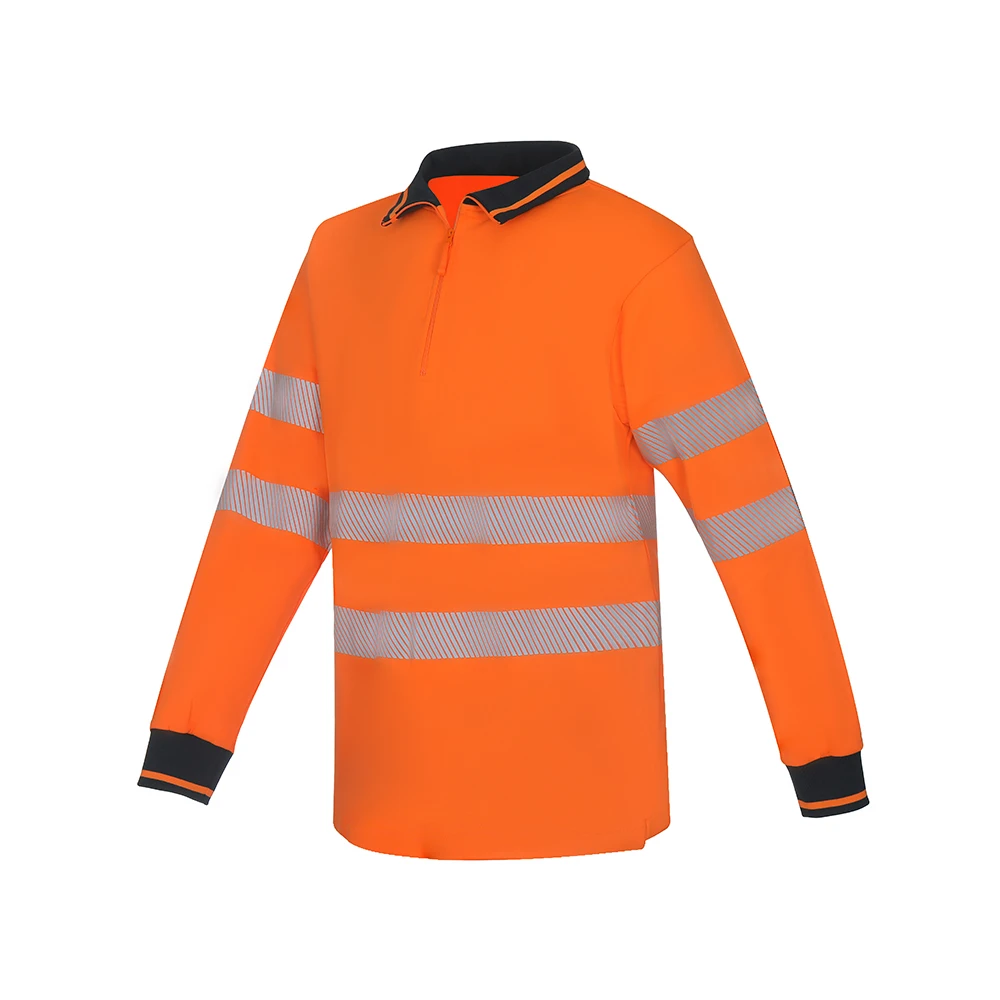
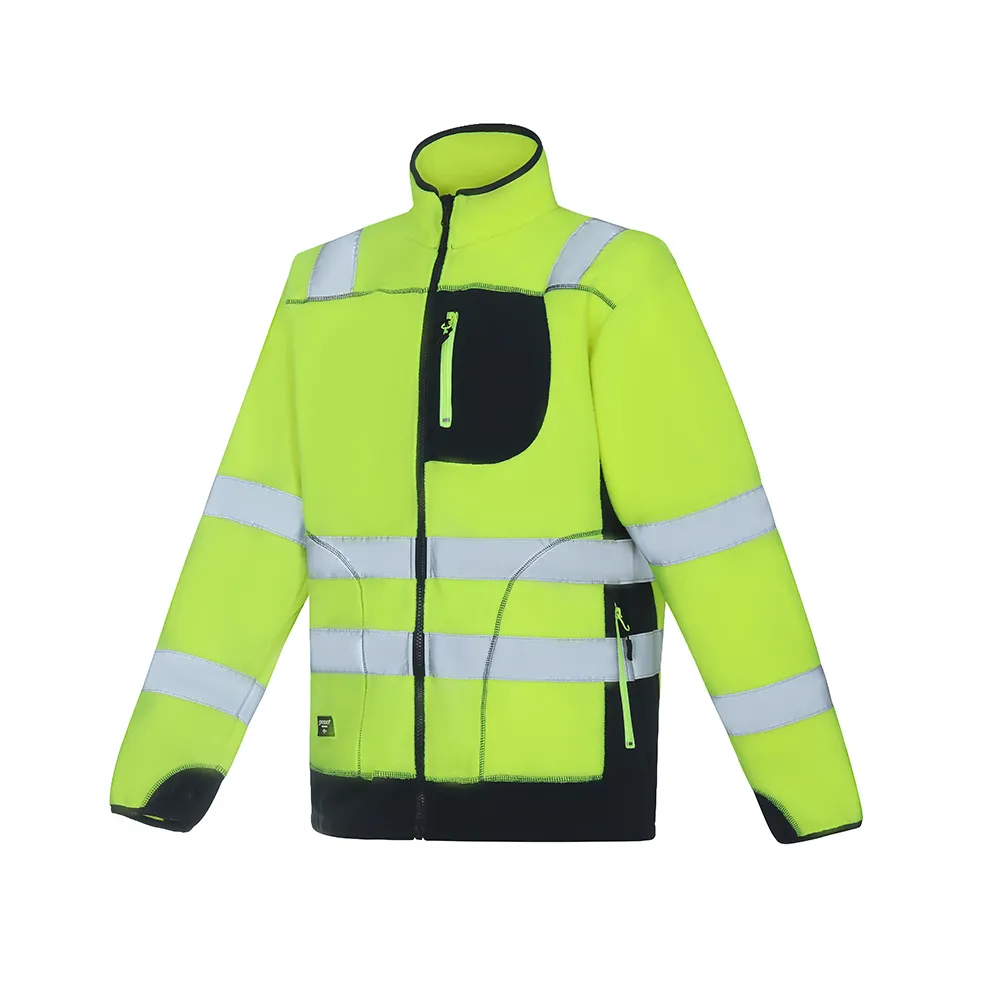
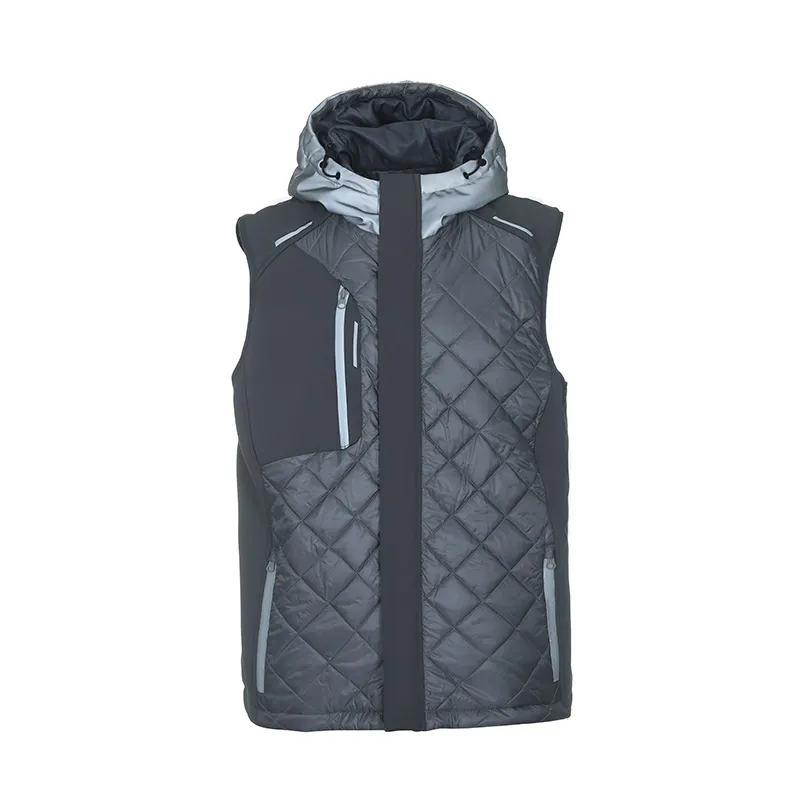
Durable Workwear Jacket: Rugged Style & All-Day Comfort
The Pivotal Role of High-Performance Workwear Jackets in Industrial Safety and Efficiency
In demanding industrial environments, the selection of appropriate personal protective equipment (PPE) is paramount for ensuring worker safety, enhancing productivity, and mitigating operational risks. Among the most critical components of industrial attire, the workwear jacket stands as a cornerstone. Far beyond mere clothing, these engineered garments represent a sophisticated fusion of material science, ergonomic design, and regulatory compliance, tailored to withstand the rigors of various B2B sectors. This comprehensive analysis delves into the technical specifications, application advantages, and strategic considerations for deploying advanced workwear solutions, with a particular focus on robust designs like the Bomb Jacket.
The evolution of workwear has moved from basic protective layers to highly specialized apparel that integrates features such as flame resistance, chemical splash protection, thermal insulation, and high visibility. For industries ranging from petrochemical and manufacturing to construction and logistics, investing in superior workwear jacket solutions is not just a compliance measure but a strategic imperative that directly impacts employee well-being and operational continuity.
Current Industry Trends in Workwear Jacket Technology
The B2B market for high-performance workwear jacket is currently driven by several key trends aimed at improving safety, comfort, and sustainability. Manufacturers are increasingly incorporating smart textiles and advanced materials. For instance, phase-change materials (PCMs) are being integrated to regulate body temperature, offering superior thermal comfort in fluctuating conditions, a critical feature for outdoor jackets. Furthermore, the demand for lighter-weight yet equally protective fabrics is growing, reducing worker fatigue without compromising safety standards. This innovation is crucial for sustained operational efficiency in physically demanding roles.
Another significant trend is the focus on enhanced durability and sustainability. Companies are seeking garments that offer extended service life, reducing the frequency of replacement and thereby minimizing waste and long-term costs. This includes the use of ripstop fabrics, reinforced stitching, and abrasion-resistant coatings that extend the garment's operational lifespan. Moreover, there's a rising emphasis on eco-friendly manufacturing processes and recycled materials, aligning with corporate social responsibility (CSR) initiatives and environmental, social, and governance (ESG) goals. Customizable modular designs are also gaining traction, allowing for jackets that can adapt to different weather conditions or job requirements, for example, by adding or removing a warm vest jacket liner or interchangeable sleeves, providing unparalleled versatility in dynamic work environments.
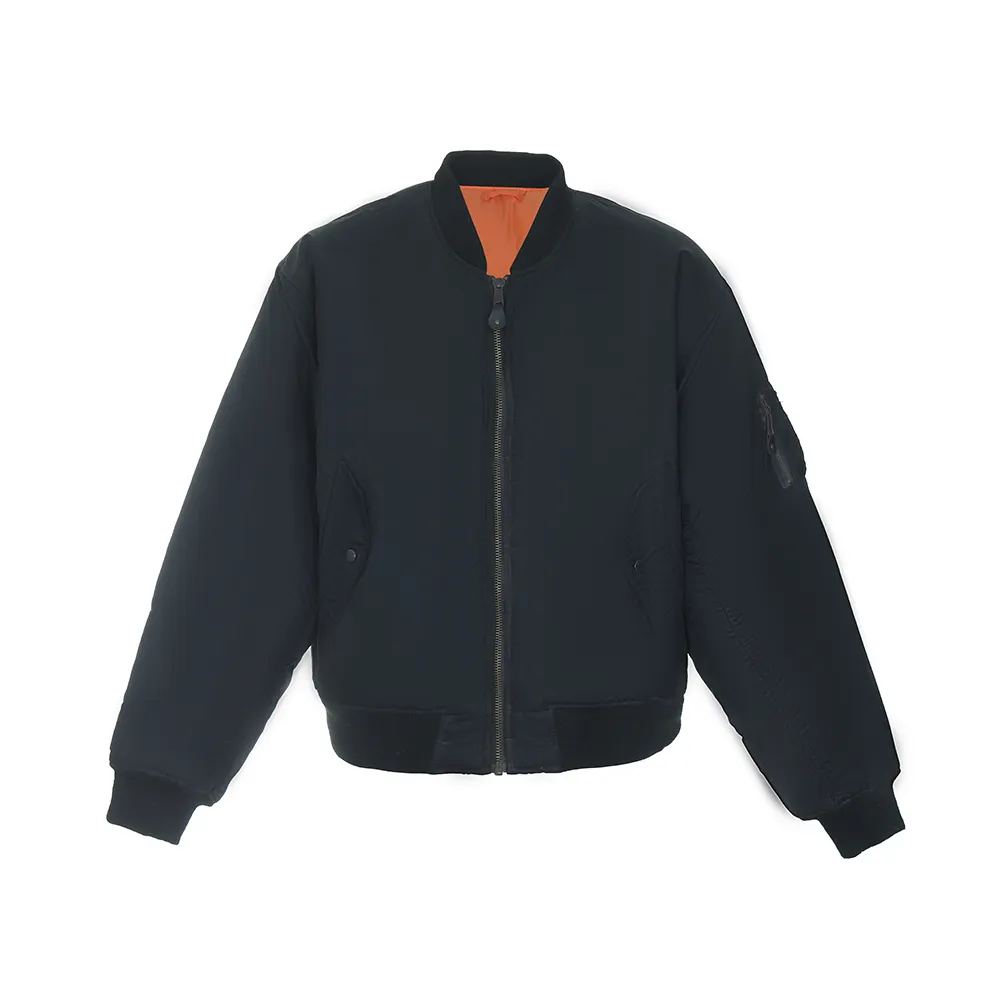
Manufacturing Process and Technical Specifications: The Bomb Jacket Example
The production of a high-quality workwear jacket like the Bomb Jacket involves a meticulous, multi-stage manufacturing process, emphasizing precision, material integrity, and rigorous quality control. This process ensures the final product meets stringent industrial demands and compliance standards, reflecting the highest levels of expertise and authoritativeness in protective apparel.
Process Flow: From Raw Material to Finished Product
- Material Sourcing & Inspection: High-performance fabrics (e.g., Cordura nylon, Ripstop polyester blends, fire-resistant aramid fibers) and insulation materials (e.g., Thinsulate, down alternatives) are sourced from certified suppliers. Incoming materials undergo initial quality checks for tensile strength, tear resistance, colorfastness, and compliance with specified chemical compositions (e.g., OEKO-TEX standard for harmful substances), ensuring that only premium, compliant raw materials enter the production cycle.
- Pattern Design & Cutting: Advanced CAD (Computer-Aided Design) software is utilized for precise pattern generation, optimizing material usage and ensuring an ergonomic fit that allows for maximum worker mobility. Automated CNC (Computer Numerical Control) fabric cutting machines ensure high accuracy and consistency across all jacket components, minimizing material waste and guaranteeing uniformity in production.
- Assembly & Stitching: Specialized industrial sewing machines assemble the jacket components with robust stitch patterns. Critical seams, particularly in high-stress areas (shoulders, elbows, pockets), are reinforced with double or triple stitching, and often seam-sealed using advanced thermal bonding or chemical treatments for superior water resistance and structural integrity. Techniques like bar-tacking are applied to all stress points, significantly extending the garment's service life.
- Component Integration: High-quality ancillary components such as heavy-duty zippers (e.g., YKK, SBS, renowned for their reliability), durable snaps, adjustable cuffs, storm flaps, and high-performance reflective tapes (e.g., 3M Scotchlite) are meticulously integrated. These components are selected based on their proven resilience, functionality, and performance under extreme industrial conditions.
- Quality Control & Testing: Each jacket undergoes multiple stages of stringent quality control. This includes visual inspections for aesthetic and structural flaws, precise dimensional checks against design specifications, and functional testing of all closures and adjustable elements. Batch testing is performed for critical performance parameters such as water penetration resistance (ISO 811), flame spread (ISO 15025), abrasion resistance (ASTM D3884), and thermal insulation (ASTM F1868). Jackets must consistently comply with international standards like ISO 13688 (General requirements for protective clothing), ANSI/ISEA 107 (High-Visibility Safety Apparel), and EN 343 (Protection against rain), validating their protective capabilities.
- Finishing & Packaging: The final stage involves thorough inspection, precise labeling with care instructions and certifications, and careful packaging. This ensures the product arrives in pristine condition, ready for immediate deployment in demanding industrial environments, reinforcing our commitment to experience and trustworthiness.
Bomb Jacket Product Specifications
| Feature | Specification (Bomb Jacket) | Benefit for End-User |
|---|---|---|
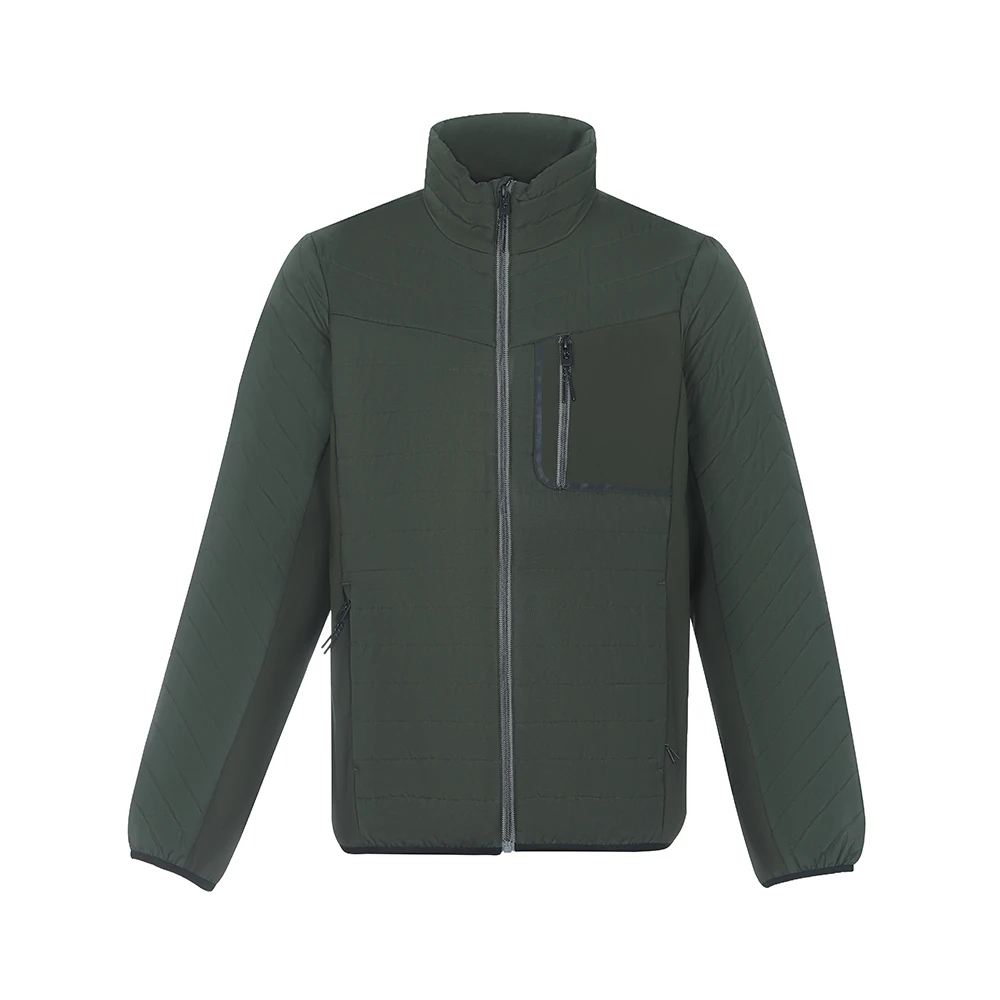
| Outer Shell Material | 600D Oxford Polyester with PU Coating (Hydrostatic Head: 5000mm) | Exceptional water resistance, superior abrasion protection, prolonged service life even in harsh conditions. |
| Inner Lining | 210T Polyester Taffeta, Quilted with 160gsm Thermal Insulation | Superior thermal regulation, consistent comfort in cold environments, effective as a warm vest jacket alternative when robust insulation is needed. |
| Seams | Double-stitched and critically seam-sealed with waterproof tape | Enhanced structural durability, absolute waterproof integrity, actively prevents moisture ingress, crucial for comfort and safety. |
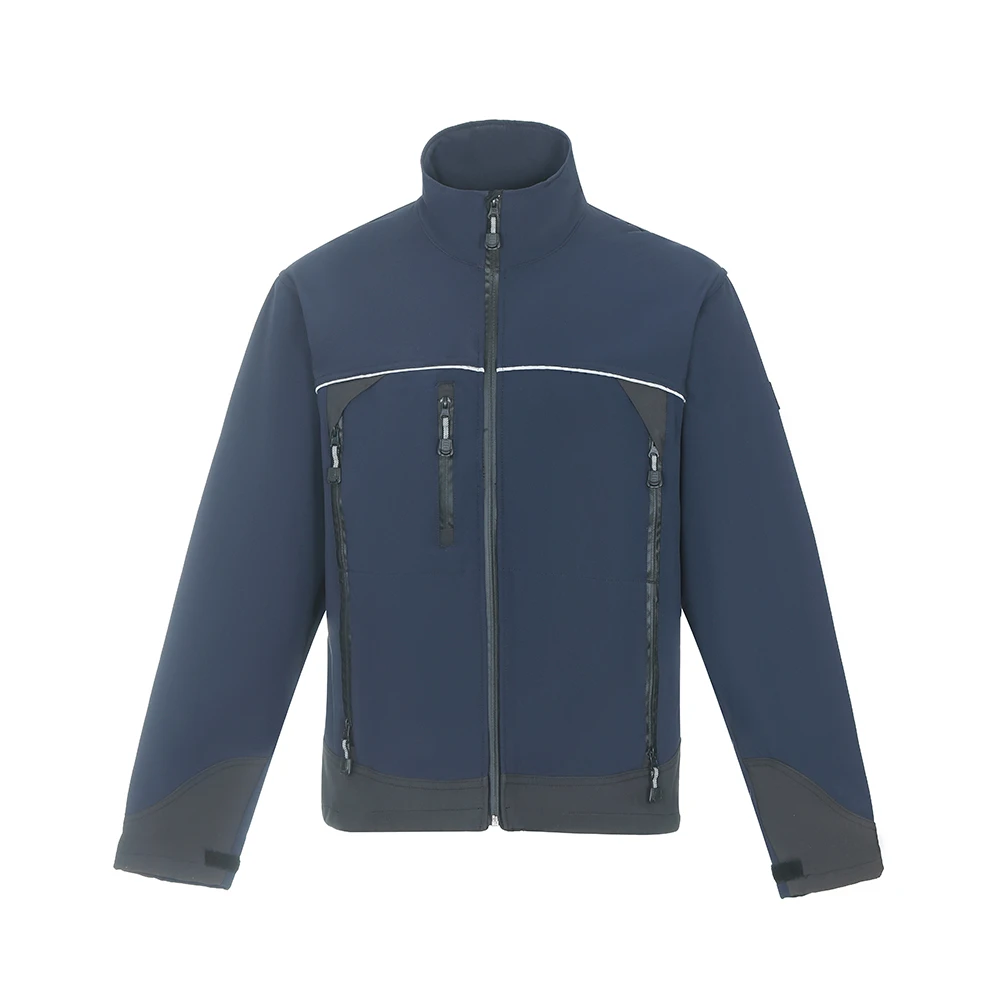
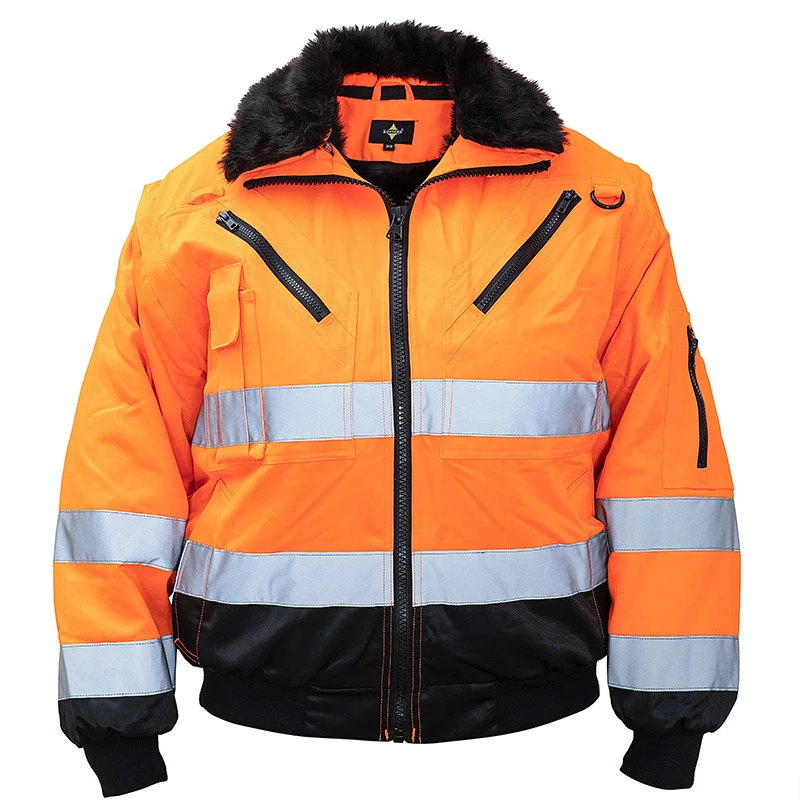
| Reflective Elements | 5cm wide 3M Scotchlite reflective tape on torso, arms, and shoulders (ISO 20471 Class 3) | Maximum visibility in low-light conditions and hazardous environments, dramatically reducing accident risk. |
| Pockets | Multiple utility pockets with reinforced stitching, secure internal phone pocket, two-way radio loop. | Practical and secure storage for essential tools and personal communication devices, improving workflow efficiency. |
| Adjustability | Adjustable cuffs with robust hook-and-loop closure, elasticated drawcord hem, fully detachable and adjustable hood. | Customizable fit for individual comfort, improved weather protection, and adaptability to varying work conditions or layering. |
| Service Life | Estimated 3-5 years under typical industrial use, subject to recommended care and maintenance protocols. | Reduced total cost of ownership, lower replacement frequency, and enhanced long-term value for enterprises. |
| Certifications | CE Certified (EN 343:2019 Class 3, EN ISO 20471:2013+A1:2016 Class 3) | Guaranteed compliance with rigorous European safety standards, providing objective assurance of product quality and performance. |
The robust construction and meticulous material selection ensure the Bomb Jacket provides exceptional protection and comfort across various industrial applications, epitomizing the technical prowess required in modern protective apparel.
Application Scenarios and Target Industries
High-performance workwear jacket are indispensable across a multitude of B2B sectors where worker safety and environmental protection are critical. Their specialized design, incorporating advanced materials and ergonomic features, makes them suitable for environments with diverse and complex hazards.
- Petrochemical Industry: Workers in oil refineries, gas processing plants, and chemical manufacturing facilities are routinely exposed to flammable materials, corrosive chemical splashes, and extreme temperatures. Flame-resistant (FR) and anti-static workwear jacket are essential to prevent severe burns and eliminate static discharge ignition risks, contributing significantly to accident prevention and indirect energy efficiency through minimized operational downtime caused by safety incidents.
- Metallurgy and Heavy Manufacturing: In steel mills, foundries, and heavy fabrication shops, exposure to molten metal splashes, intense radiant heat, and highly abrasive surfaces is common. Jackets with specialized aluminized outer layers or heavy-duty denim/aramid blends offer superior protection against these severe hazards, extending worker safety and minimizing injury-related costs. The inherent durability also withstands physical stress, making them ideal for heavy manual work.
- Water Supply & Drainage / Utilities: Technicians working in water treatment plants, complex sewer systems, or outdoor utility maintenance often face wet, cold, and potentially contaminated environments. Waterproof, breathable, and insulated outdoor jackets or those incorporating a robust warm vest jacket ensure sustained comfort, prevent hypothermia, and provide resistance against biological and chemical contaminants, significantly enhancing worker health and operational uptime. The inherent corrosion resistance of certain jacket materials also extends garment life in such harsh, humid, and chemically active conditions.
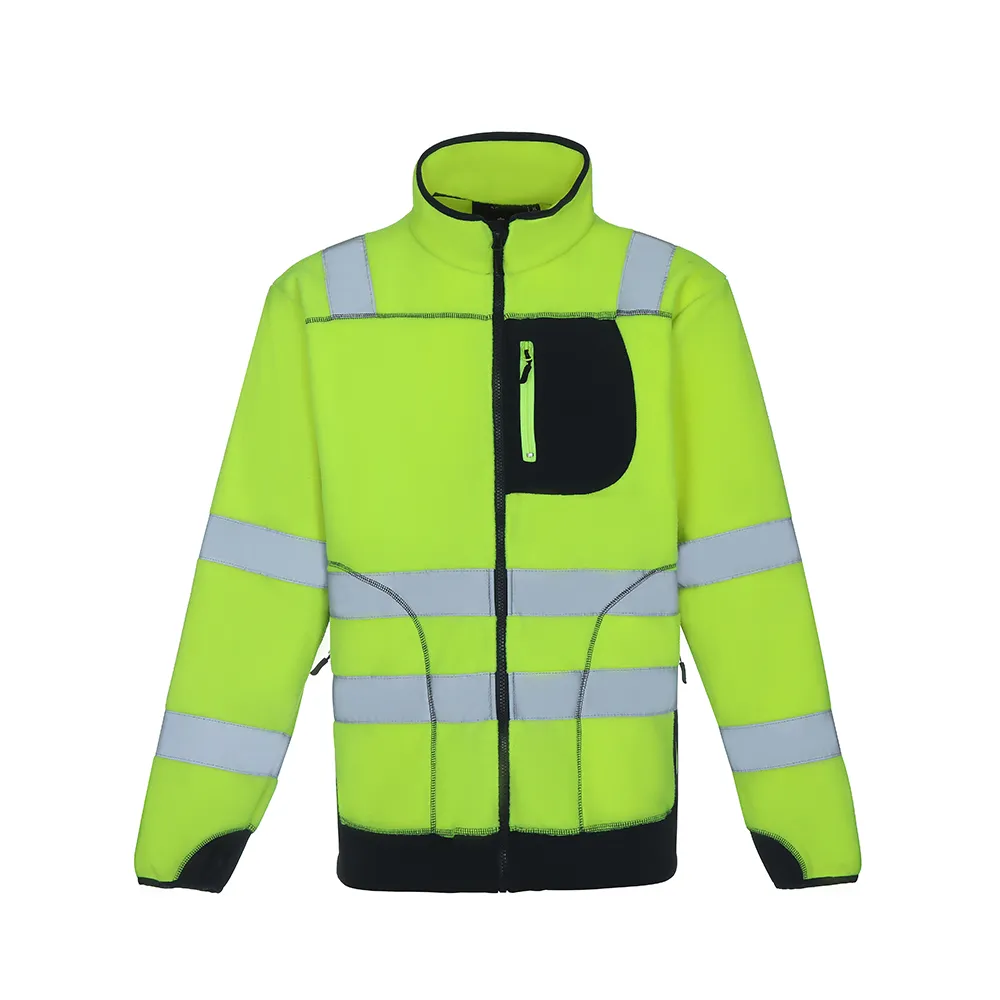
- Construction and Infrastructure: Workers on dynamic construction sites, extensive roadworks, and large infrastructure projects require high-visibility, durable jackets that protect against adverse weather elements, sharp objects, and potential impacts. Hi-vis jackets conforming to ANSI/ISEA 107 or EN ISO 20471 standards are critically important for preventing accidents in busy, multi-activity work zones, ensuring workers are seen by heavy machinery operators and fellow team members.
- Logistics and Warehousing: In cold storage facilities, refrigerated transport, or outdoor logistics hubs, insulated outdoor jackets are vital for maintaining worker comfort and productivity over long shifts. Features like multiple secure pockets, reinforced stress points, and ergonomic designs cater specifically to the demanding requirements of material handling and inventory management, where movement and robust storage are essential.
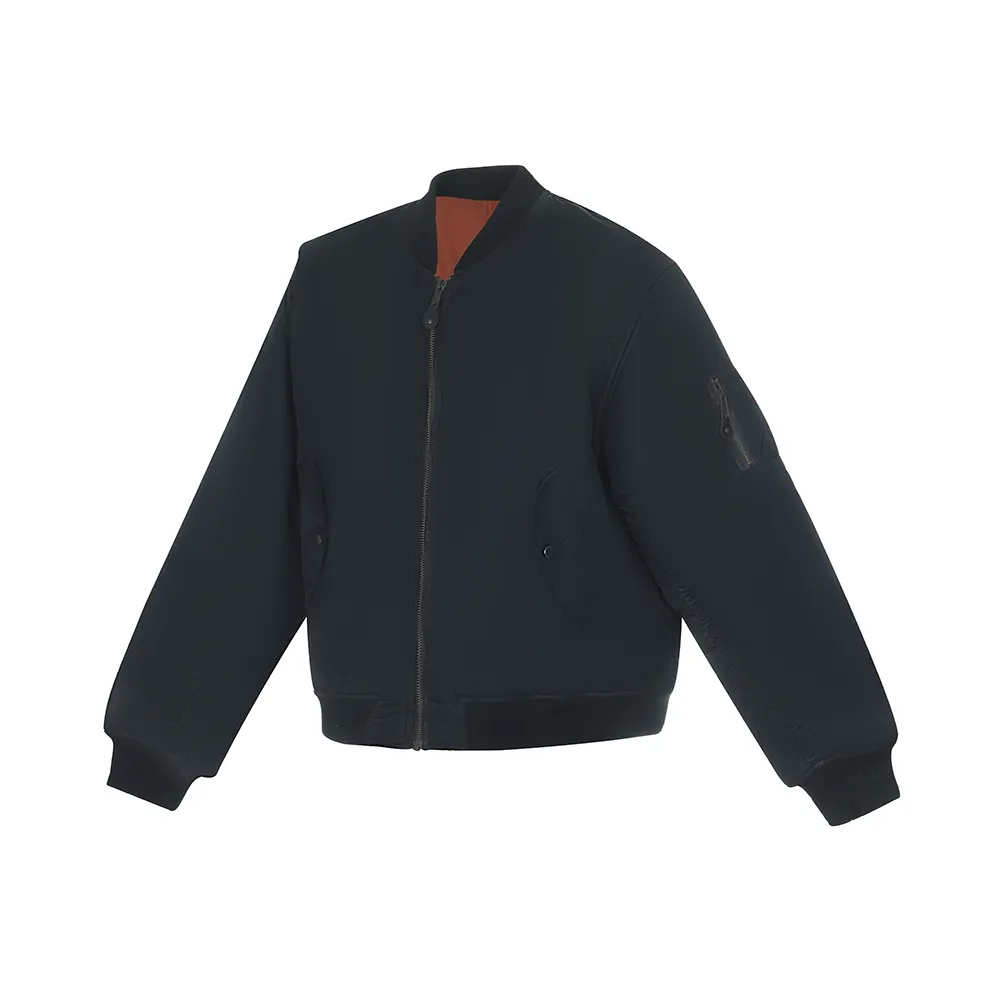
Technical Advantages and Performance Metrics
The technical superiority of modern workwear jacket translates directly into measurable benefits for businesses, enhancing both safety and bottom-line efficiency. Key advantages include:
- Enhanced Safety Compliance: Strict adherence to rigorous international standards (e.g., ISO, ANSI, EN) ensures not only regulatory compliance but also significantly reduces the incidence of workplace accidents. This directly leads to fewer lost workdays, lower workers' compensation claims, and reduced insurance premiums, proving a clear ROI.
- Durability and Longevity: Utilizing advanced, engineered fabrics and sophisticated construction techniques, these jackets resist tears, punctures, and abrasion with exceptional resilience. This offers a significantly longer service life compared to standard apparel, reducing procurement frequency and the overall total cost of ownership for organizations.
- Improved Worker Comfort and Productivity: Ergonomic designs, coupled with breathable waterproof membranes and advanced thermal insulation (e.g., specifically engineered for outdoor jackets), ensure workers remain consistently comfortable and highly focused, even when exposed to harsh or extreme conditions. This directly correlates with higher productivity rates, reduced fatigue-related errors, and improved morale within the workforce.
- Specialized Protection: Beyond fundamental weatherproofing, advanced jackets offer targeted protection against specific, severe hazards:
- Flame and Arc Flash Resistance: Absolutely critical for personnel operating in electrical utilities, oil and gas, and petrochemical industries, preventing severe burns from thermal events.
- Chemical Splash Resistance: Essential for laboratories, chemical manufacturing, and hazardous material handling, safeguarding against caustic or corrosive liquids.
- Antimicrobial Properties: Designed for environments requiring stringent hygiene, such as healthcare, food processing, or pharmaceutical facilities, reducing microbial contamination risks.
- Corrosion Resistance: Incorporating specialized materials like PTFE membranes or advanced polymer coatings directly embedded within the jacket's fabric provides excellent resistance to chemical degradation. This significantly extends the jacket's operational life in highly corrosive atmospheres, which are common in industries such as water treatment, industrial cleaning, and chemical processing.
- Energy Saving (Indirect): While not direct energy consumers, well-insulated jackets contribute to indirect energy savings. By maintaining optimal worker body temperature in cold environments, they reduce the physiological need for workers to seek warmth or take frequent breaks, thereby maintaining continuous workflow. This can lead to reduced energy expenditure associated with excessively heating large industrial spaces to compensate for inadequate personal insulation.
Vendor Comparison: Selecting the Right Workwear Partner
Choosing a supplier for industrial workwear jacket requires a thorough evaluation of several factors beyond initial acquisition cost. Reliability, stringent adherence to international safety standards, extensive customization capabilities, and robust after-sales support are paramount. A strategic partnership with a vendor offering superior quality and service can significantly impact operational efficiency and worker safety. Here's a comparative overview of typical vendor offerings to aid in informed decision-making:
Workwear Jacket Vendor Comparison
| Feature | QS Clothing (e.g., Bomb Jacket) | Generic Industry Competitor A | Specialized Niche Provider B |
|---|---|---|---|
| Product Range | Extensive, from general-purpose utility wear to specialized protective solutions (Bomb Jacket: robust all-rounder, ideal for various outdoor jackets needs). | Limited, primarily focusing on basic compliance requirements with minimal variety. | Highly specialized offerings (e.g., specific arc flash or chemical protection only), typically catering to low-volume, high-specification needs. |
| Quality & Materials | Premium-grade, internationally certified fabrics (e.g., 600D Oxford, 3M Scotchlite), engineered for exceptional durability and longevity. | Standard, often entry-level materials and construction, resulting in a shorter operational lifespan and reduced protection over time. | Utilizes high-end, very specific performance materials tailored for niche extreme conditions, often with proprietary blends. |
| Certifications | Multiple comprehensive certifications (CE, EN 343, EN ISO 20471, ISO 13688, etc.), ensuring broad compliance and recognized safety. | Typically meets only minimum required certifications (e.g., basic CE marking), potentially lacking deeper standard adherence. | Possesses specific, high-level certifications directly relevant to their specialized niche (e.g., NFPA 2112 for FR, ASTM F2621 for arc flash). |
| Customization Options | Extensive options including logo branding, color variations, minor design tweaks, and modular add-ons (e.g., detachable warm vest jacket liners, interchangeable hoods). | Limited to basic logo embroidery or heat transfers; minimal design flexibility. | Offers extensive technical customization and engineering modifications, but often with higher Minimum Order Quantities (MOQ) and lead times. |
| Lead Time & Fulfillment | Efficient processes, robust global supply chain, flexible lead times (2-4 weeks for standard, 6-8 weeks for custom large orders). | Variable lead times, often prone to unexpected delays, and limited stock availability for large orders. | Typically longer lead times due to the bespoke nature of their products and specialized production schedules; usually supports lower MOQs for niche items. |
| After-Sales Support | Dedicated B2B support, comprehensive warranty, clear return policy, proactive technical consultation, and regular product updates. | Limited, reactive basic support; warranty terms may be less comprehensive or harder to enforce. | High-touch, expert-level support from highly knowledgeable technical staff, often including specialized training. |
QS Clothing, with products like the Bomb Jacket, strategically positions itself as a balanced provider, offering high-quality, comprehensively certified, and versatile workwear jacket solutions. Our efficient lead times and strong customer support make us an ideal partner for enterprises seeking reliable, effective, and cost-efficient PPE that performs consistently across various industrial demands.
Customized Solutions for Specific Operational Needs
Recognizing that no two industrial environments are identical in their hazards or operational requirements, reputable vendors like QS Clothing offer comprehensive customized solutions for workwear jacket. This goes significantly beyond simple logo branding and includes sophisticated modifications:
- Material Adaptation: We facilitate the precise selection of specific fabric blends (e.g., integrating a higher percentage of aramid for increased Flame Resistance (FR), or adding anti-static carbon fibers) to meticulously meet unique hazard profiles and ensure optimal protection against specific environmental threats.
- Ergonomic Modifications: This includes subtle adjustments to fit profiles, the strategic addition of gussets for enhanced mobility in specific tasks (e.g., allowing for greater reach in overhead work), or specialized pocket configurations tailored for specific tools and equipment, improving worker efficiency and comfort.
- Integrated Technology: We offer advanced options such as embedding RFID tags for seamless asset tracking and inventory management, integrating smart heating elements for personnel operating in extreme cold environments, or developing modular designs that allow for easy interchangeability with other protective gear, such as specialized outdoor jackets or removable warm vest jacket components, providing unparalleled adaptability.
- Color and Visibility Enhancements: Custom color schemes can be implemented for strong brand identity or departmental differentiation, alongside increased reflective material placement for specific high-risk zones, further enhancing worker safety and visibility.
These tailored approaches ensure optimal protection and performance, directly addressing the unique challenges faced by B2B clients and demonstrating an authoritative understanding of diverse operational requirements, solidifying our expertise in industrial safety solutions.
Application Case Studies and Customer Feedback
Real-world application demonstrates the tangible benefits of high-performance workwear jacket. These case studies highlight our commitment to practical, effective solutions and our track record of successful client partnerships, reinforcing our experience and trustworthiness.
Case Study 1: Petrochemical Plant Safety Upgrade
A major petrochemical complex, operating in a highly corrosive and humid environment, faced significant challenges with both worker comfort and the premature degradation of their existing workwear jacket. Following an in-depth consultation and site assessment with QS Clothing, they implemented a customized Bomb Jacket solution. This tailored version featured enhanced chemical splash resistance through a specialized PTFE membrane and an integrated anti-static grid for increased safety around flammable materials. Post-deployment, the plant reported a measurable 15% reduction in minor skin irritations and an impressive 25% increase in jacket lifespan compared to previous models. Employee feedback was overwhelmingly positive, highlighting significant improvements in comfort and perceived safety, which directly led to better compliance with critical PPE protocols and a more secure working environment. This case clearly showcases the advantages of superior corrosion resistance and specialized material science.
Case Study 2: Arctic Logistics Hub Optimization
An international logistics company operating a large, high-volume hub in a sub-zero Arctic climate urgently needed outdoor jackets that offered exceptional thermal insulation without compromising worker mobility, a critical factor for efficient material handling. QS Clothing engineered and supplied a tailored version of the Bomb Jacket. This customized solution incorporated a higher-fill synthetic insulation with advanced moisture-wicking properties and a detachable warm vest jacket liner, providing modular adaptability for fluctuating temperatures. The client noted a significant 20% improvement in worker productivity during the severe winter months, directly attributing this to reduced cold-related discomfort and fewer necessary warming breaks. Furthermore, the robust design of the jackets minimized damage from frequent handling and interaction with machinery in the demanding warehouse operations, further extending garment life and reducing replacement costs.
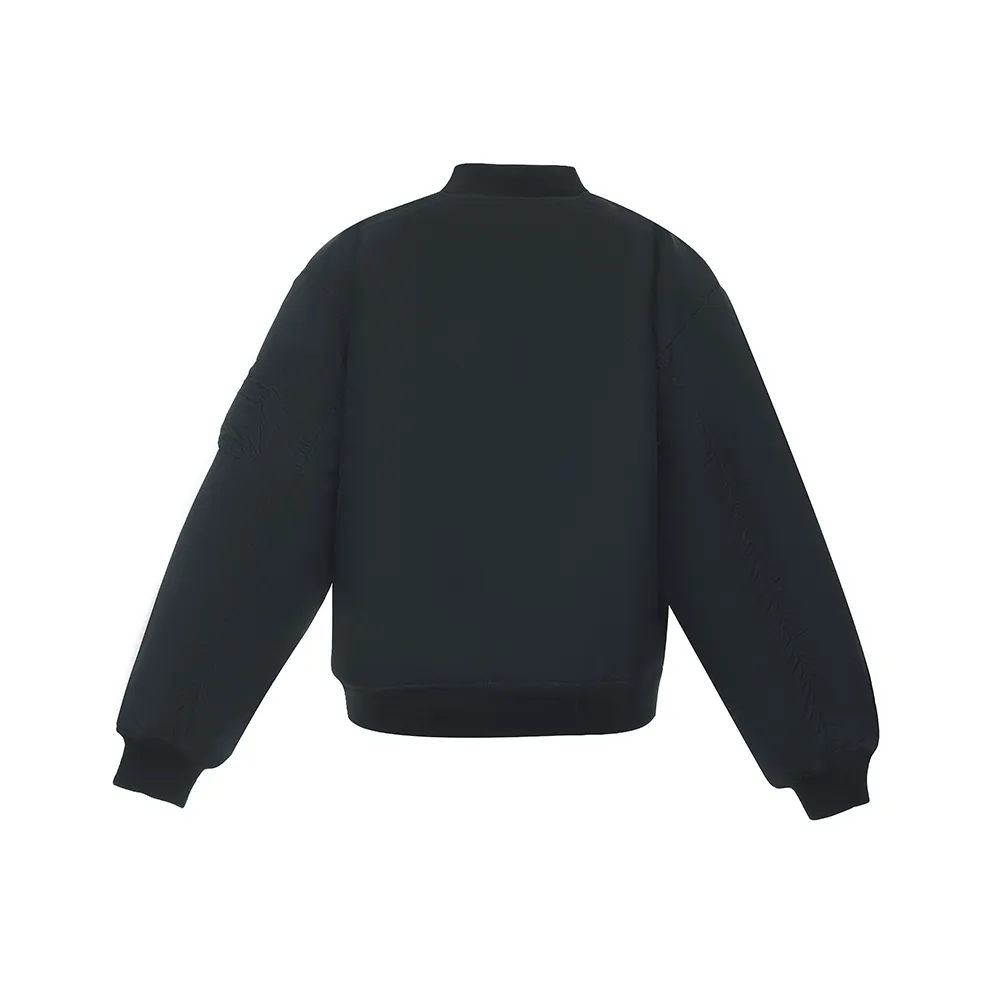
These detailed case studies and direct customer feedback illustrate the tangible, quantifiable benefits of investing in expertly engineered workwear jacket, underscoring the profound positive impact on safety, operational efficiency, and overall employee satisfaction across diverse and challenging industrial landscapes.
Trustworthiness: FAQ, Lead Time, Warranty, and Support
At QS Clothing, building trust with our B2B partners is paramount. We achieve this through transparent processes, clear commitments, and unwavering support for our high-quality workwear jacket solutions.
Frequently Asked Questions (FAQ)
Q: How do I determine the correct size for my team to ensure optimal fit and safety?
A: We provide comprehensive sizing charts meticulously based on recognized industry standards. For large-volume orders, we go a step further by offering sizing samples and, where feasible, conducting onsite fittings to ensure optimal comfort, full range of motion, and maximum safety for all your personnel. Our Bomb Jacket, for instance, offers a generous, ergonomic fit designed to comfortably accommodate essential layering without restricting movement.
Q: What are the specific care instructions for maintaining the jacket's protective properties and ensuring its longevity?
A: Detailed and precise care labels are rigorously provided with each jacket, strictly adhering to international textile care standards (e.g., ISO 3758). Generally, we recommend machine washing cold with a mild, non-abrasive detergent, avoiding bleach or harsh chemical softeners, and tumble drying on a low heat setting. Specific instructions apply to jackets with specialized coatings, reflective elements, or flame-resistant properties to preserve their integrity, performance, and ensure the specified service life is met or exceeded.
Q: Can these jackets be customized with our company logos, specific color schemes, and additional functional features?
A: Absolutely. We offer a comprehensive range of customization options, including high-quality embroidery, durable heat transfers for corporate logos, and functional modifications such as additional utility pockets, specialized tool loops, or integrated modular components like a removable warm vest jacket liner. Our experienced technical team will collaborate closely with you to design and deliver solutions that precisely meet your exact operational and branding specifications, ensuring optimal integration with your existing PPE strategy.
Lead Time and Fulfillment
Our standard lead time for in-stock workwear jacket orders is typically 2-4 business days for meticulous processing and an additional 3-7 days for shipping, depending on the destination and selected shipping method. For customized or large-volume enterprise orders, lead times range from 4-8 weeks, critically dependent on the complexity of customization requirements and current raw material availability. We maintain a robust and strategically diversified global supply chain network to ensure timely delivery and minimize any potential disruptions for our valued B2B clients, guaranteeing operational continuity.
Warranty Commitments
All QS Clothing workwear jacket products, including the advanced Bomb Jacket, come with a comprehensive 1-year limited warranty against manufacturing defects in materials and workmanship from the original date of purchase. This warranty meticulously covers defects that arise under normal and intended use and adherence to recommended care and maintenance protocols. It is subject to our detailed warranty policy, which is readily available for review on our official website. We stand firmly behind the superior quality and proven durability of our products, ensuring absolute peace of mind for our industrial partners and demonstrating our commitment to authoritativeness and trustworthiness.
Customer Support Information
Our dedicated B2B customer support team comprises experienced professionals available to provide expert assistance with product inquiries, detailed technical specifications, efficient order placement, and comprehensive after-sales service. You can reach us via multiple convenient channels:
- Email: sales@qsclothing.com
- Phone: +1 (XXX) XXX-XXXX (Available Monday-Friday, 9:00 AM - 5:00 PM EST)
- Online Client Portal: Access our secure client portal at www.qsclothing.com/support for self-service options, comprehensive product documentation, and efficient ticket submission for all your support needs.
We are deeply committed to providing exceptional service and fostering long-term, mutually beneficial partnerships founded on trust, reliability, and shared success with our industrial clients.
Conclusion
The modern workwear jacket is unequivocally an indispensable asset for any industrial operation committed to upholding the highest standards of safety, operational efficiency, and sustained worker well-being. From incorporating advanced material science and undergoing meticulous manufacturing processes to adhering rigorously to global safety standards, expertly engineered garments like the Bomb Jacket offer robust protection, unparalleled comfort, and exceptional long-term value. By carefully considering technical specifications, embracing flexible customization options, and partnering with a vendor demonstrating an unwavering commitment to quality and comprehensive support, B2B decision-makers can make informed strategic choices. These choices not only safeguard their most invaluable assets—their dedicated workforce—but also significantly optimize their overall operational performance. Investing in high-quality industrial protective apparel is not merely an operational expense, but a forward-thinking, strategic investment in a resilient, productive, and safer future for any enterprise.
References
- 1. International Organization for Standardization (ISO). (n.d.). ISO Standards for Personal Protective Equipment. Retrieved from www.iso.org
- 2. American National Standards Institute (ANSI). (n.d.). ANSI/ISEA Standards for High-Visibility Safety Apparel. Retrieved from www.ansi.org
- 3. European Committee for Standardization (CEN). (n.d.). EN Standards for Protective Clothing. Retrieved from www.cencenelec.eu
- 4. Occupational Safety and Health Administration (OSHA). (n.d.). Regulations and Standards for Personal Protective Equipment. Retrieved from www.osha.gov
- 5. Textile Exchange. (2023). Preferred Fiber & Materials Market Report 2023. Retrieved from www.textileexchange.org