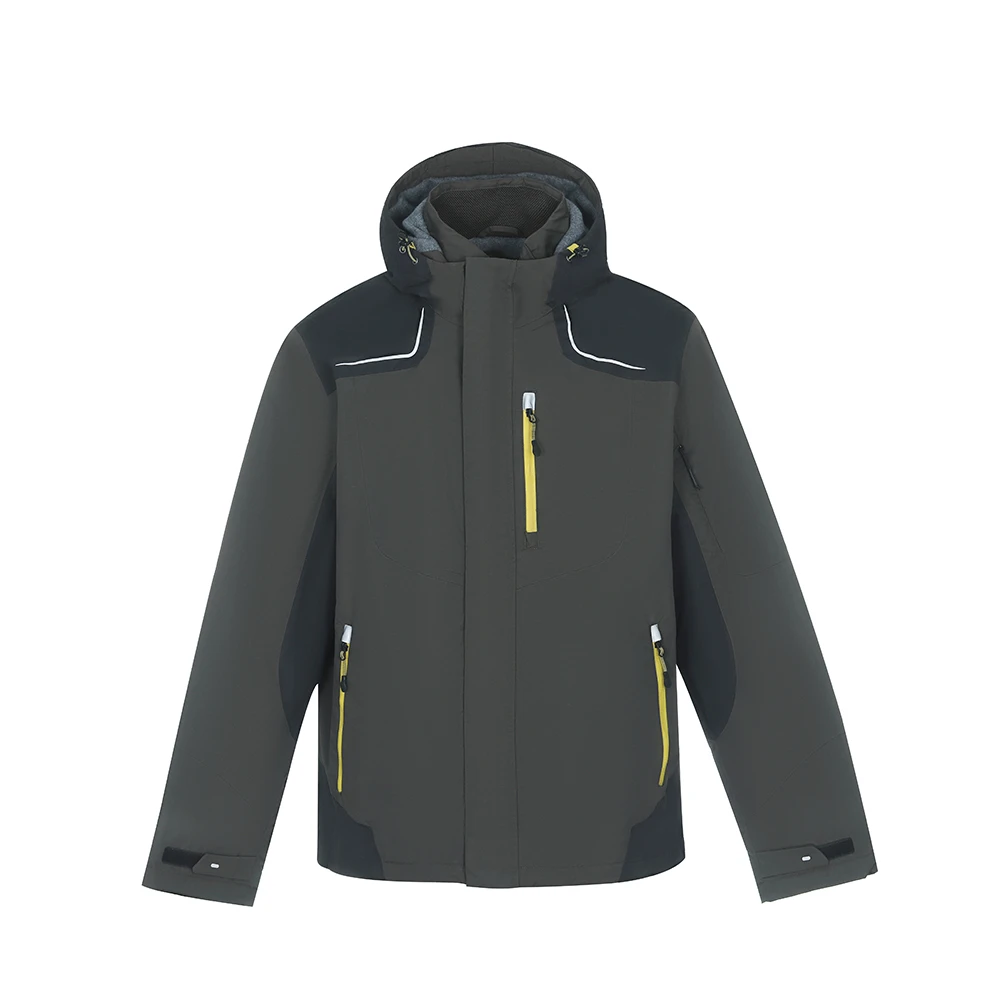
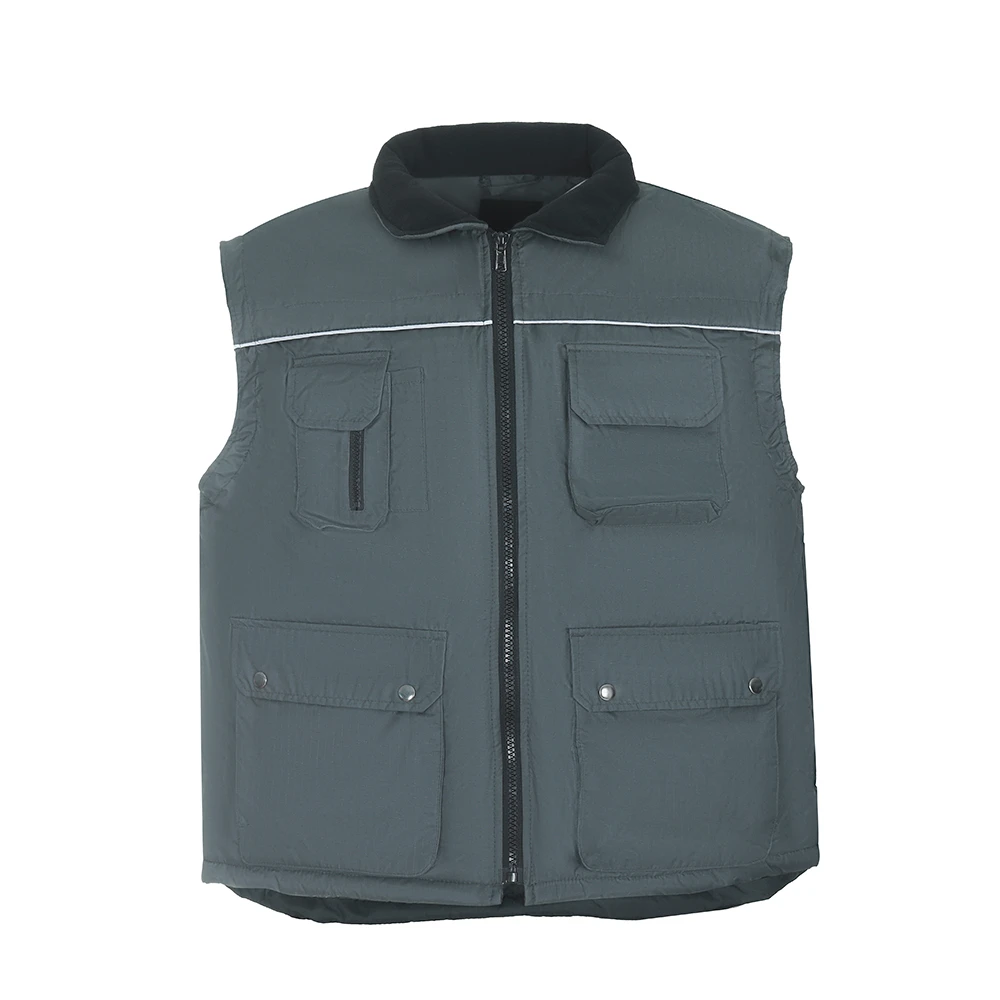
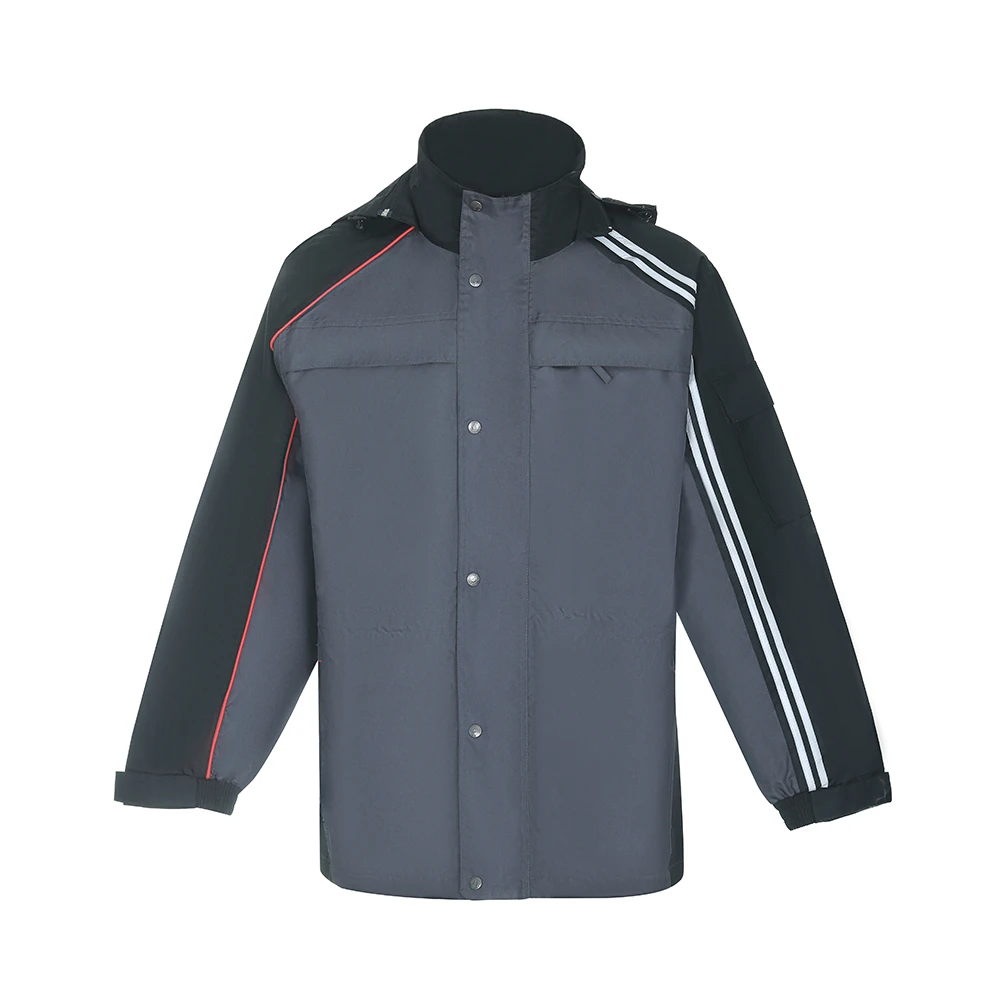
Why Hi Vis Fleece Jackets Are Essential for Workplace Safety
Workplace safety is a top priority across industries such as construction, logistics, transportation, and utilities. While helmets, gloves, and boots are commonly emphasized, high-visibility clothing plays an equally critical role in preventing accidents. Among the many options available, the hi vis fleece jacket stands out as a practical and essential piece of personal protective equipment (PPE), especially in cold and low-light working environments.
This article explores why hi vis fleece jackets are indispensable for workplace safety, how they enhance visibility, and what makes them a smart investment for both employers and workers.
The Importance of Visibility in Hazardous Work Environments
In many job sites, especially those involving heavy machinery or vehicle traffic, visibility can mean the difference between safety and serious accidents. Workers often operate in environments with limited lighting, such as early mornings, late evenings, or poor weather conditions like fog, rain, and snow.
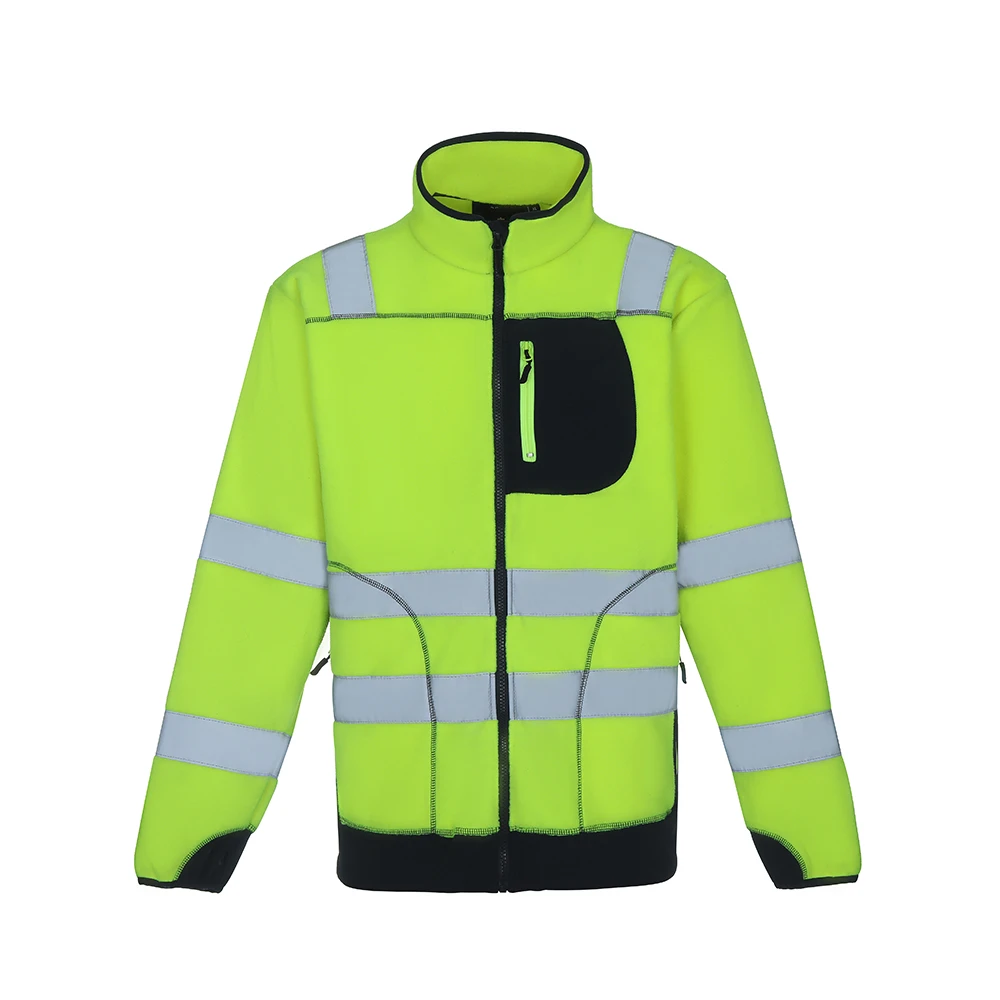
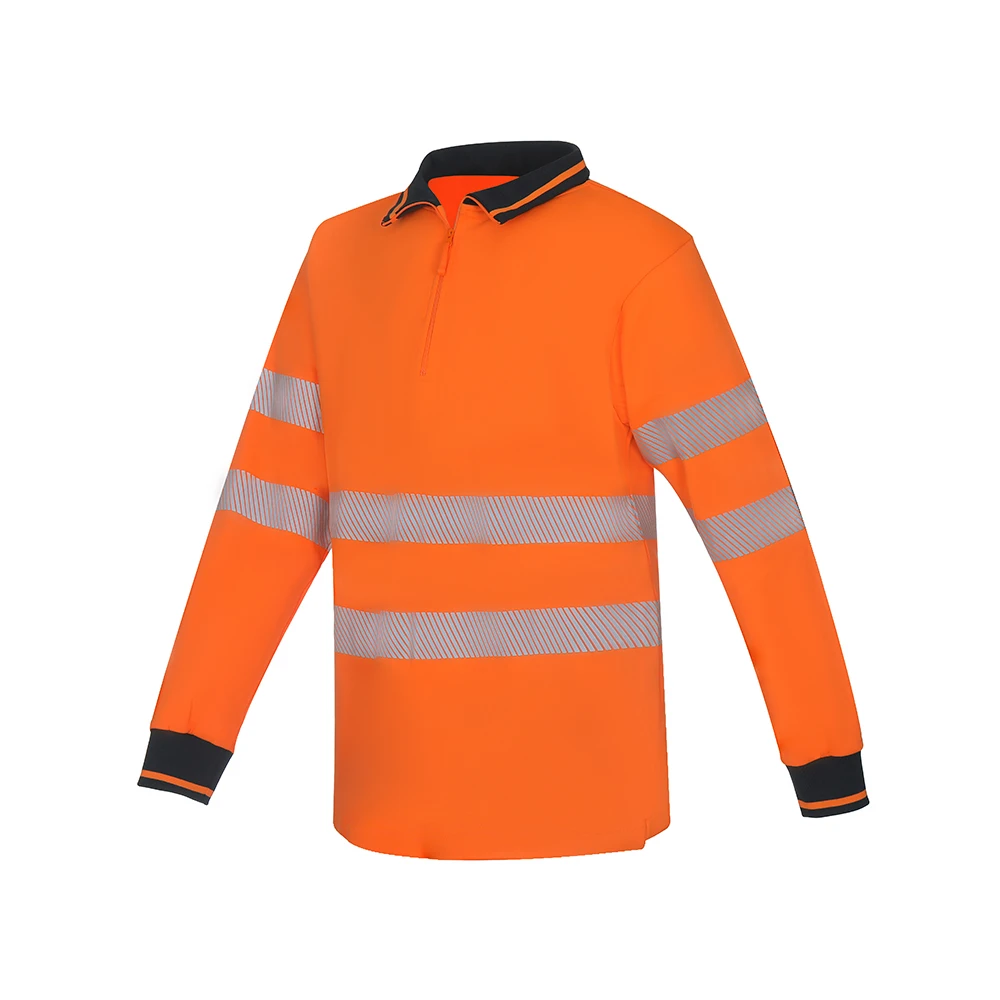
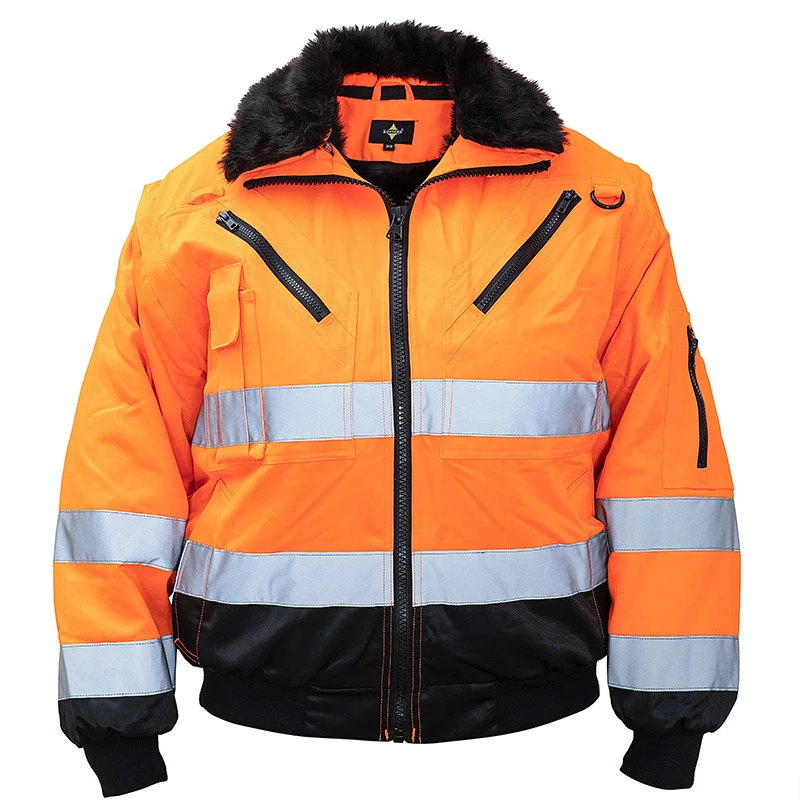
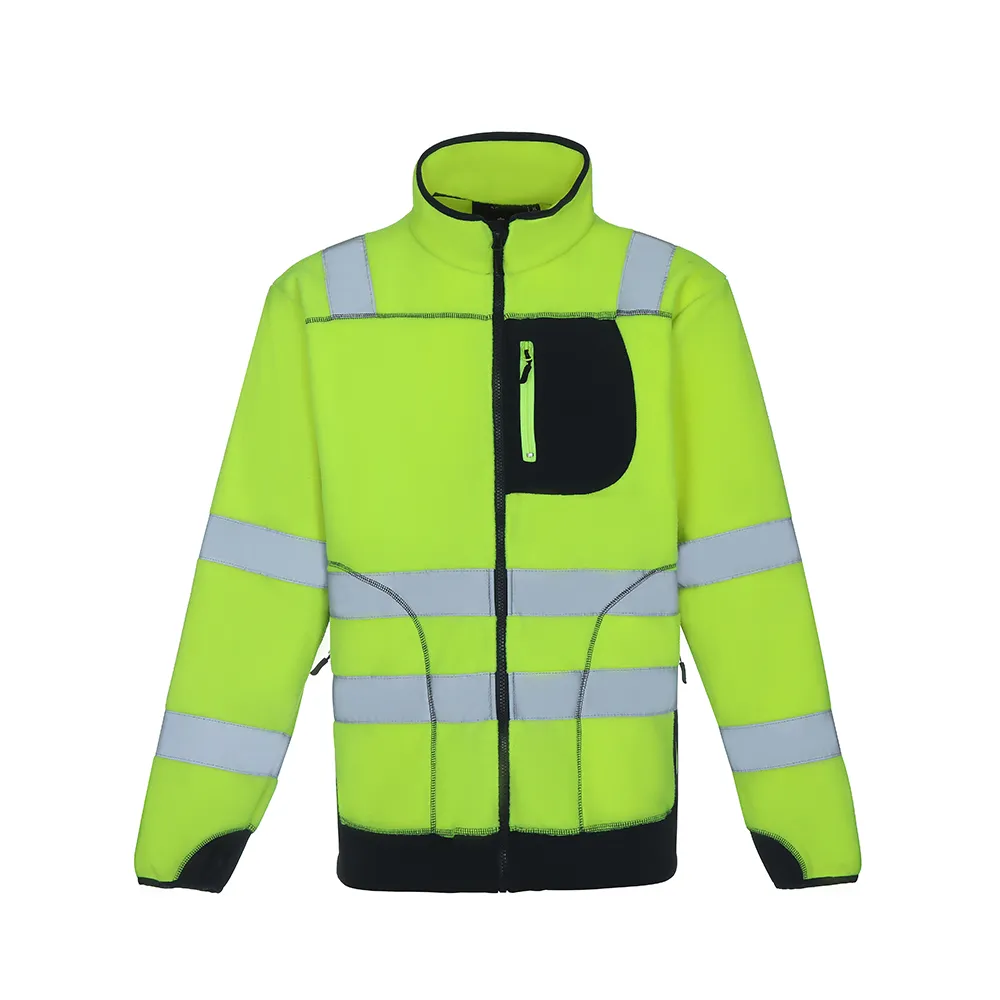
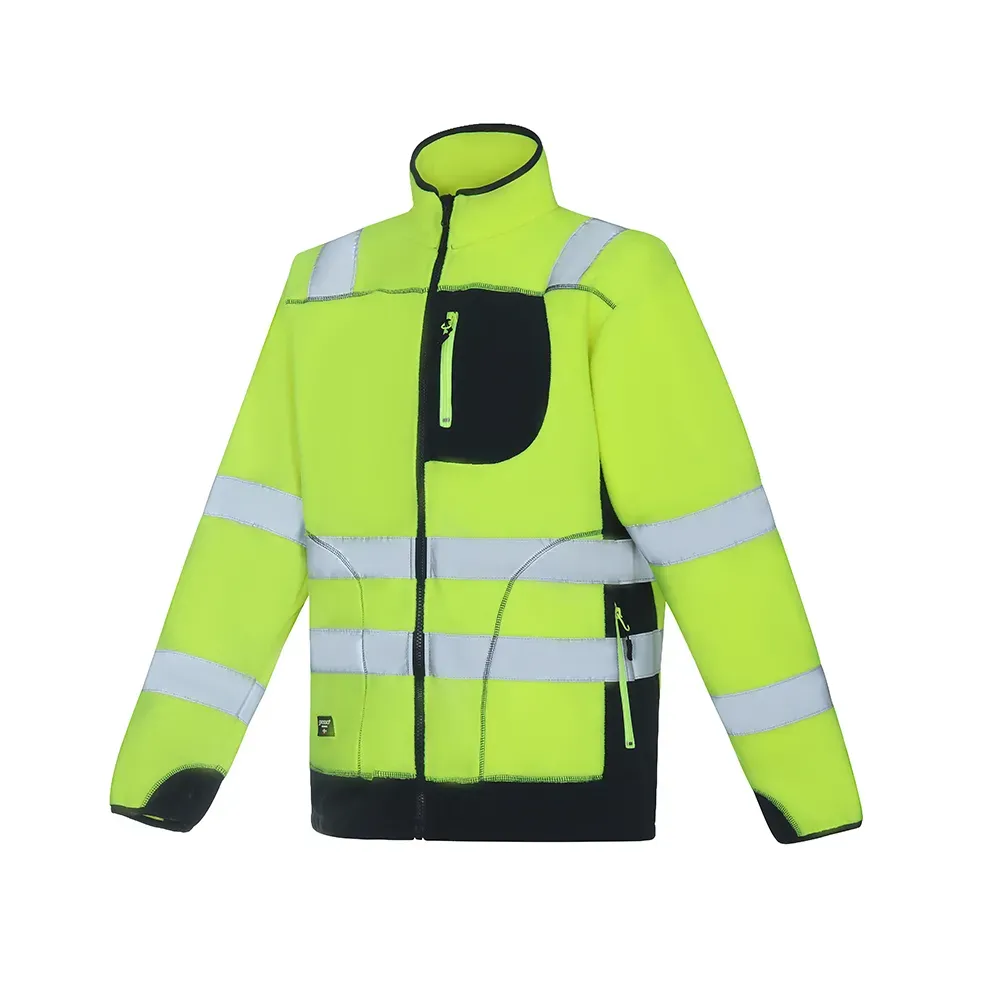
Hi vis fleece jackets are designed using fluorescent colors like neon yellow, orange, or lime, combined with reflective tape that enhances visibility from a distance. These materials reflect light from headlights or worksite lighting, making the wearer easily noticeable even in low-light situations.
By increasing worker visibility, these jackets significantly reduce the risk of collisions, helping operators and drivers identify personnel quickly and react in time.
Why Fleece Material Matters for Safety
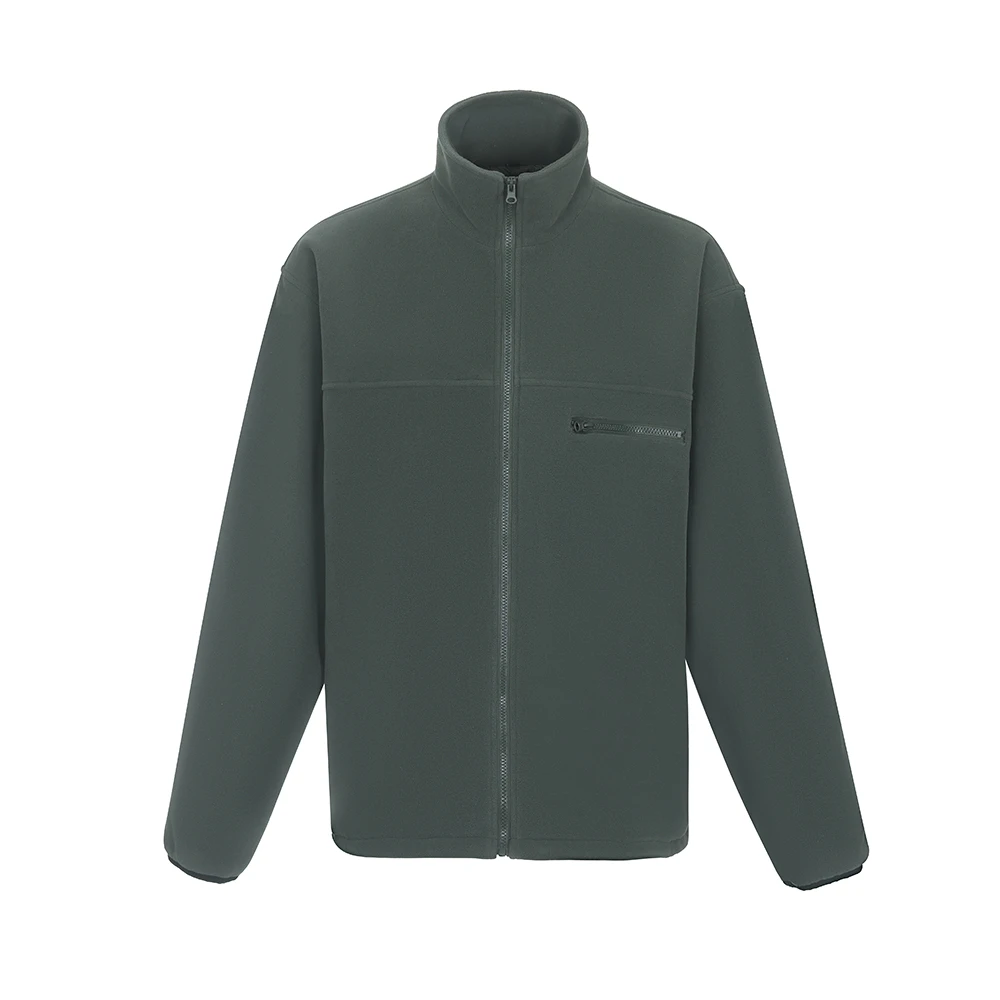
Unlike standard high-visibility vests or lightweight jackets, fleece jackets provide thermal insulation, making them ideal for cold weather conditions. Cold environments can negatively affect worker performance, leading to slower reaction times, fatigue, and decreased concentration.
A hi vis fleece jacket helps maintain body warmth, allowing workers to stay comfortable and focused throughout their shifts. This is especially important for outdoor workers exposed to wind and low temperatures for extended periods.
Additionally, fleece material is lightweight and breathable, ensuring that workers do not feel restricted while performing physical tasks. The balance between warmth and comfort contributes directly to safer working conditions.
Compliance with Safety Standards
Hi vis fleece jackets are often manufactured to meet internationally recognized safety standards such as ANSI/ISEA 107 in the United States and EN ISO 20471 in Europe. These standards define requirements for visibility, including the amount of reflective material and the brightness of fluorescent fabrics.
Depending on the level of risk in the work environment, jackets may fall into different classes (Class 1, 2, or 3). For example, workers on highways or in high-speed traffic zones typically require higher-class garments with more reflective coverage.
Using compliant hi vis fleece jackets ensures that companies meet regulatory requirements while providing employees with reliable protection. Non-compliance can lead to safety violations, increased accident risks, and potential legal consequences.
Enhanced Protection in Cold and Harsh Weather
Weather conditions play a significant role in workplace safety. Rain, wind, and cold temperatures can create hazardous conditions that increase the likelihood of accidents.
Hi vis fleece jackets offer an added layer of protection by combining visibility with insulation. Many designs include wind-resistant outer layers and moisture-wicking inner fabrics that help regulate body temperature. Some models also feature water-resistant coatings, making them suitable for light rain conditions.
By keeping workers warm and dry, these jackets help maintain productivity and reduce the risk of weather-related health issues such as hypothermia or muscle stiffness.
Versatility Across Multiple Industries
One of the key advantages of hi vis fleece jackets is their versatility. They are widely used across various industries, including:
- Construction and roadwork
- Warehousing and logistics
- Railway and airport operations
- Utility maintenance and field services
In each of these environments, workers face different types of risks, but visibility remains a constant safety requirement. Hi vis fleece jackets adapt well to different roles, providing both protection and practicality.
Many designs also include functional features such as zippered pockets, adjustable cuffs, and reinforced stitching, making them suitable for daily use in demanding conditions.
Comfort and Mobility Improve Worker Performance
Safety is not just about protection—it is also about ensuring that workers can perform their tasks efficiently. Bulky or uncomfortable clothing can restrict movement and lead to fatigue or improper handling of tools and equipment.
Hi vis fleece jackets are designed with flexibility in mind. The soft and stretchable fabric allows for a full range of motion, enabling workers to bend, lift, and move freely. This improved mobility reduces the risk of strain injuries and enhances overall productivity.
Comfortable workers are more alert, more focused, and less likely to make mistakes, which directly contributes to a safer workplace.
Cost-Effective Safety Investment for Employers
From a business perspective, investing in hi vis fleece jackets is a cost-effective way to improve workplace safety. Compared to the potential costs of workplace accidents—such as medical expenses, downtime, and legal liabilities—the price of high-quality safety apparel is relatively low.
Durable construction and long-lasting materials mean that these jackets can withstand frequent use and washing without losing their effectiveness. This makes them a practical long-term investment for companies aiming to maintain high safety standards.
Additionally, providing proper PPE can improve employee morale and demonstrate a company’s commitment to worker well-being, which can enhance retention and overall job satisfaction.
Conclusion
Hi vis fleece jackets are more than just workwear—they are a critical component of workplace safety. By combining high visibility with thermal protection, durability, and comfort, they address multiple safety challenges faced by workers in demanding environments.
Whether in construction zones, logistics operations, or outdoor maintenance work, these jackets help prevent accidents, improve performance, and ensure compliance with safety standards. For both employers and employees, investing in hi vis fleece jackets is a smart and necessary step toward creating a safer and more efficient workplace.
❓ FAQs About Hi Vis Fleece Jackets
1️⃣ What is a hi vis fleece jacket used for?
A hi vis fleece jacket is used to improve worker visibility while providing warmth in cold environments. It is commonly worn in industries such as construction, roadwork, logistics, and transportation where both safety and comfort are essential. The combination of bright fluorescent colors and reflective strips ensures workers remain visible in low-light or high-risk conditions.
2️⃣ Are hi vis fleece jackets suitable for winter work?
Yes, hi vis fleece jackets are ideal for winter work. The fleece material provides insulation to retain body heat, helping workers stay warm in cold temperatures. Many designs also include wind-resistant features, making them suitable for outdoor environments where weather conditions can be harsh.
3️⃣ Do hi vis fleece jackets meet safety standards?
Most hi vis fleece jackets are designed to comply with safety standards such as ANSI/ISEA 107 and EN ISO 20471. These standards ensure that the jacket provides adequate visibility through fluorescent fabrics and reflective tape. The level of compliance depends on the jacket’s classification (Class 1, 2, or 3) based on the work environment.
4️⃣ Can hi vis fleece jackets be worn in the rain?
Hi vis fleece jackets are generally not fully waterproof, but many are water-resistant. They can handle light rain or moisture, but for heavy rain conditions, it is recommended to wear a waterproof outer layer over the fleece jacket for better protection.
5️⃣ How do you clean a hi vis fleece jacket?
Hi vis fleece jackets should be machine washed using mild detergent and cold or warm water. Avoid using bleach or fabric softeners, as these can damage the reflective strips and reduce visibility. It is also best to air dry or use low heat to maintain the fabric’s performance and lifespan.
6️⃣ What is the difference between a hi vis fleece jacket and a softshell jacket?
A hi vis fleece jacket focuses on warmth and comfort, using soft insulating material. A hi vis softshell jacket, on the other hand, offers better wind and water resistance with a more structured outer layer. Fleece is ideal for cold and dry conditions, while softshell is better for windy or slightly wet environments.