Hi Vis Clothing Guide: When Is Hi Vis Required?
High visibility (hi vis) clothing is an essential part of workplace safety in many industries. It is designed to make workers more visible in both daylight and low-light conditions, reducing the risk of accidents in hazardous environments. But a common question for employers and workers is: when is hi vis required?
This guide explains the situations where hi vis clothing is necessary, the safety standards involved, and how to choose the right type of hi vis gear for different job roles.
What Is Hi Vis Clothing?
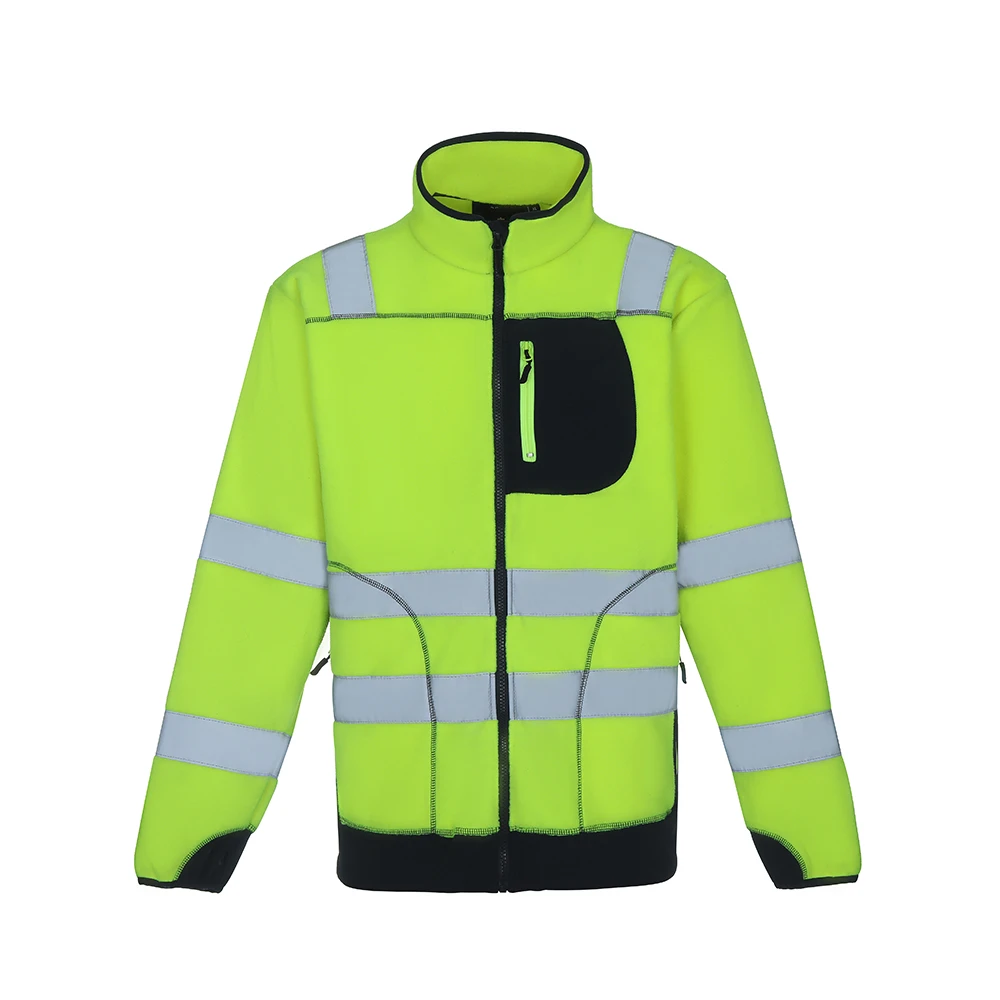
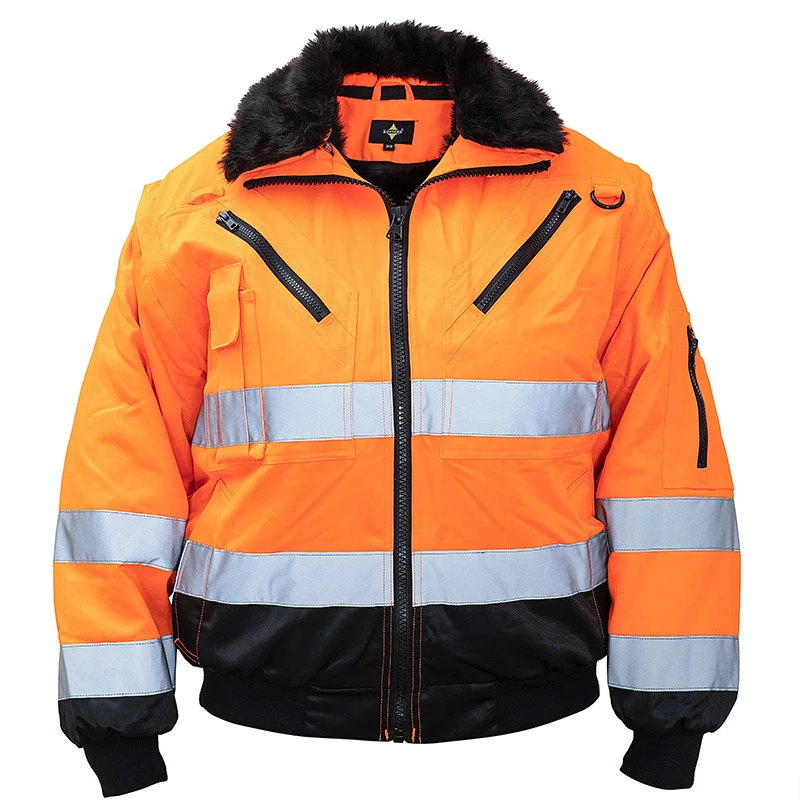
Hi vis clothing refers to garments made with fluorescent colors such as yellow, orange, or green, combined with reflective strips that enhance visibility. These materials are designed to catch attention in both daylight and nighttime conditions.
The main purpose of hi vis clothing is simple:
👉 to ensure workers are seen clearly by drivers, machinery operators, and coworkers in high-risk environments.
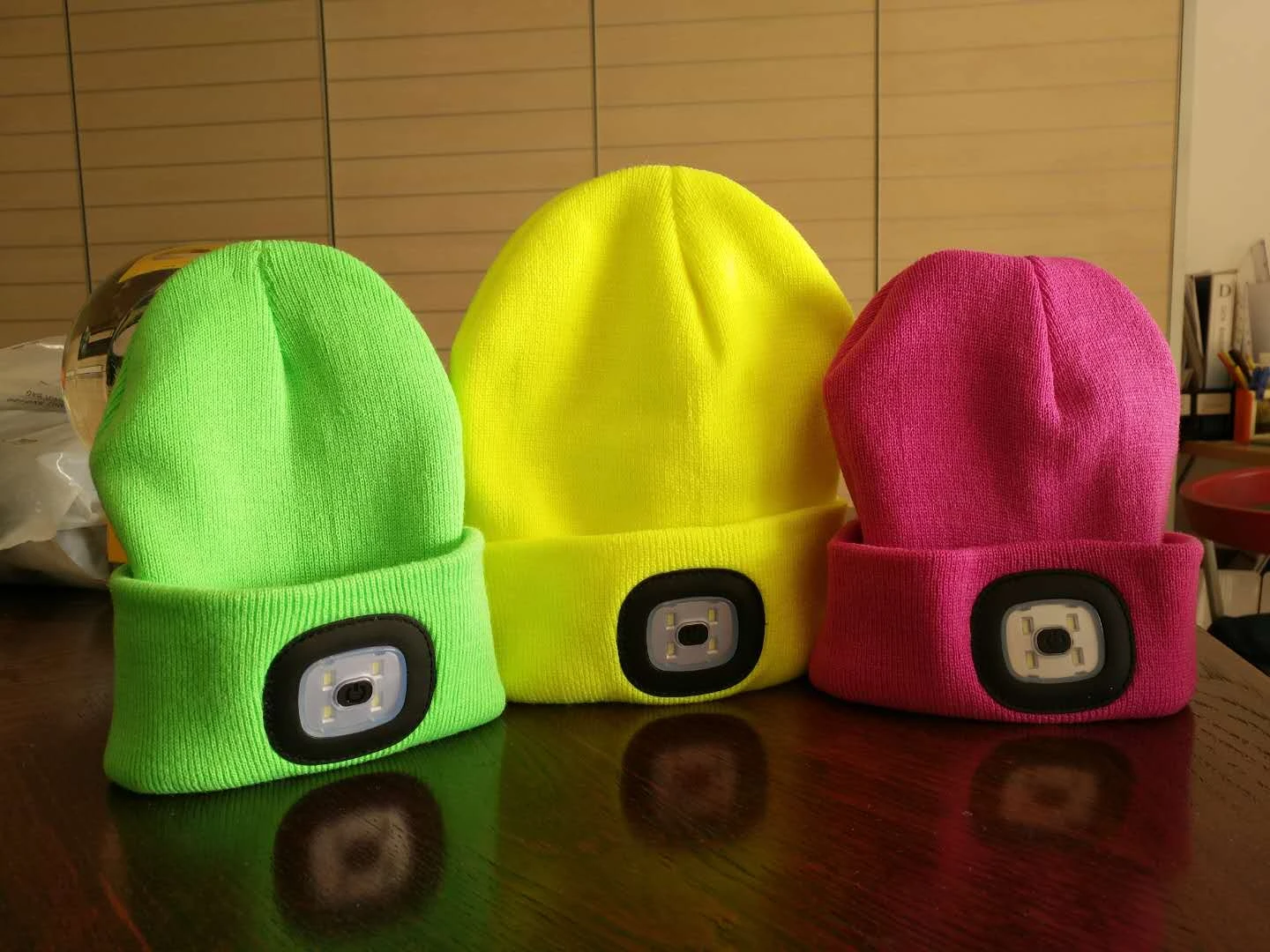
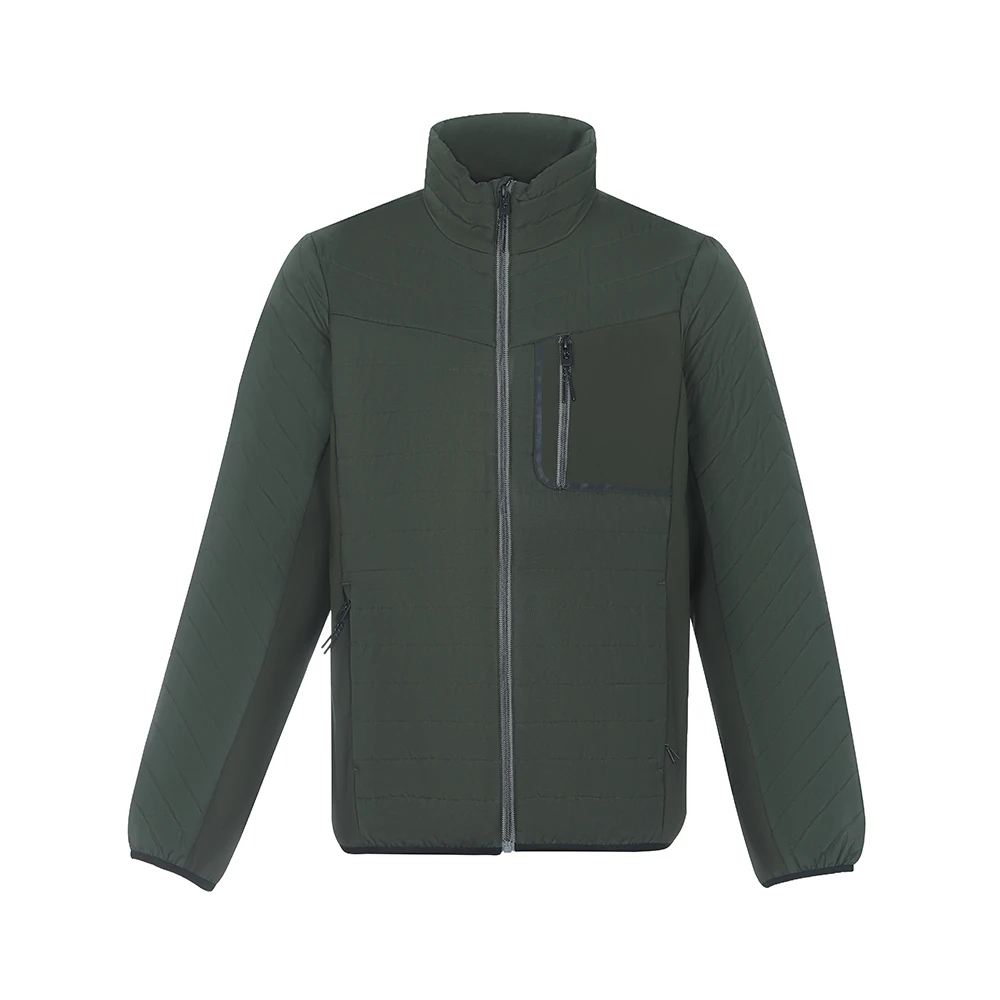
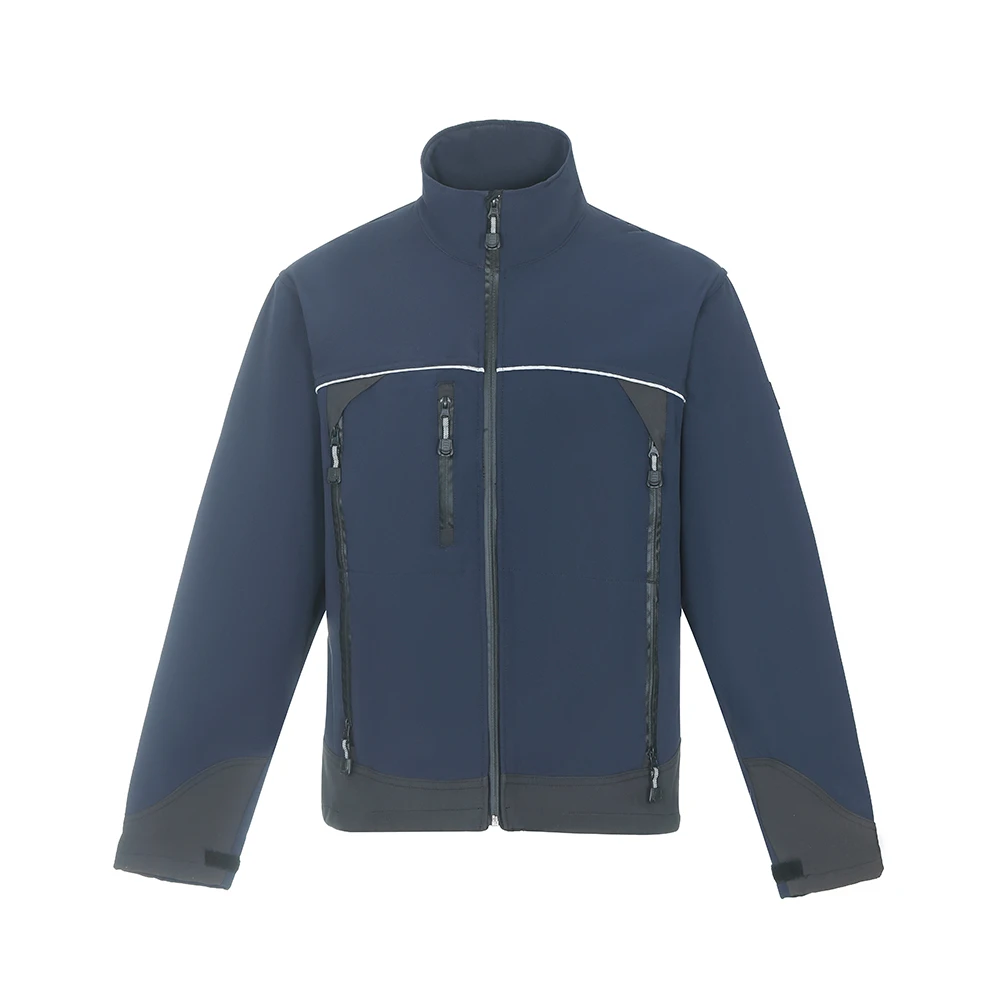
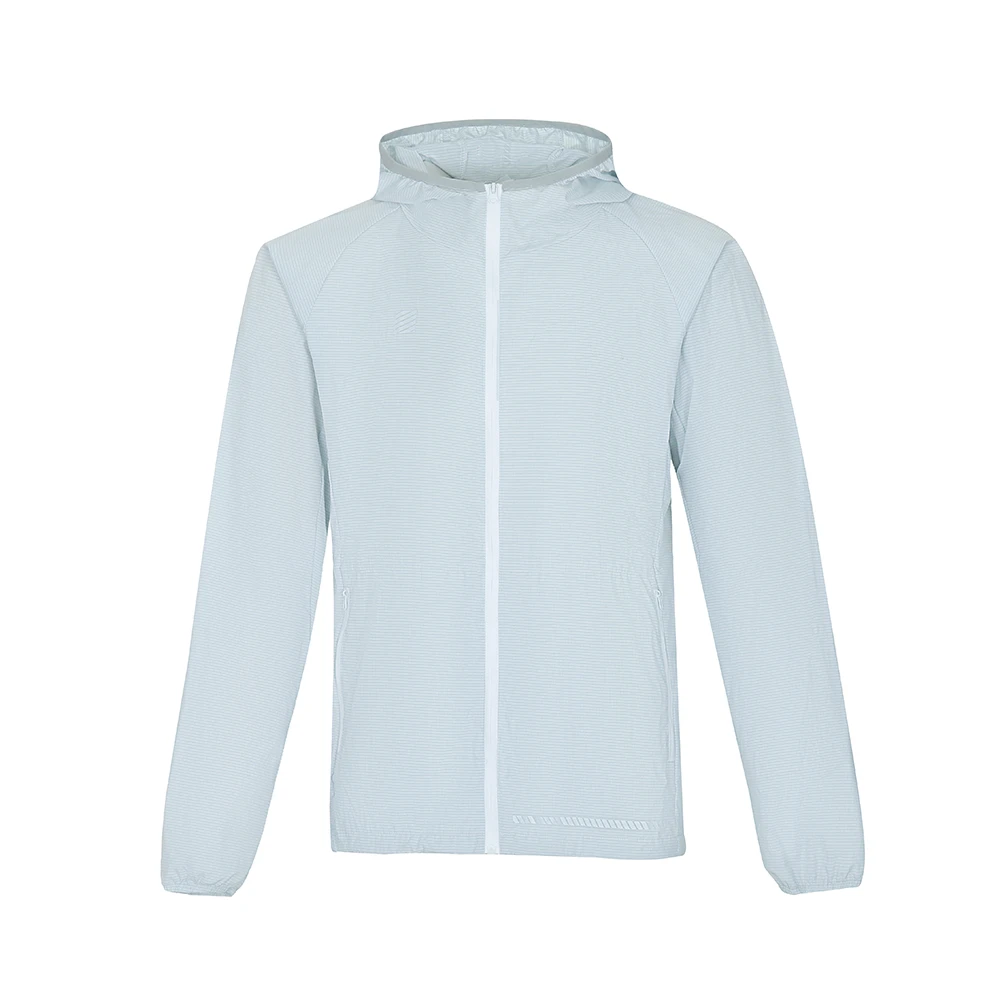
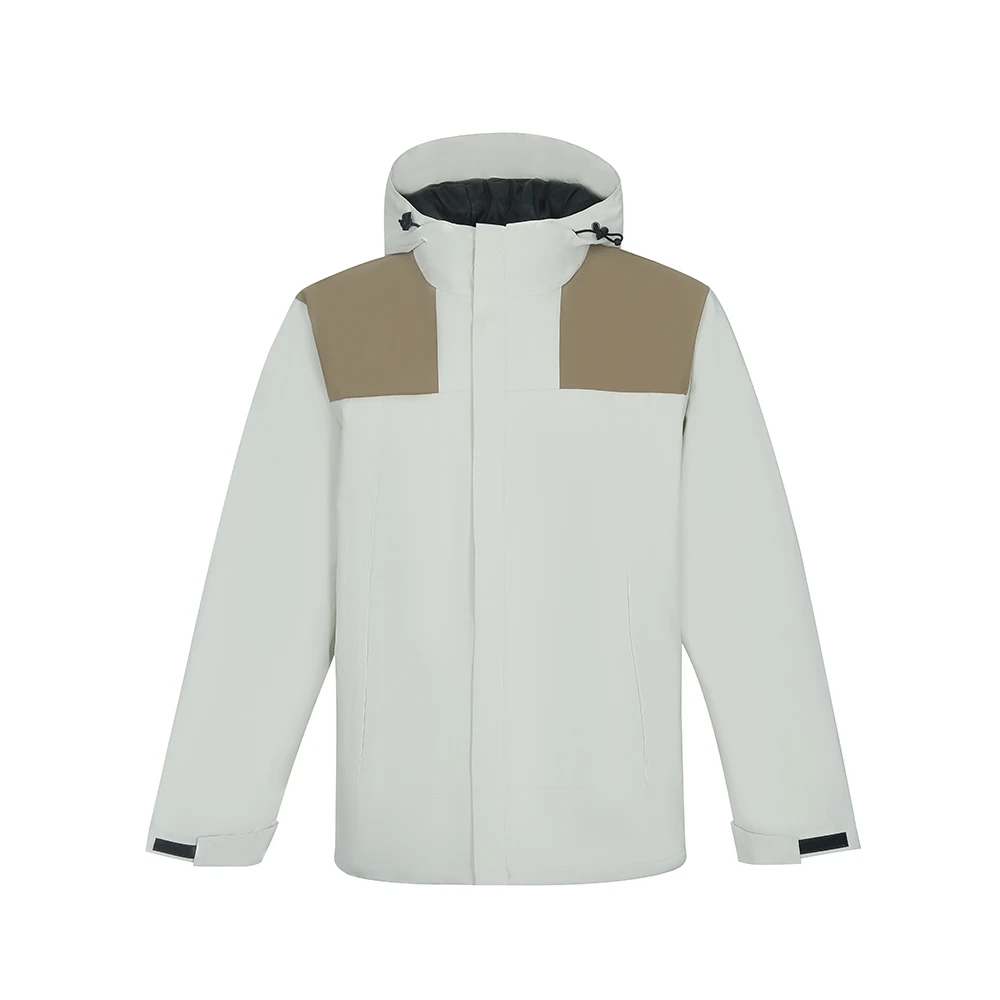
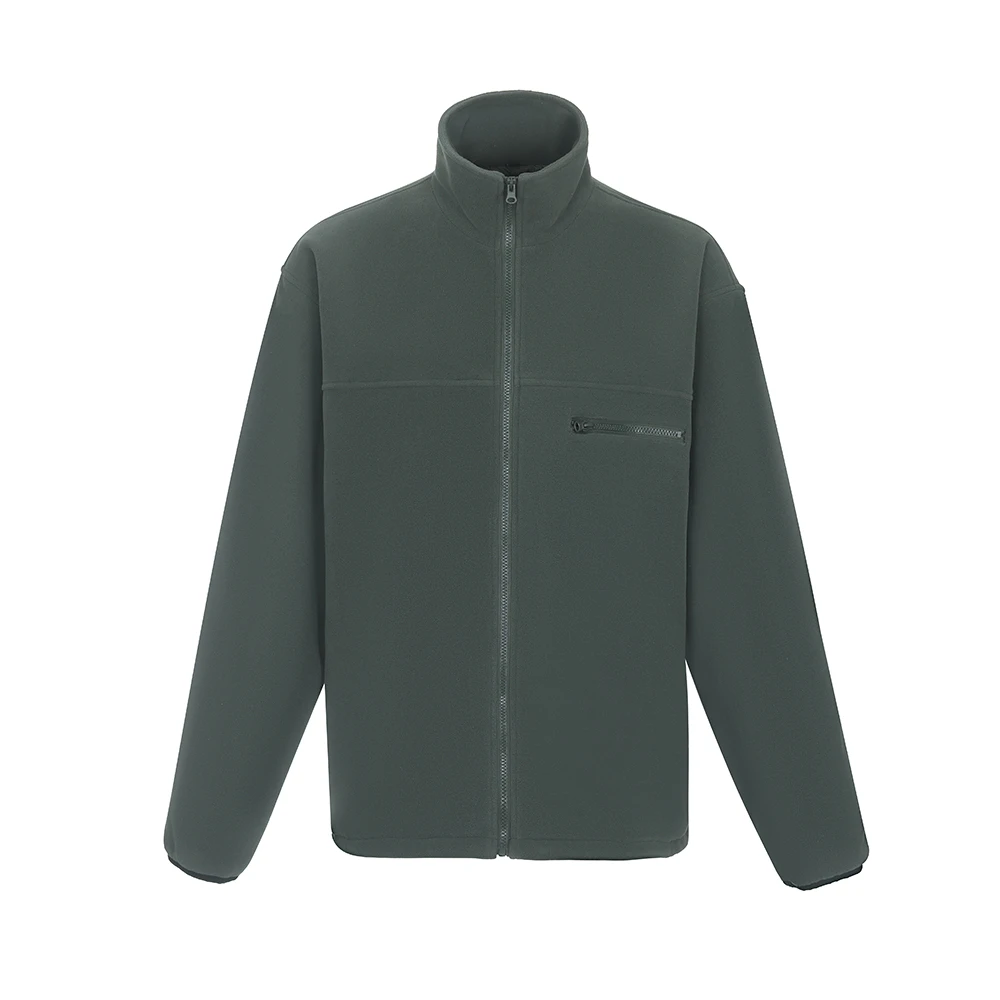
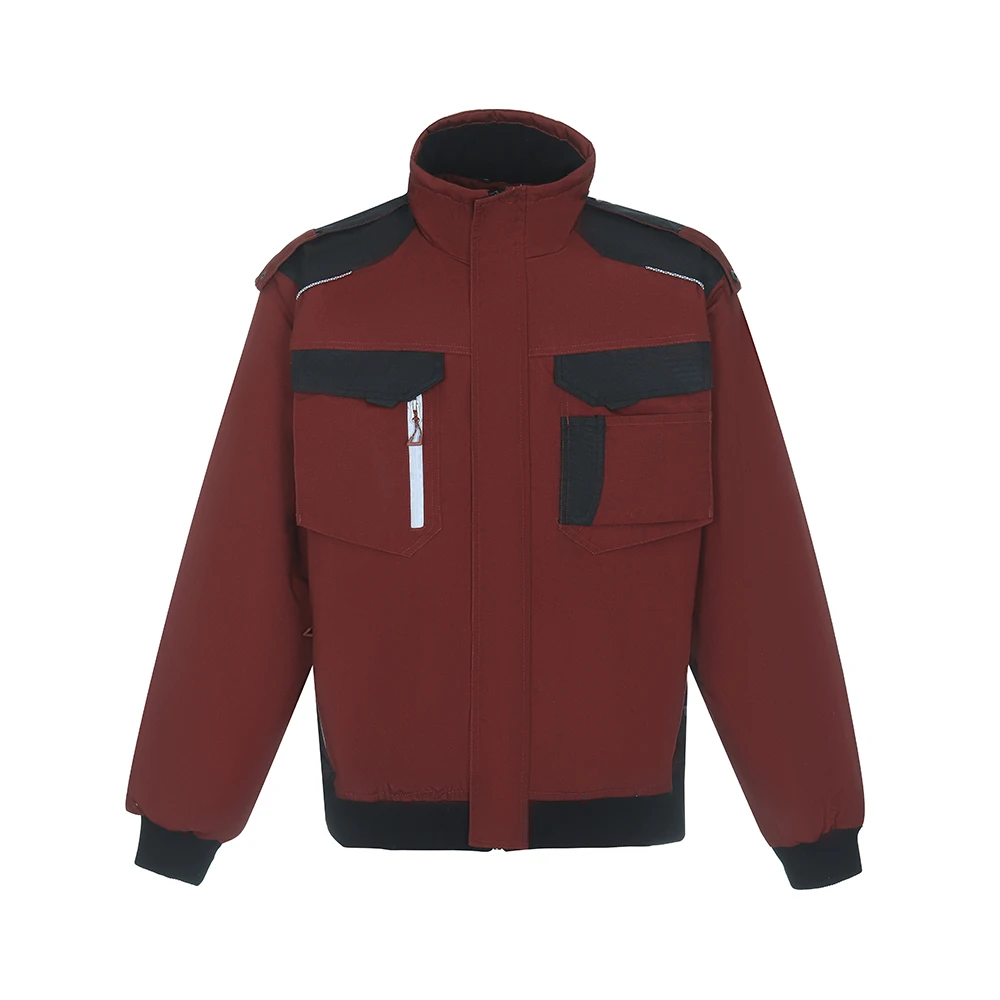
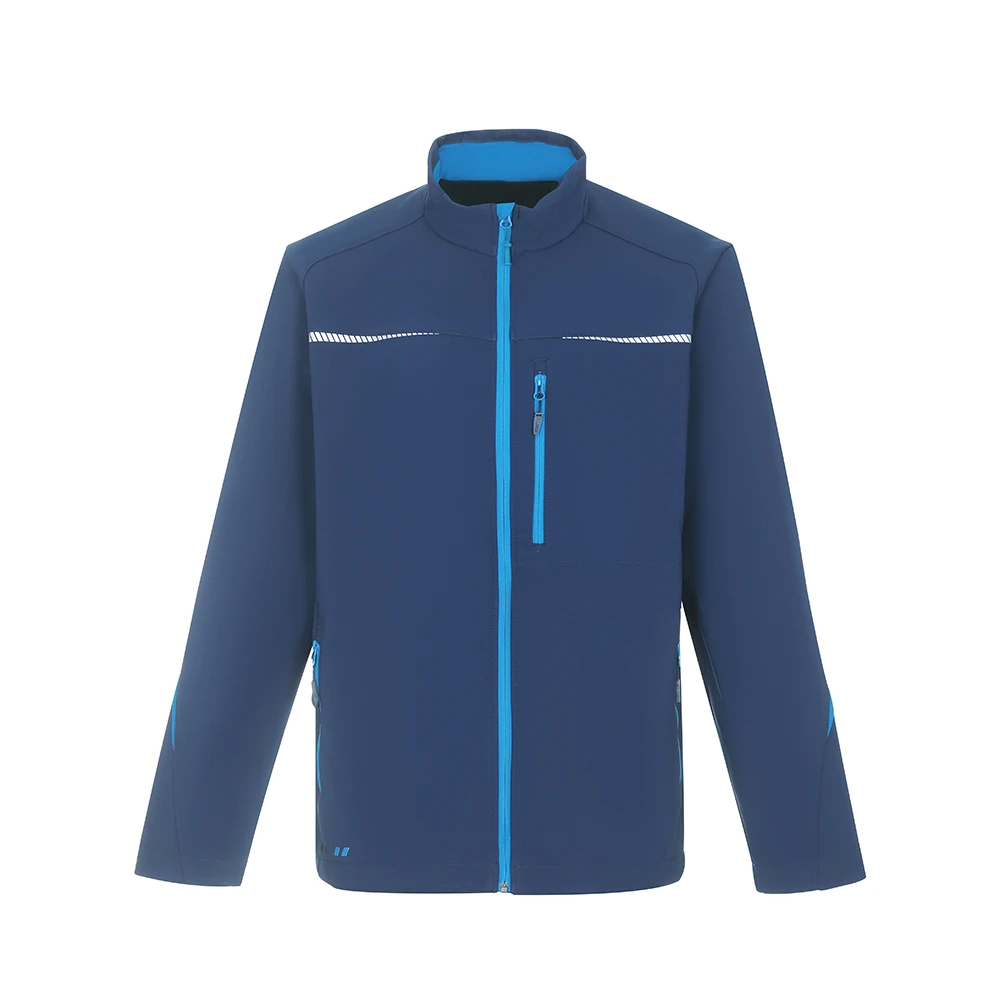
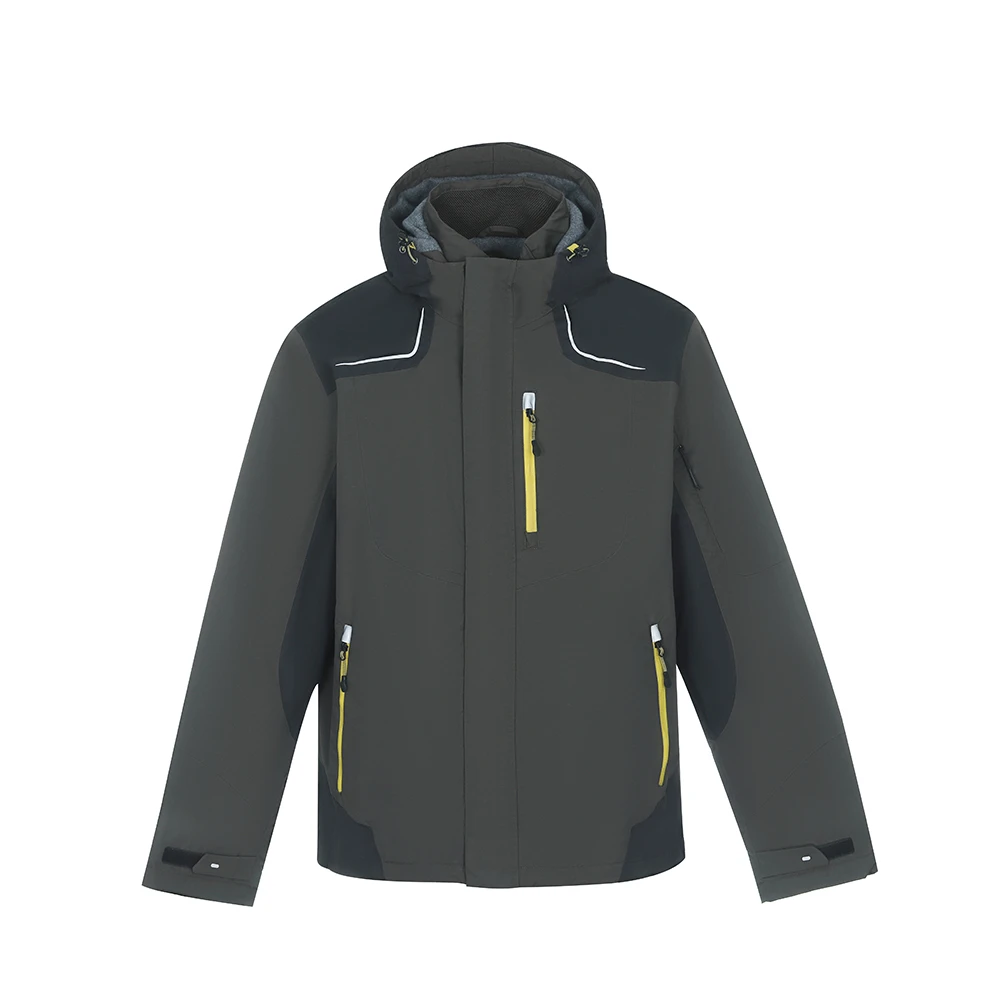
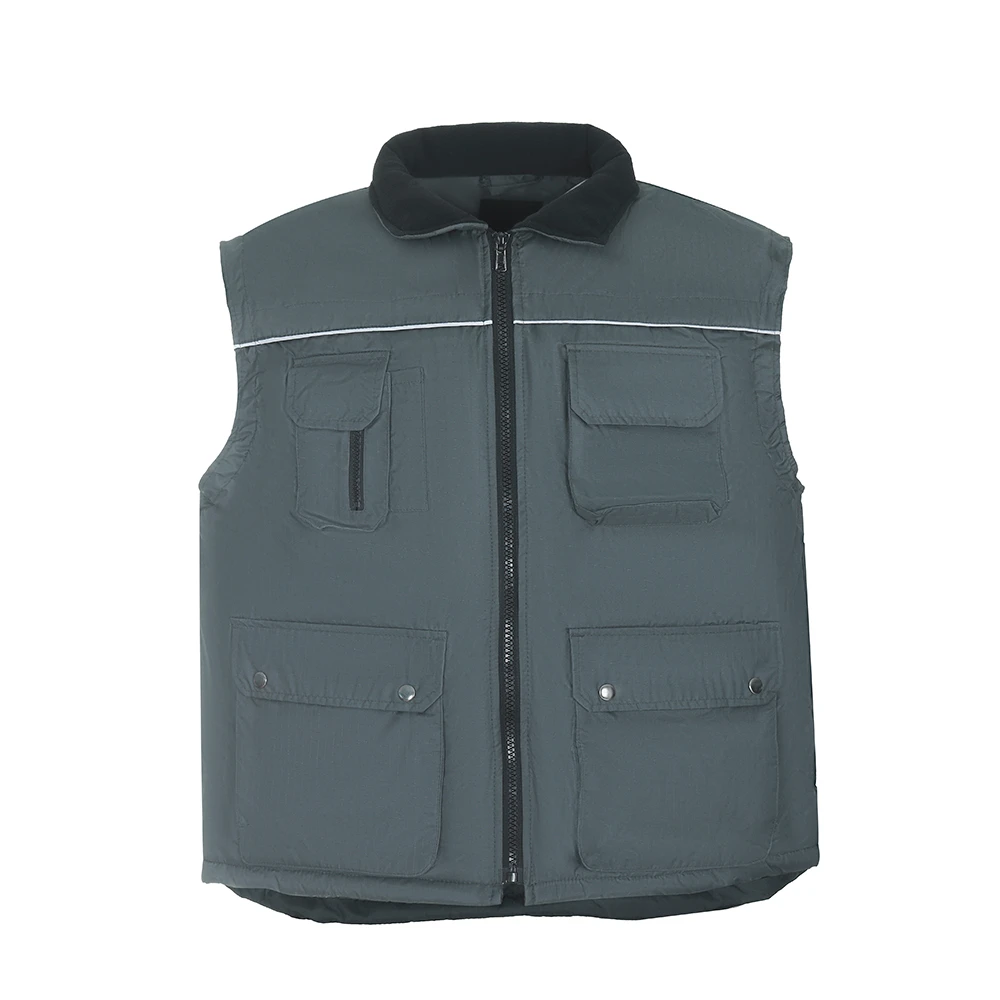
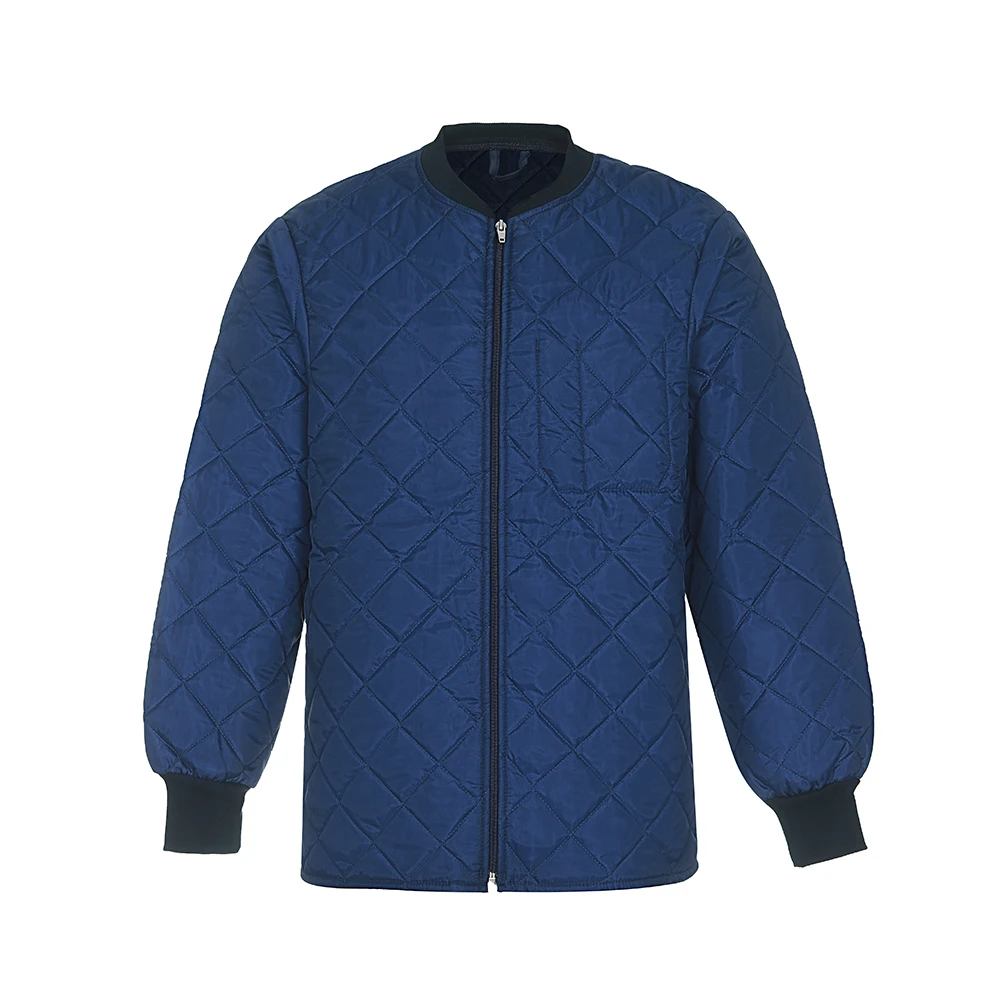
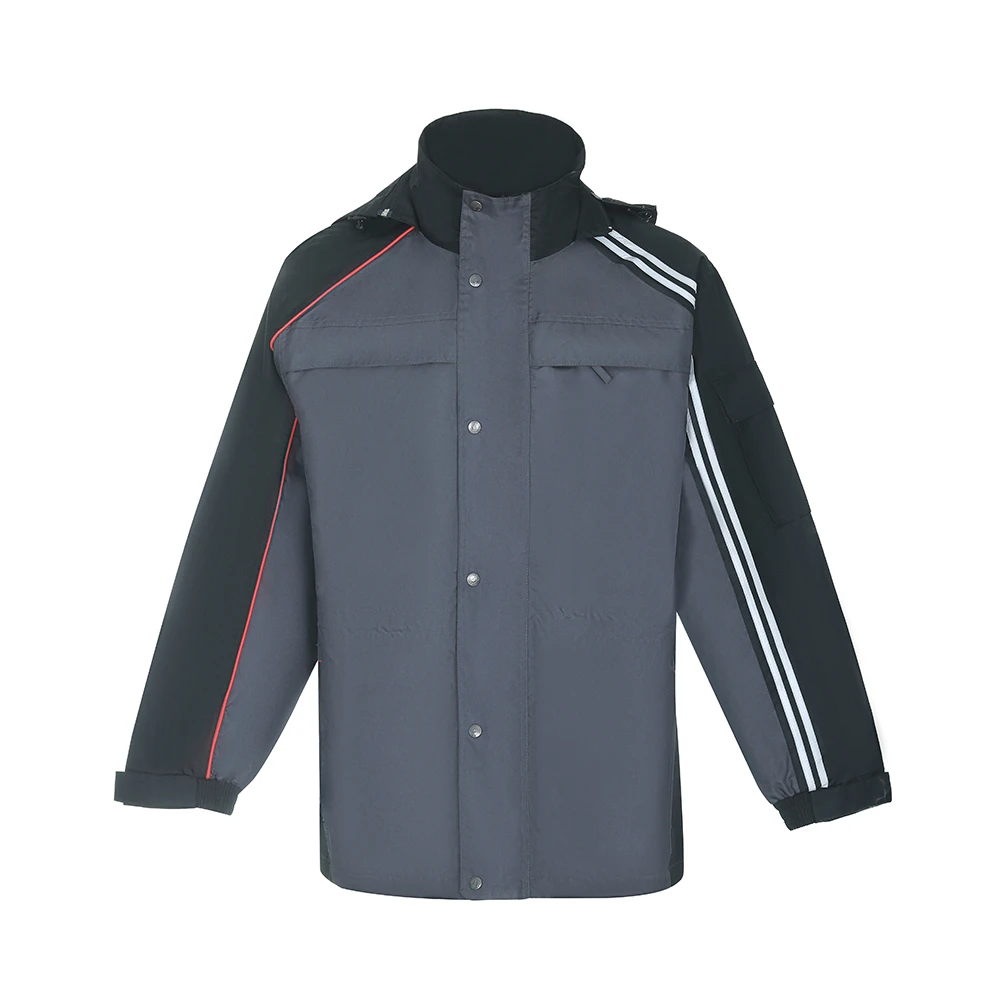
Common hi vis items include:
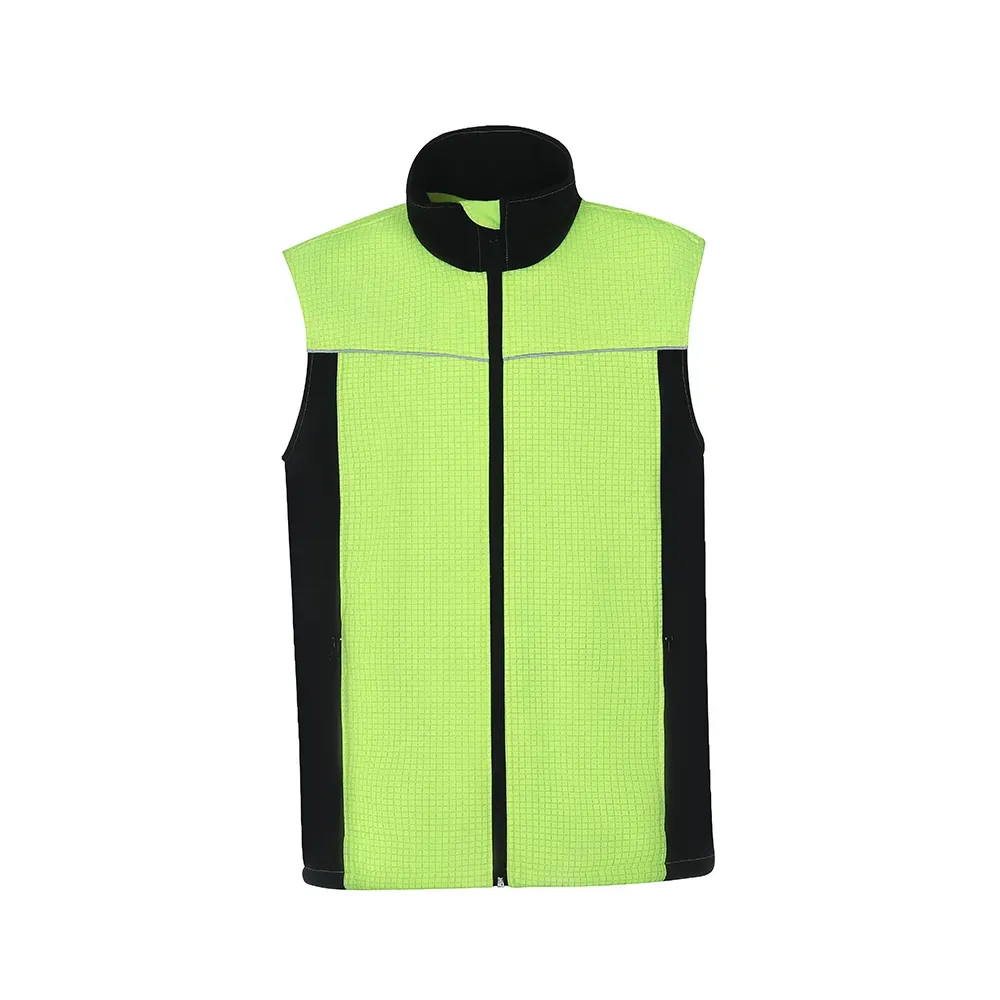
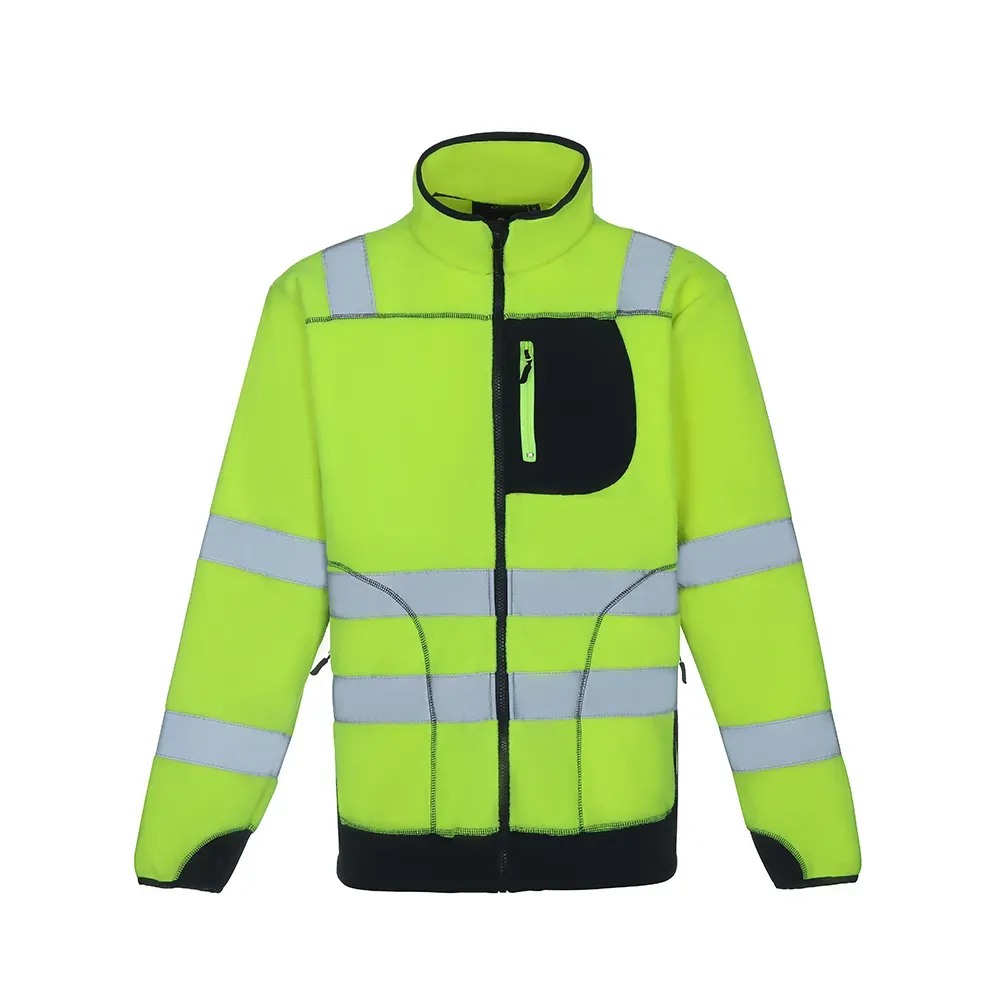
Pants and overalls
Rainwear
When Is Hi Vis Required by Law?
Hi vis clothing is required when workplace risk assessments identify visibility hazards. In many countries, regulations such as OSHA (U.S.) and EN ISO 20471 (Europe) require employers to provide hi vis clothing in specific work environments.
Hi vis is typically required when workers are exposed to:
- Moving vehicles or heavy machinery
- Road traffic or construction zones
- Low-light or night-time operations
- Poor weather conditions (fog, rain, snow)
- High-speed industrial environments
For example, road construction crews must wear hi vis clothing at all times because they work near fast-moving traffic. Similarly, airport ground staff and railway workers are required to wear hi vis gear due to vehicle and equipment movement.
Hi Vis Requirements in Construction Work
Construction sites are one of the most common environments where hi vis clothing is mandatory. Workers are often surrounded by excavators, trucks, cranes, and other heavy machinery.
Hi vis clothing helps:
- Prevent collisions between workers and vehicles
- Improve visibility in dusty or low-light environments
- Increase awareness among machine operators
In most construction settings, Class 2 or Class 3 hi vis garments are required depending on risk level. Class 3 provides the highest visibility and is often used for highway or high-speed traffic zones.
Hi Vis Clothing in Road and Traffic Work
Roadwork is one of the highest-risk environments for visibility-related accidents. Workers may be operating close to moving traffic, often at night or in poor weather conditions.
Hi vis clothing is required for:
- Road maintenance crews
- Traffic controllers and flaggers
- Highway inspection teams
- Emergency roadside responders
In these situations, reflective tape placement is especially important. 360-degree visibility ensures workers can be seen from all angles, even in fast-moving traffic environments.
Warehouse, Logistics, and Industrial Environments
Hi vis clothing is not only for outdoor work. Many indoor industrial environments also require it, especially where forklifts, pallet trucks, and automated systems are in use.
Hi vis is required in:
- Warehouses with vehicle movement
- Shipping and receiving docks
- Manufacturing plants
- Distribution centers
Even in well-lit indoor spaces, accidents can occur when visibility is reduced due to stacking racks, blind corners, or fast-moving equipment. Hi vis clothing helps reduce these risks significantly.
Weather Conditions That Require Hi Vis
Weather plays a major role in visibility risk. Hi vis clothing becomes essential when natural conditions reduce visual clarity.
Hi vis is required during:
- Heavy rain or storms
- Foggy conditions
- Snowfall and winter operations
- Early morning or night shifts
In these environments, fluorescent colors help maintain daytime visibility, while reflective strips ensure workers remain visible under artificial lighting or vehicle headlights.
Understanding Hi Vis Safety Standards
Hi vis clothing is regulated by international safety standards to ensure consistent protection levels.
The most common standards include:
- ANSI/ISEA 107 (United States)
- EN ISO 20471 (Europe)
These standards classify hi vis clothing into performance classes:
- Class 1: Low-risk environments
- Class 2: Moderate-risk environments
- Class 3: High-risk environments with high-speed traffic exposure
The higher the class, the more reflective material and coverage the garment provides.
Choosing the Right Hi Vis Clothing
Selecting the right hi vis clothing depends on the work environment and weather conditions.
Key factors to consider include:
- Risk level (traffic speed, machinery presence)
- Weather conditions (hot, cold, wet environments)
- Work duration and physical activity
- Required compliance standard
For example:
- A warehouse worker may only need a Class 1 vest
- A highway construction worker requires Class 3 jacket or vest
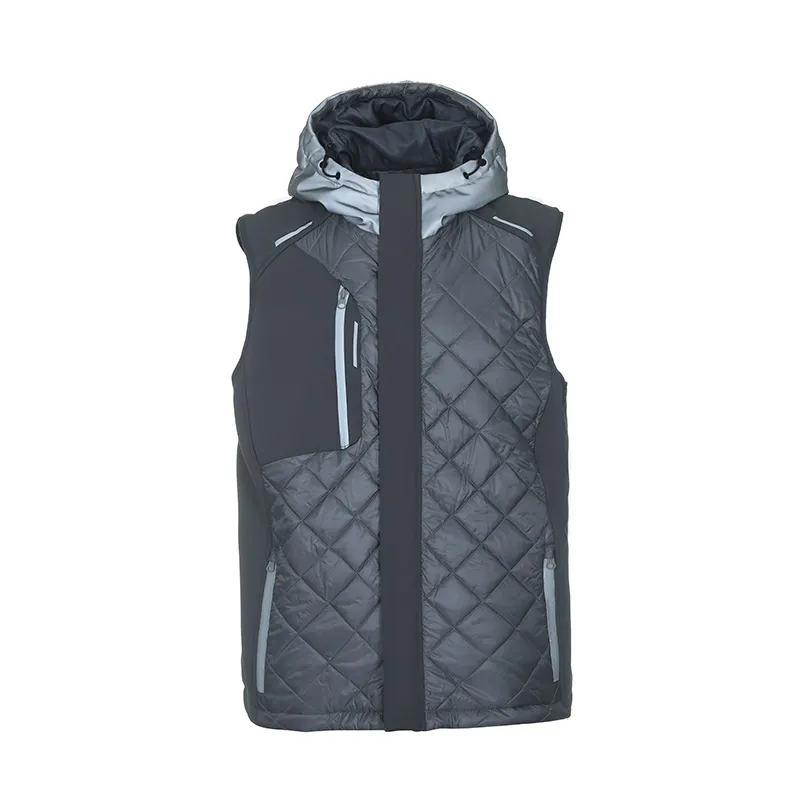
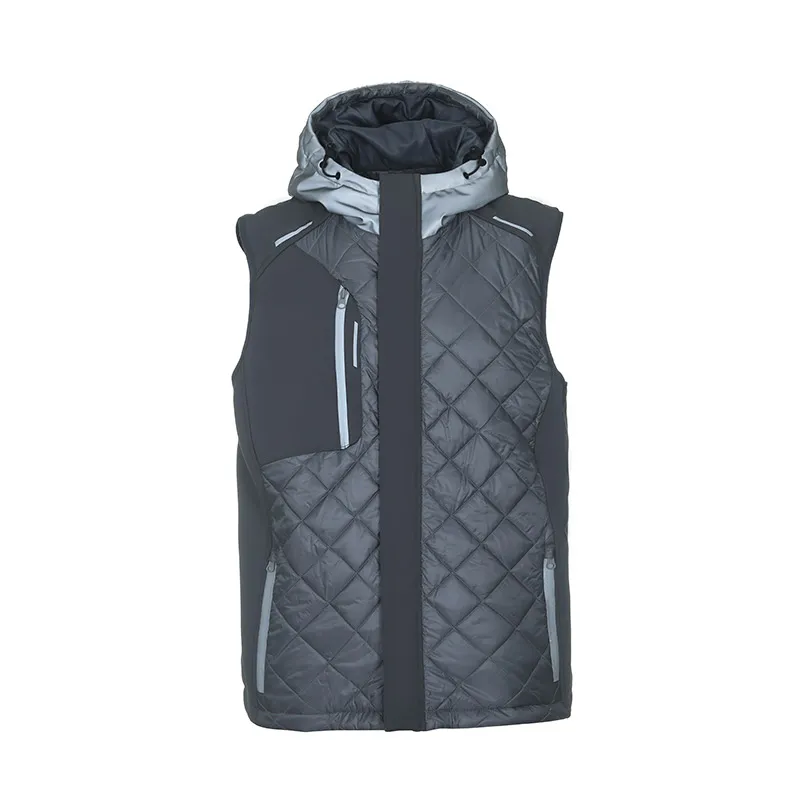
- Cold-weather workers may benefit from a hi vis softshell vest with insulation
Why Hi Vis Clothing Is Important for Safety
The primary purpose of hi vis clothing is to reduce workplace accidents caused by poor visibility. Many industrial accidents occur because workers are not seen in time.
Benefits include:
- Improved reaction time for drivers and operators
- Reduced workplace injuries and fatalities
- Increased awareness in high-risk zones
- Compliance with legal safety requirements
In many industries, hi vis clothing is not optional—it is a critical part of personal protective equipment (PPE).
Final Thoughts
Hi vis clothing is required whenever visibility risks are present, whether due to traffic, machinery, weather, or working conditions. From construction sites to warehouses and roadside environments, it plays a vital role in keeping workers safe.
Understanding when hi vis is required helps companies stay compliant with safety regulations and ensures workers are properly protected in all environments.
Choosing the right type of hi vis clothing—based on risk level, weather, and job type—can significantly reduce accidents and improve overall workplace safety.