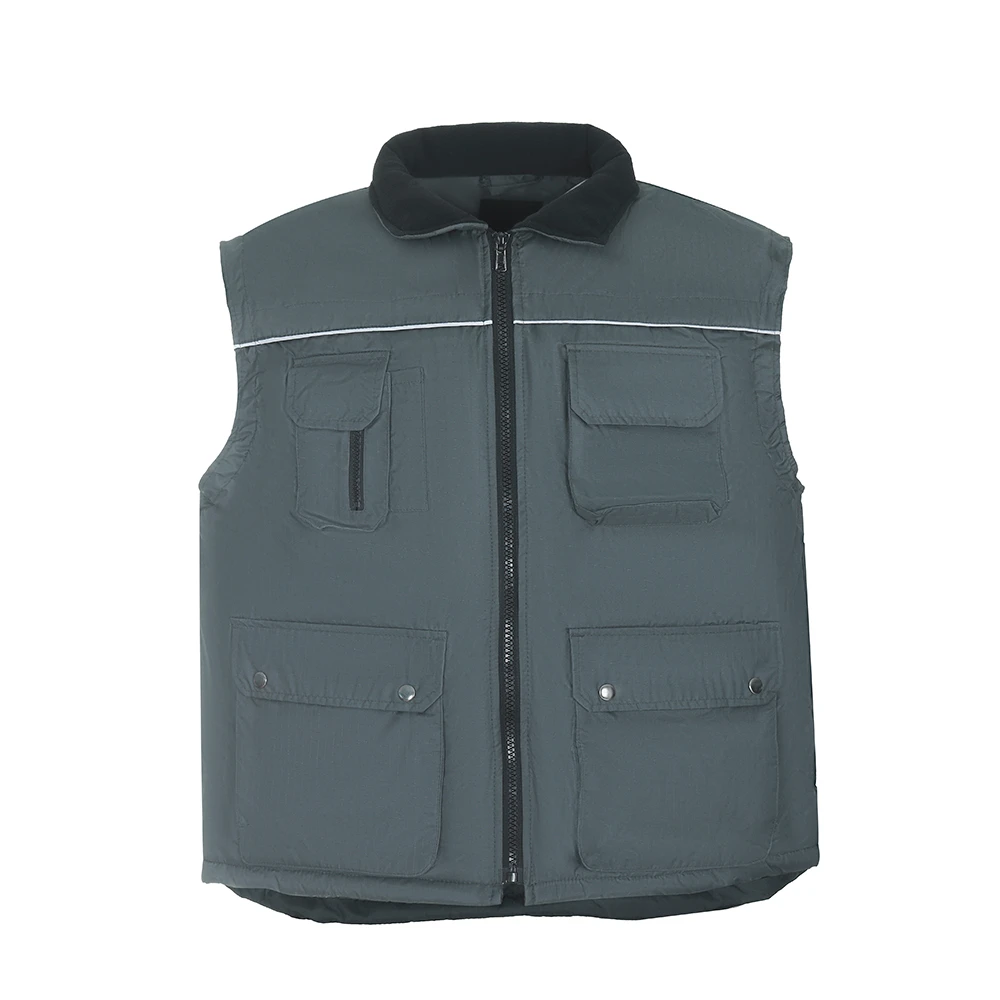
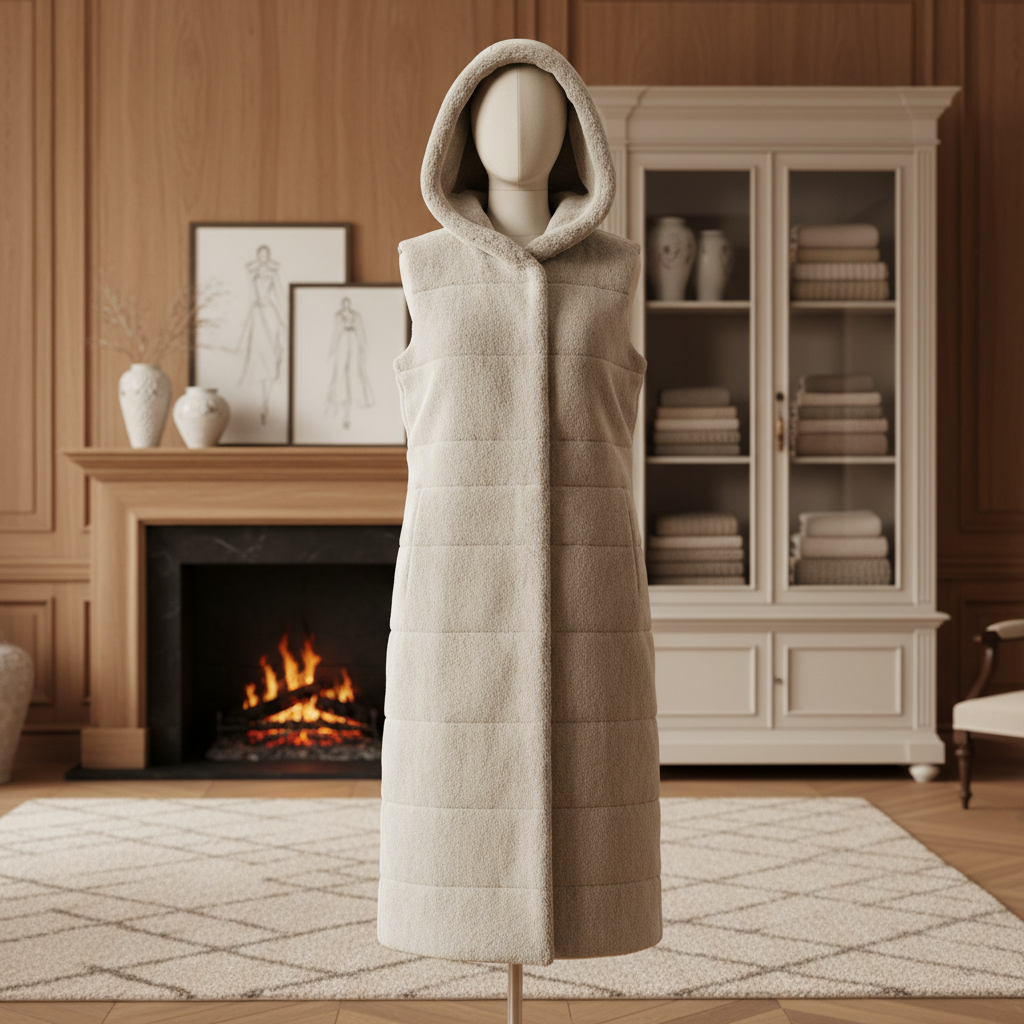
How to Fix a Flat Puffer Vest: Easy Ways to Restore Loft and Warmth
A puffer vest is designed to keep you warm by trapping air inside its insulation. But over time, many people notice their vest becoming flat, thin, and less effective. Whether it’s due to improper washing, long-term storage, or heavy use, a flat puffer vest doesn’t mean it’s ruined. The good news is that you can often restore its fluffiness and performance with a few simple methods.
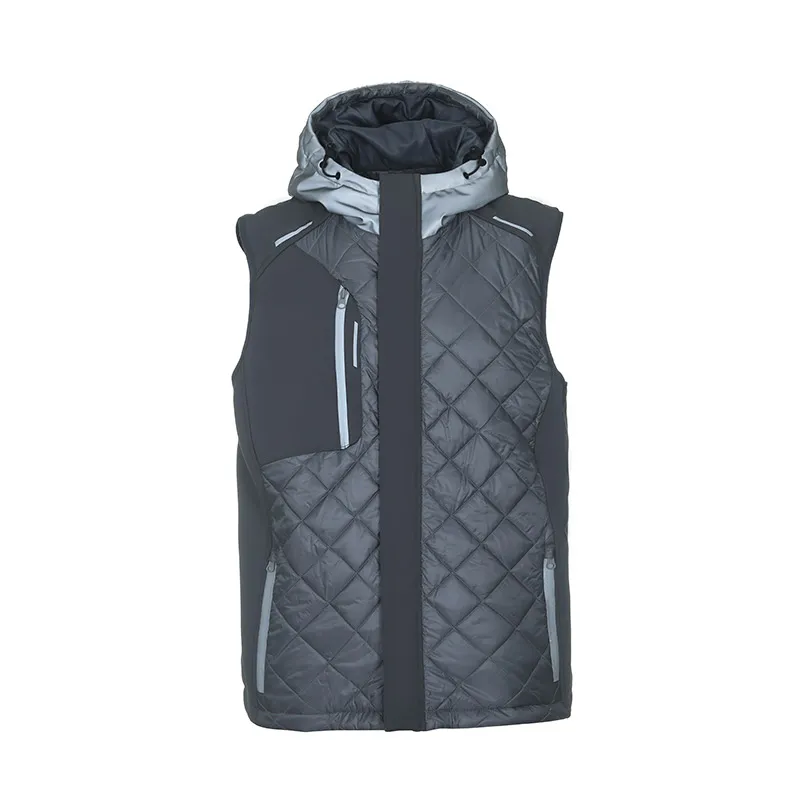
In this guide, we’ll show you how to fix a flat hooded puffer vest step by step and keep it looking and performing like new.
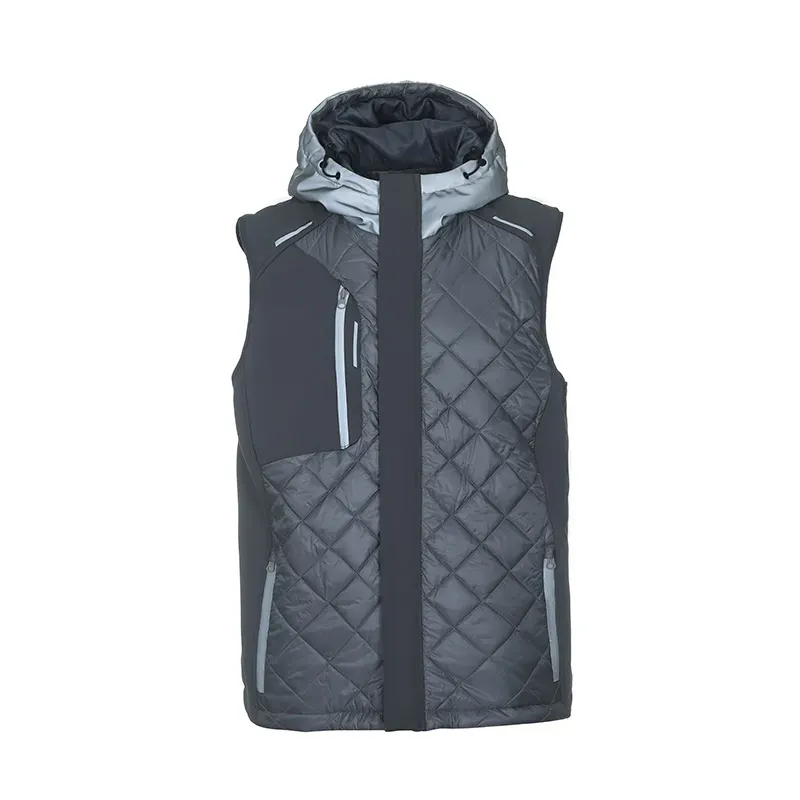
Why Does a Puffer Vest Go Flat?
Before fixing the problem, it’s important to understand why a puffer vest loses its loft in the first place. Most puffer vests are filled with either down or synthetic insulation. Both materials rely on air pockets to provide warmth.
Common reasons for flattening include:
- Moisture buildup from sweat or improper drying
- Compression during storage (e.g., packed tightly for long periods)
- Clumping after washing
- Dirt and oil accumulation reducing insulation performance
When these factors affect the insulation, the vest loses its ability to trap air, making it feel thin and less warm.
Method 1: Use a Dryer with Tennis Balls
One of the most effective ways to fix a flat puffer vest is using a dryer with tennis balls. This method helps break up clumps and restore loft.
Steps:
- Place your puffer vest in the dryer
- Add 2–3 clean tennis balls or dryer balls
- Set the dryer to low heat or air-dry mode
- Run for 20–30 minutes
- Check progress and repeat if needed
The bouncing action of the balls helps redistribute the filling and bring back the fluffiness.
💡 Tip: Always use low heat to avoid damaging the fabric or insulation.
Method 2: Air Dry and Manually Fluff
If you don’t want to use a dryer, you can fix a flat puffer vest by hand.
Steps:
- Lay the vest flat on a clean surface
- Gently shake and pat the sections
- Use your fingers to separate clumped filling
- Hang it in a well-ventilated area
This method takes more time but works well, especially for delicate materials.
Method 3: Rewash Properly
Sometimes, the reason your puffer vest is flat is because it wasn’t washed correctly. Rewashing it properly can help restore its structure.
Washing tips:
- Use a gentle cycle with cold water
- Choose a mild detergent (preferably for down or technical fabrics)
- Avoid fabric softeners
- Rinse thoroughly to remove residue
After washing, always follow with proper drying (preferably the tennis ball method).
Method 4: Steam Treatment
Steam can help loosen compressed fibers and restore volume.
How to do it:
- Use a garment steamer or steam from a hot shower
- Hang the vest and expose it to steam
- Gently fluff the material while it’s warm
This method works especially well for light flattening caused by storage.
Method 5: Shake and Sun Dry
For mild cases, a simple shake and sun-dry method can be effective.
Steps:
- Hang the vest outdoors in indirect sunlight
- Shake it periodically to redistribute the filling
- Let it air out for several hours
Fresh air helps remove moisture and revive insulation.
Down vs Synthetic: Does It Matter?
Yes, the type of insulation affects how you fix a flat puffer vest.
Down-filled vests:
- More prone to clumping when wet
- Require careful drying
- Benefit greatly from tennis ball drying
Synthetic-filled vests:
- More resistant to moisture
- Easier to maintain
- Less likely to permanently flatten
Understanding your vest type helps you choose the right recovery method.
How to Prevent Your Puffer Vest from Going Flat
Prevention is always better than repair. Here are some simple ways to keep your puffer vest fluffy:
1. Store it properly
Avoid compressing your vest for long periods. Hang it or store it loosely.
2. Wash it correctly
Follow care instructions and avoid harsh chemicals.
3. Dry it completely
Never store a damp vest. Moisture leads to clumping and odor.
4. Avoid heavy pressure
Don’t stack heavy items on top of your vest.
5. Use garment bags
Protect your vest during travel or seasonal storage.
When Is It Time to Replace a Puffer Vest?
Sometimes, even after trying all methods, your vest may not fully recover. Signs that it may be time to replace it include:
- Permanent flat spots that don’t fluff up
- Insulation shifting unevenly
- Loss of warmth even after restoration
- Fabric damage or tearing
If the insulation is broken down, replacement may be the best option.
Final Thoughts
A flat puffer vest doesn’t mean it’s useless. In most cases, you can restore its loft and warmth with simple techniques like using a dryer with tennis balls, proper washing, or manual fluffing. Regular care and proper storage will also help extend its lifespan and keep it performing at its best.
By following these tips, you can bring your puffer vest back to life and continue enjoying its comfort and insulation for many seasons.