Types of Safety Workwear for Different Industries
Safety workwear plays a critical role in protecting workers from hazards while also improving visibility, comfort, and compliance with workplace regulations. Different industries face different risks, which means the required protective clothing is not the same everywhere. From construction sites to healthcare environments, choosing the right type of safety workwear helps reduce accidents and improves overall productivity.
This guide explores the main types of safety workwear used across various industries and explains how each category supports specific working conditions.
1️⃣ High Visibility Workwear for Construction and Roadwork
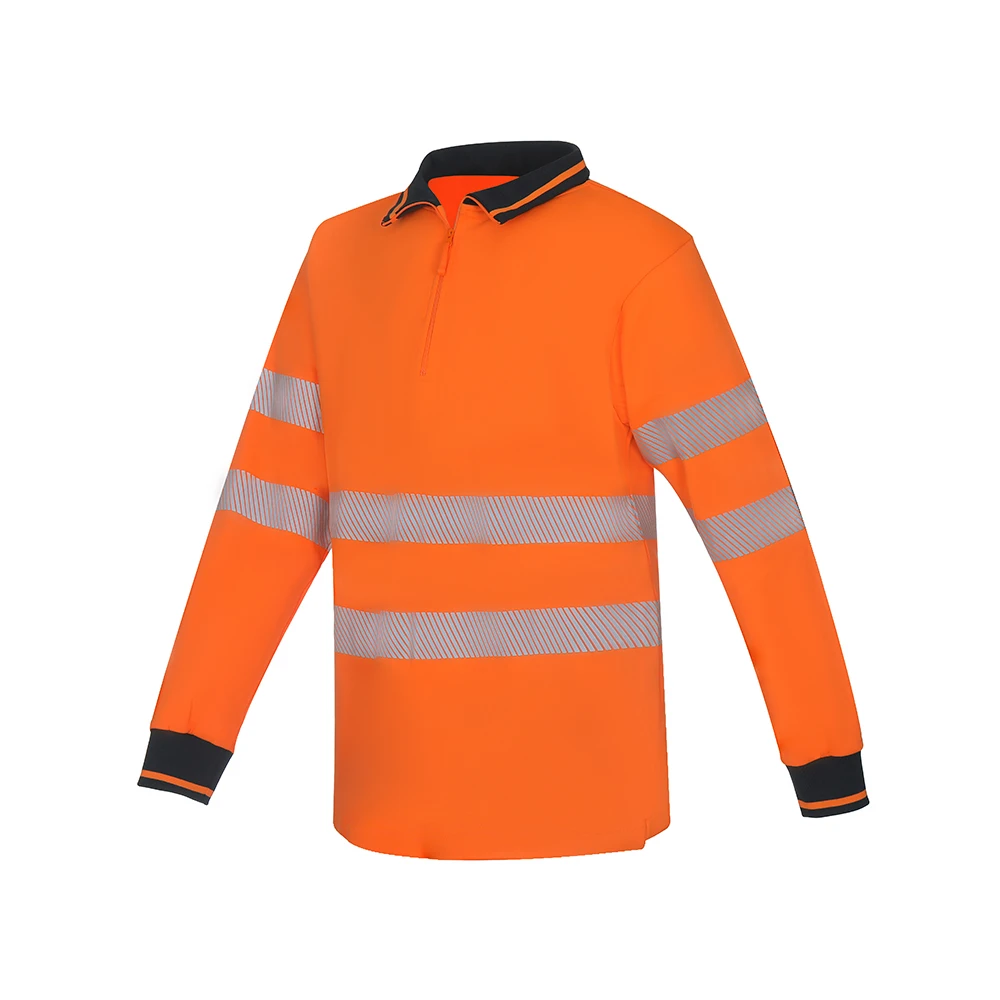
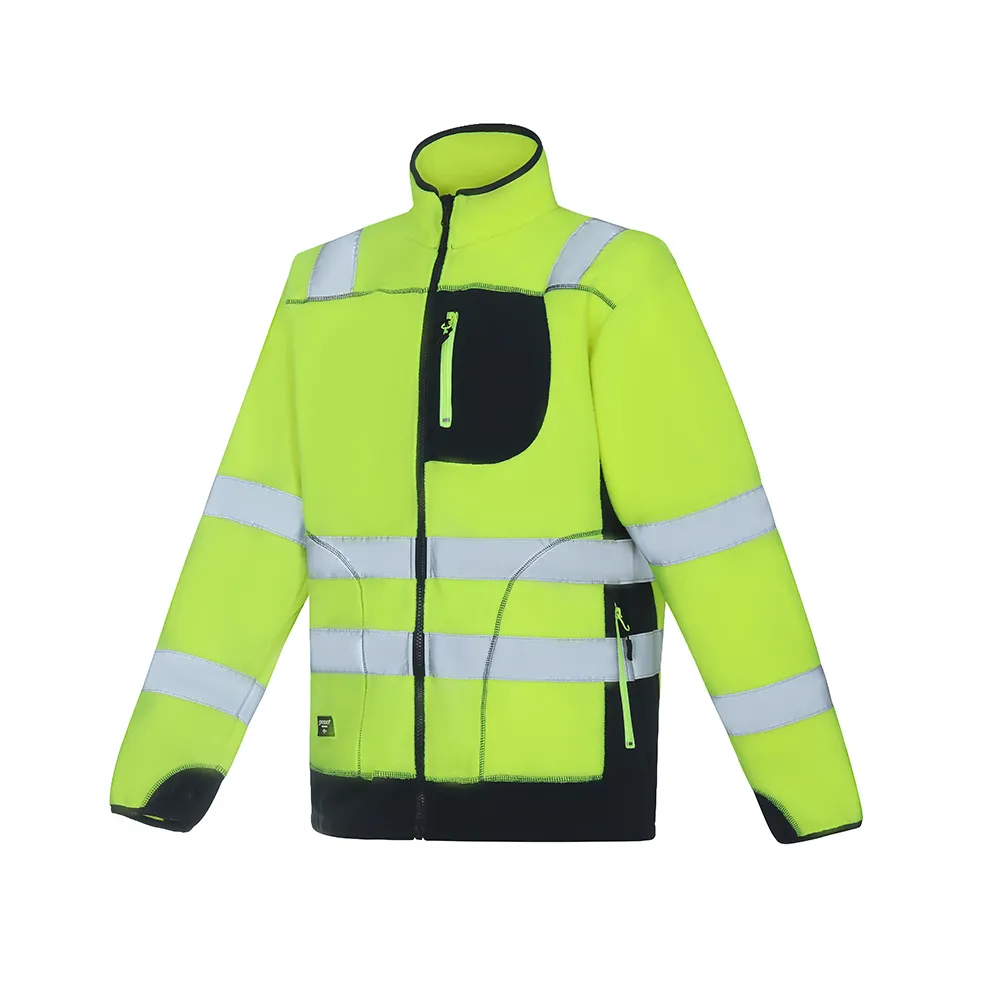
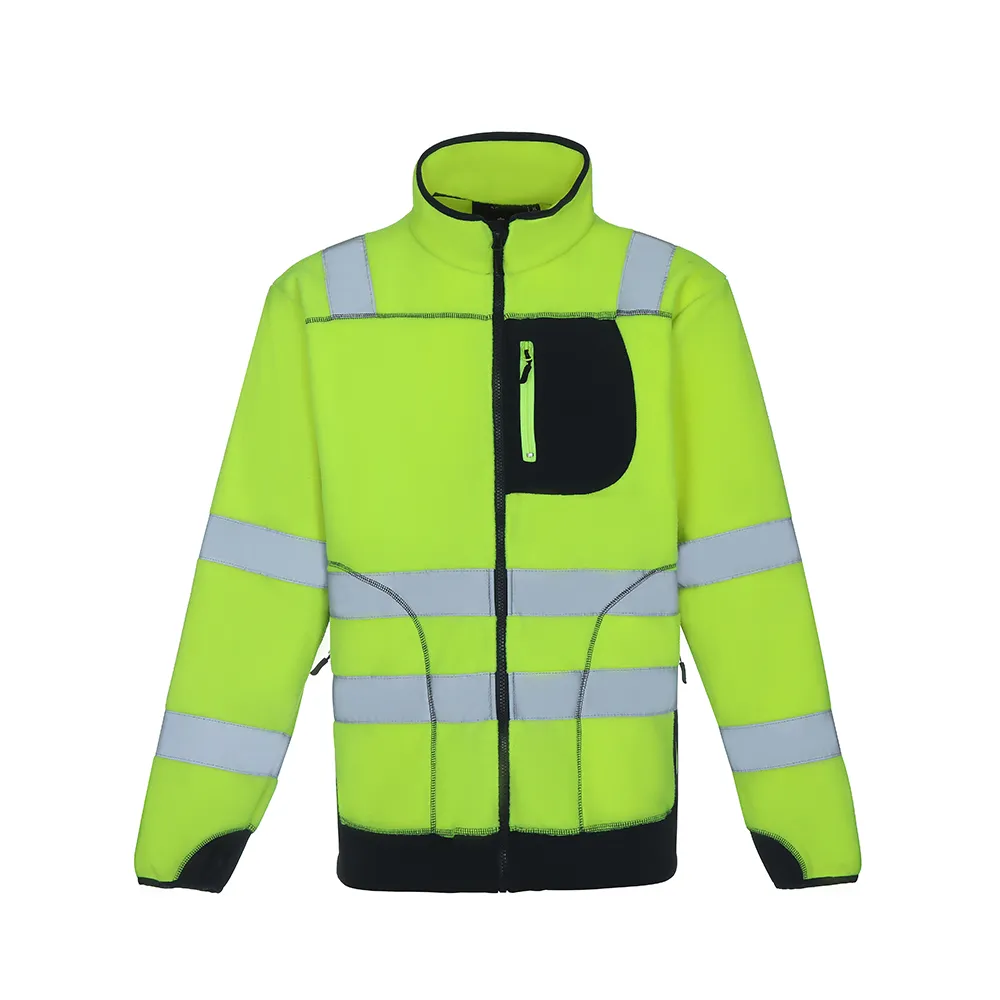
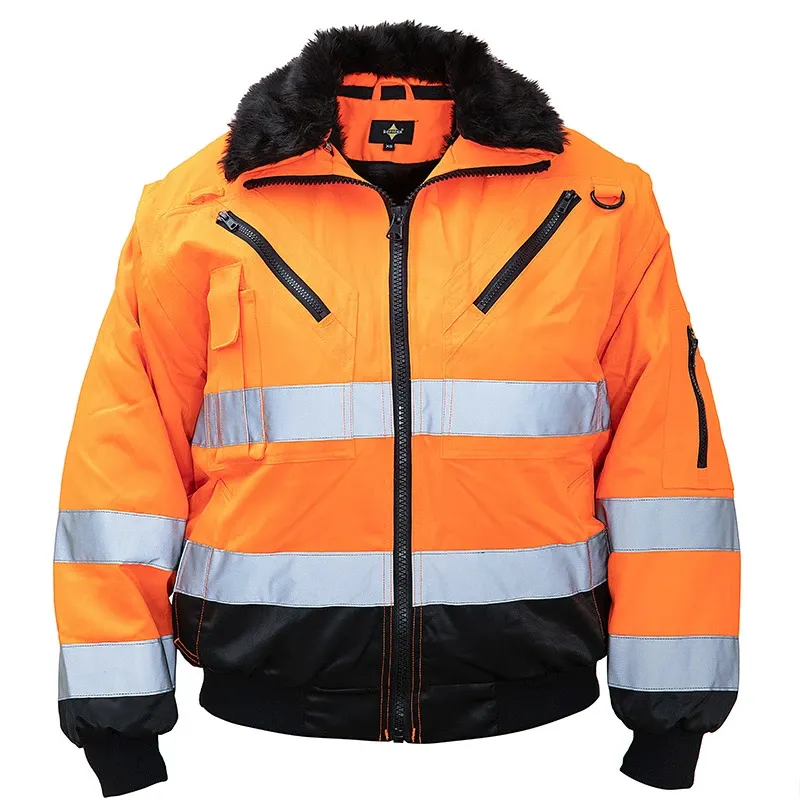
High visibility (hi vis) workwear is essential in industries where workers operate near vehicles, machinery, or moving equipment. Construction sites, road maintenance zones, and airport ground operations are the most common environments requiring hi vis clothing.
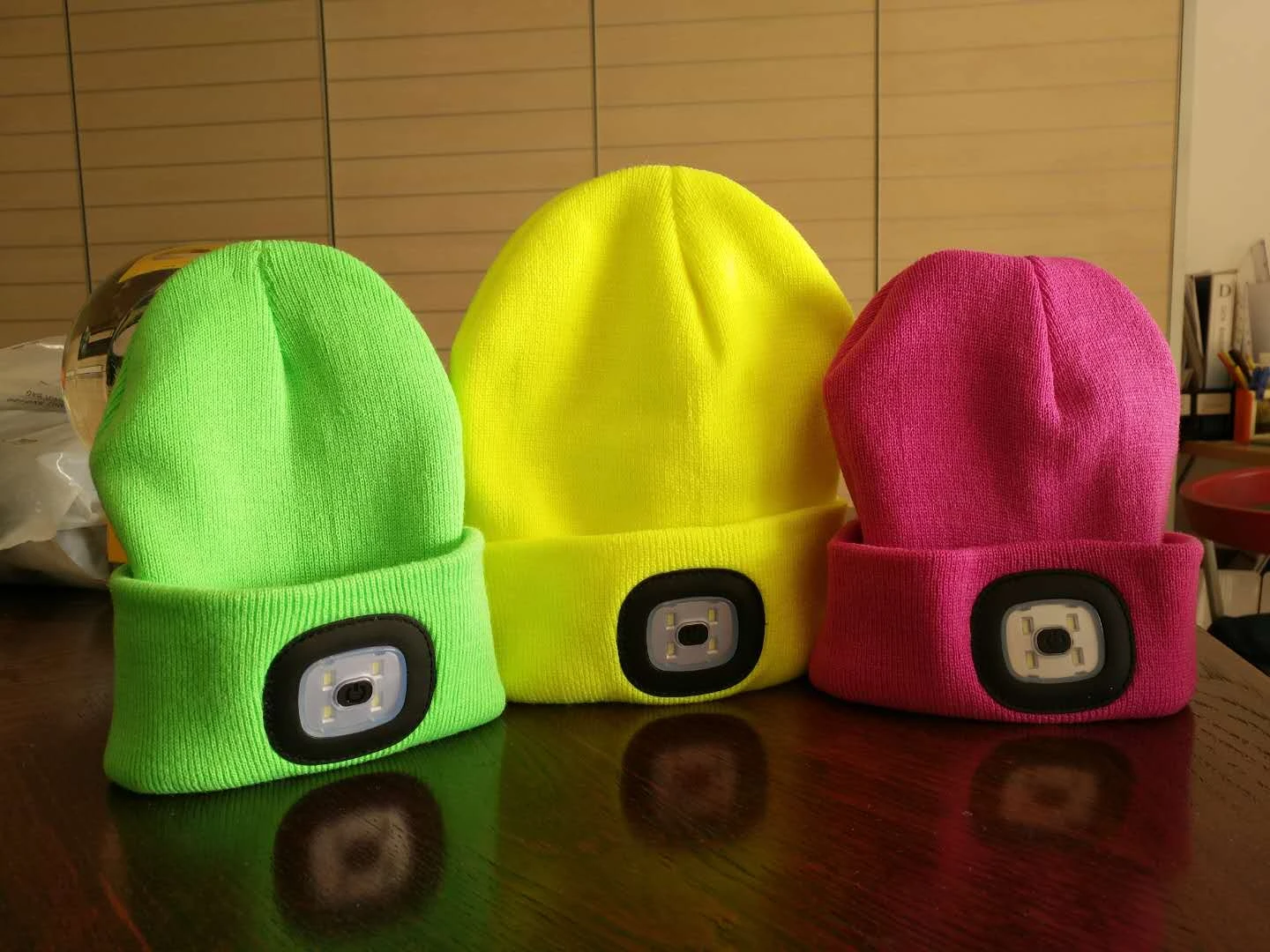
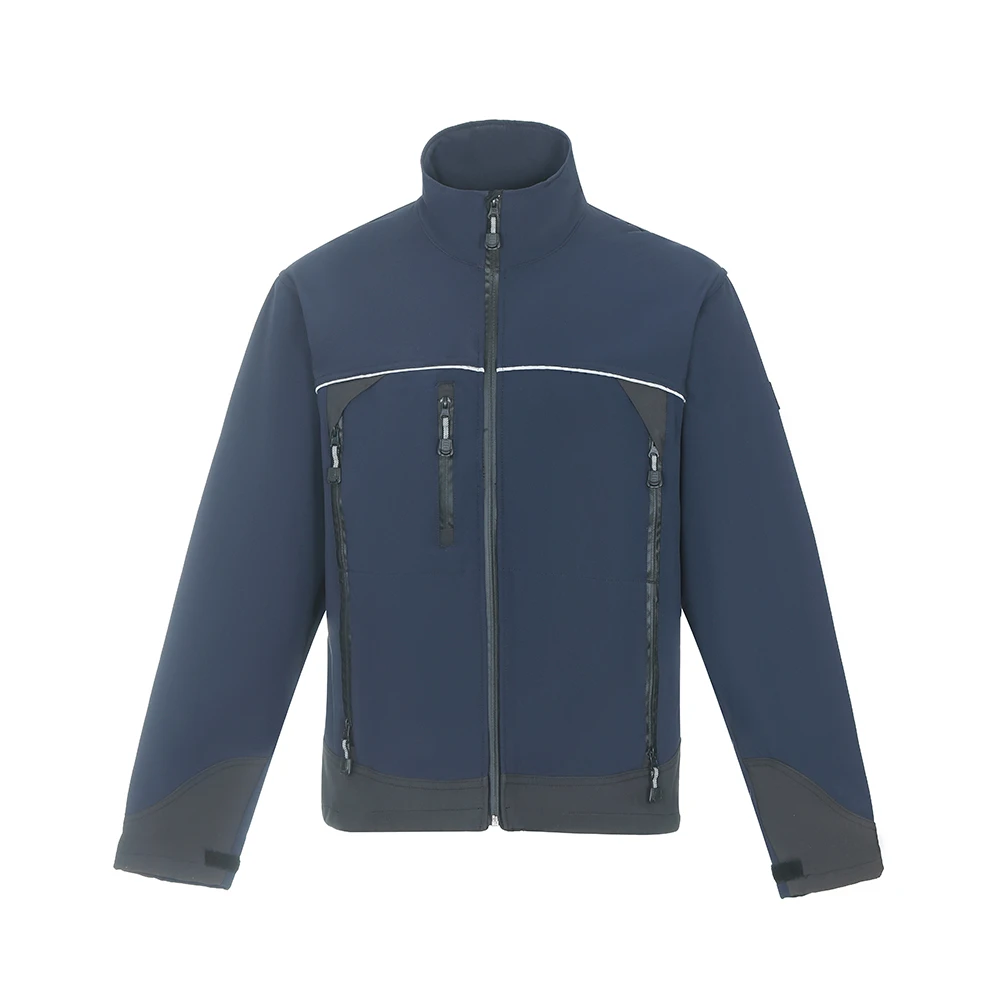
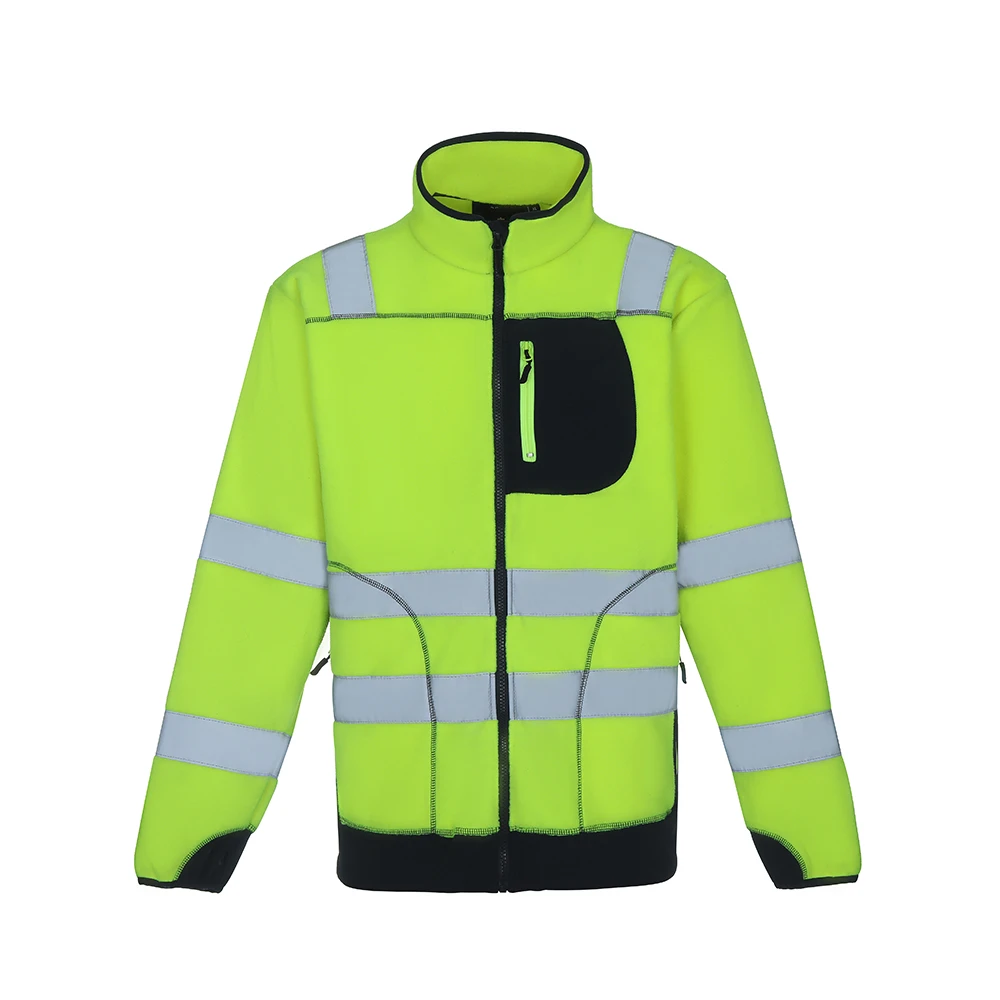
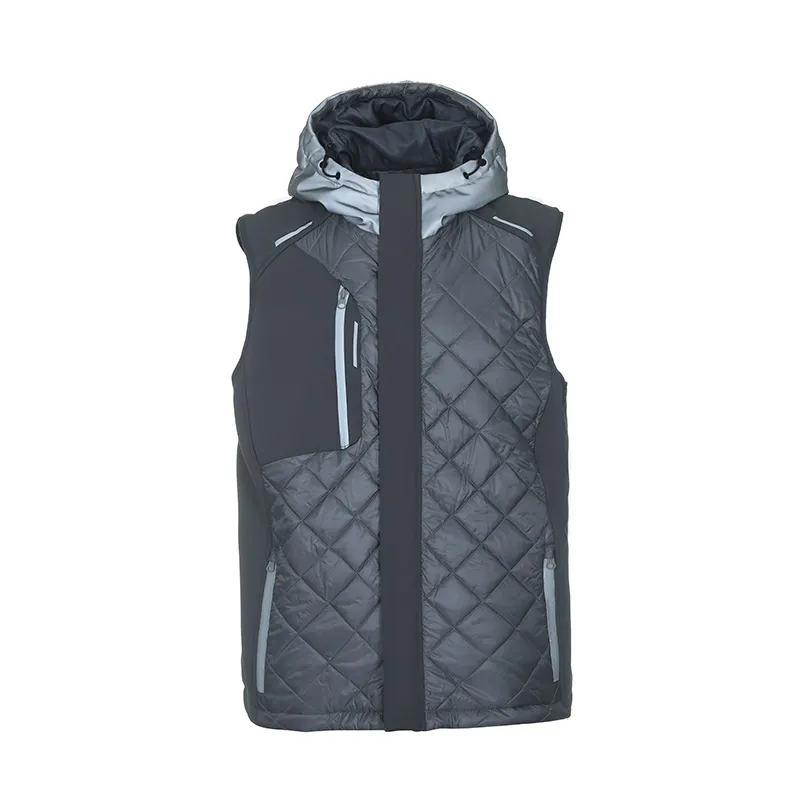
Hi vis garments are usually made in fluorescent colors such as yellow, orange, or red, combined with reflective strips that improve visibility in low-light or nighttime conditions. Common products include hi vis jackets, hi vis softshell vest, safety vests, and reflective trousers.
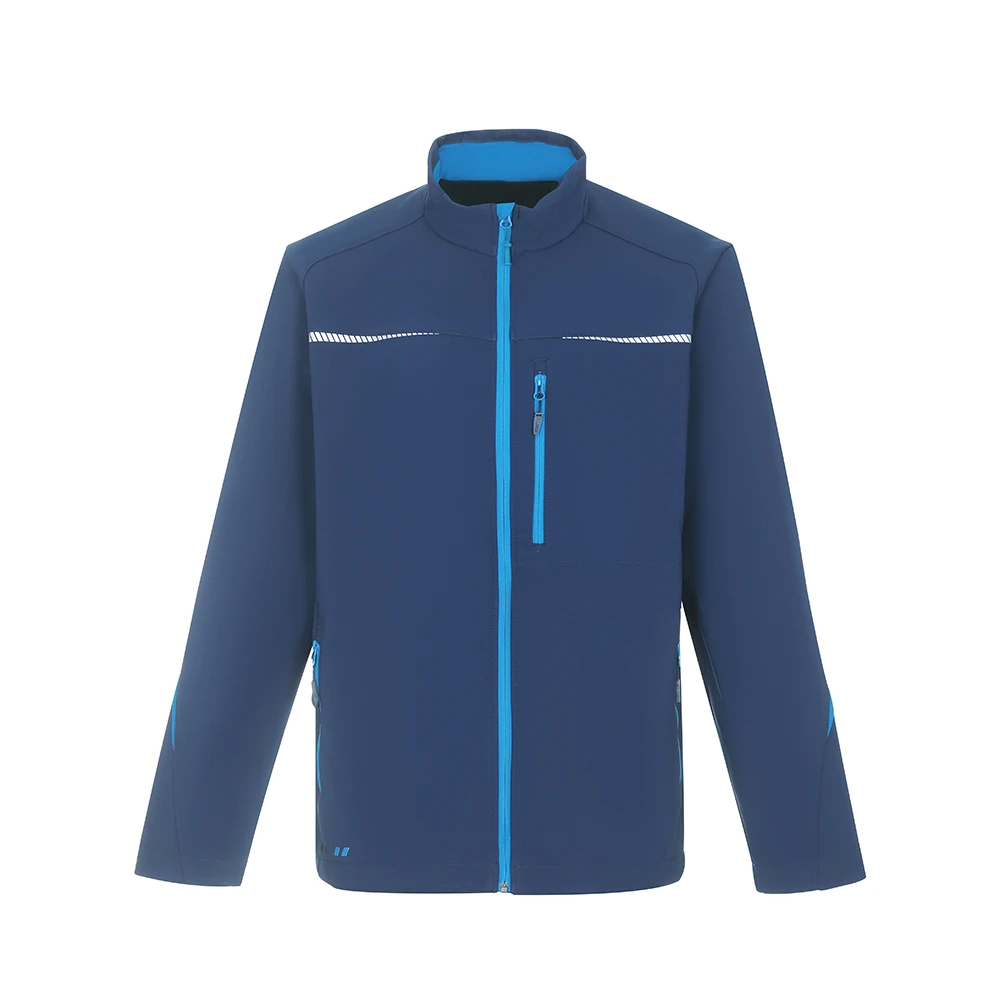
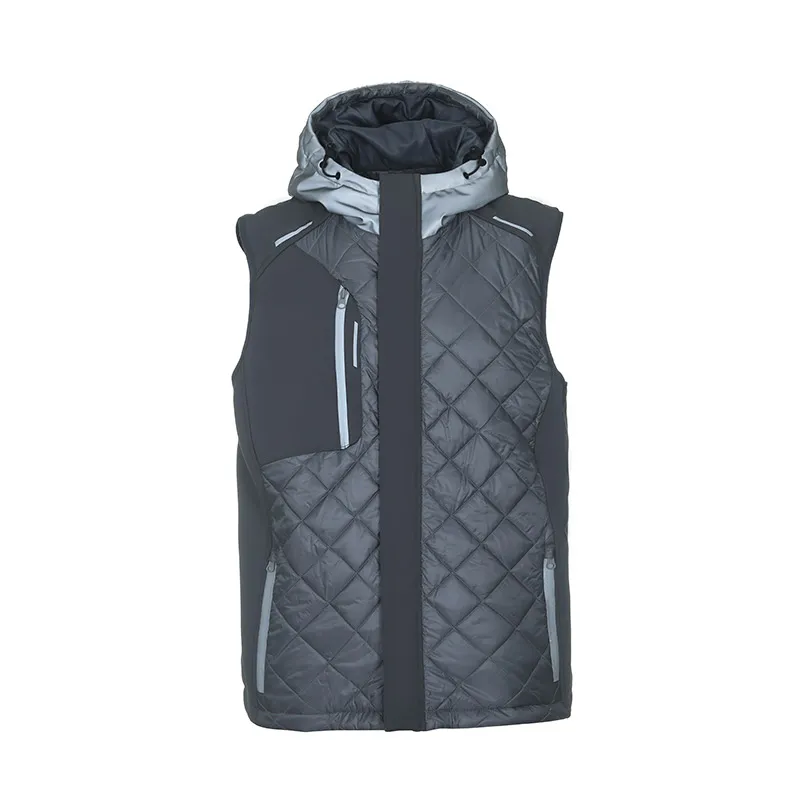
A key advantage of modern hi vis softshell vest designs is their balance between visibility and weather protection. Unlike traditional mesh vests, softshell versions offer wind resistance and light waterproofing, making them suitable for outdoor workers exposed to changing weather conditions.
In many countries, hi vis workwear must comply with standards such as ANSI/ISEA 107 or EN ISO 20471, ensuring that workers remain visible from a safe distance at all times.
2️⃣ Flame Resistant (FR) Workwear for Oil, Gas, and Electrical Industries
Flame resistant workwear is designed for industries where exposure to fire, heat, or electrical arcs is a risk. This includes oil and gas extraction, petrochemical plants, welding operations, and electrical maintenance work.
FR clothing is made from specially treated or inherently flame-resistant fabrics that self-extinguish when exposed to fire. Unlike regular fabrics that can melt or continue burning, FR materials help reduce burn injuries and provide critical seconds for workers to react in emergencies.
Common FR garments include coveralls, jackets, shirts, and trousers. Many companies also combine FR protection with hi vis elements, creating dual-purpose clothing that ensures both safety and visibility.
Durability is also a key factor, as FR workwear must maintain its protective properties even after repeated washing and heavy industrial use.
3️⃣ Chemical Protective Workwear for Laboratories and Manufacturing
Chemical protective workwear is essential in environments where workers handle hazardous substances, including laboratories, pharmaceutical production, and chemical manufacturing plants.
This type of safety clothing is designed to prevent skin contact with harmful liquids, gases, or particles. Materials such as PVC, neoprene, and specialized laminated fabrics are commonly used to create chemical-resistant suits, gloves, aprons, and boots.
Depending on the level of exposure, chemical protective workwear is categorized into different protection levels, ranging from light splash protection to fully sealed chemical suits for highly toxic environments.
Proper sealing, including elastic cuffs, zippers with protective flaps, and hooded designs, ensures maximum protection against contamination.
4️⃣ Cold Weather Workwear for Outdoor and Logistics Workers
Cold weather workwear is used in industries where employees are exposed to low temperatures for long periods, such as logistics, warehouse distribution, agriculture, and outdoor construction during winter.
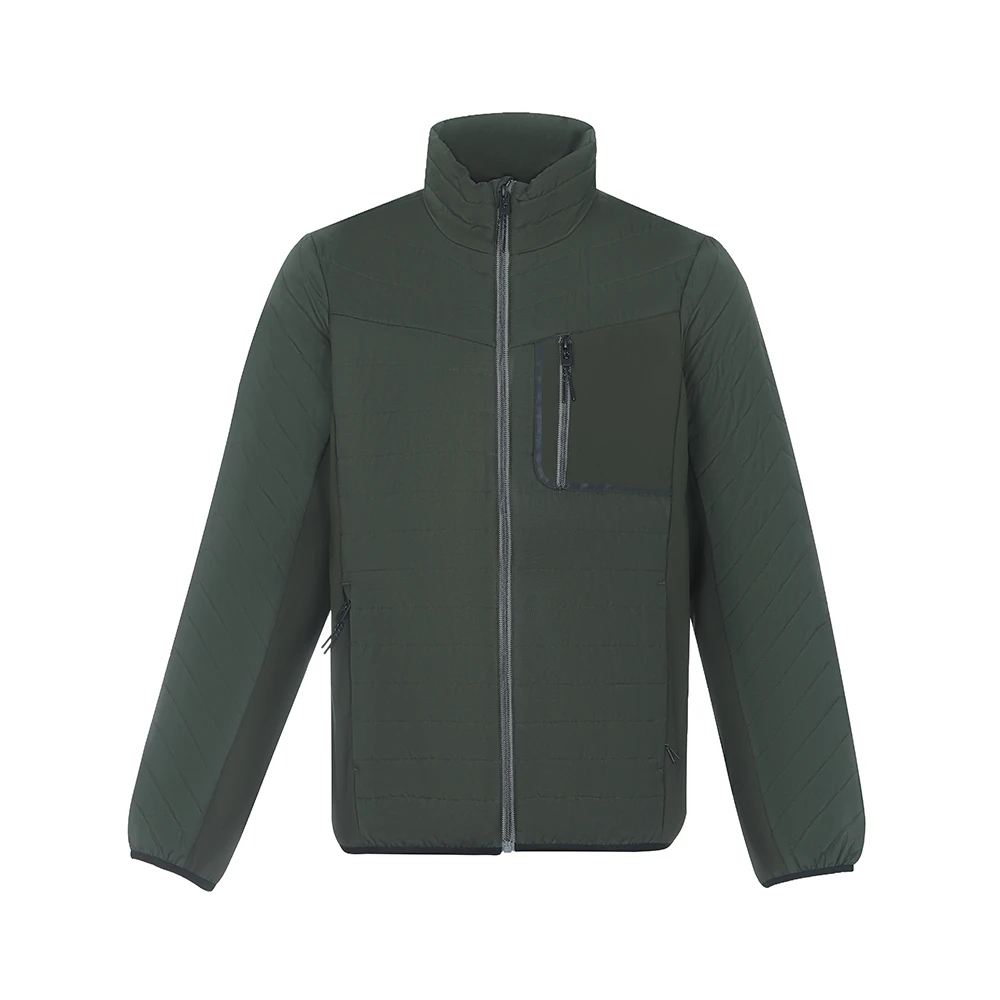
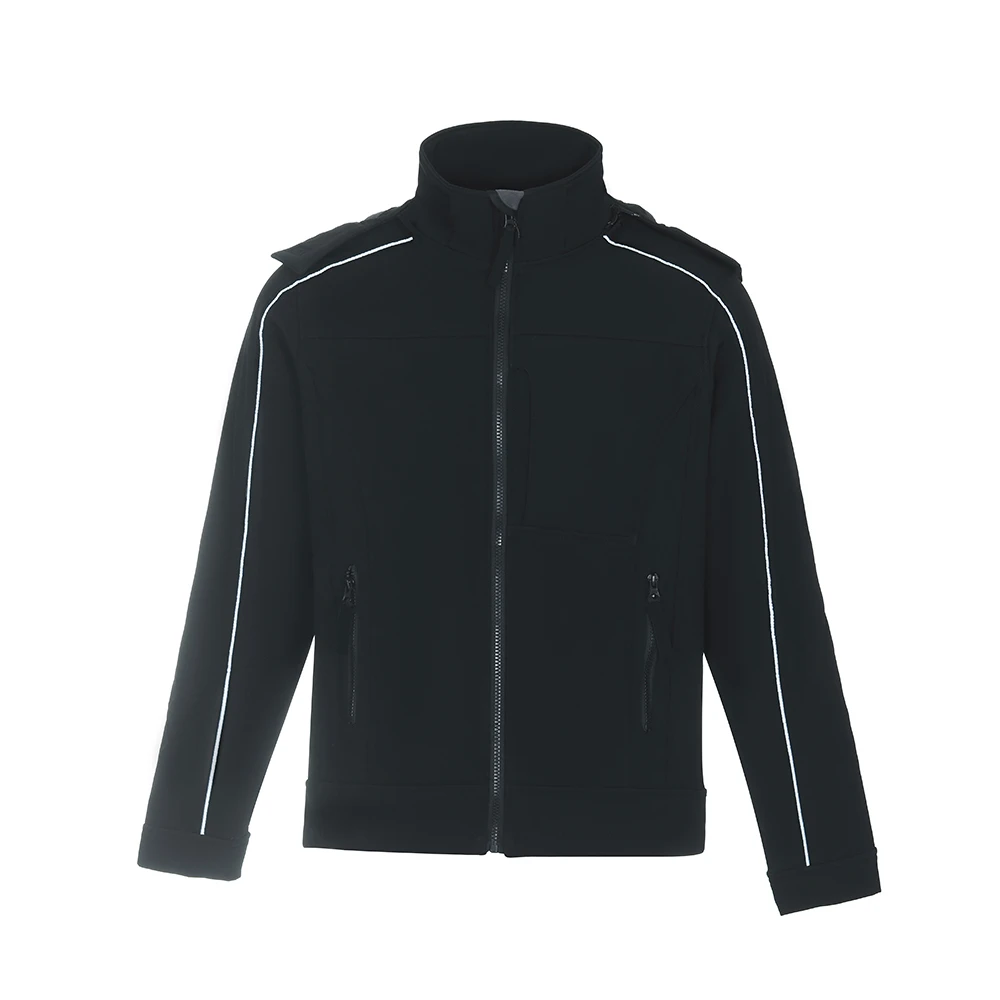
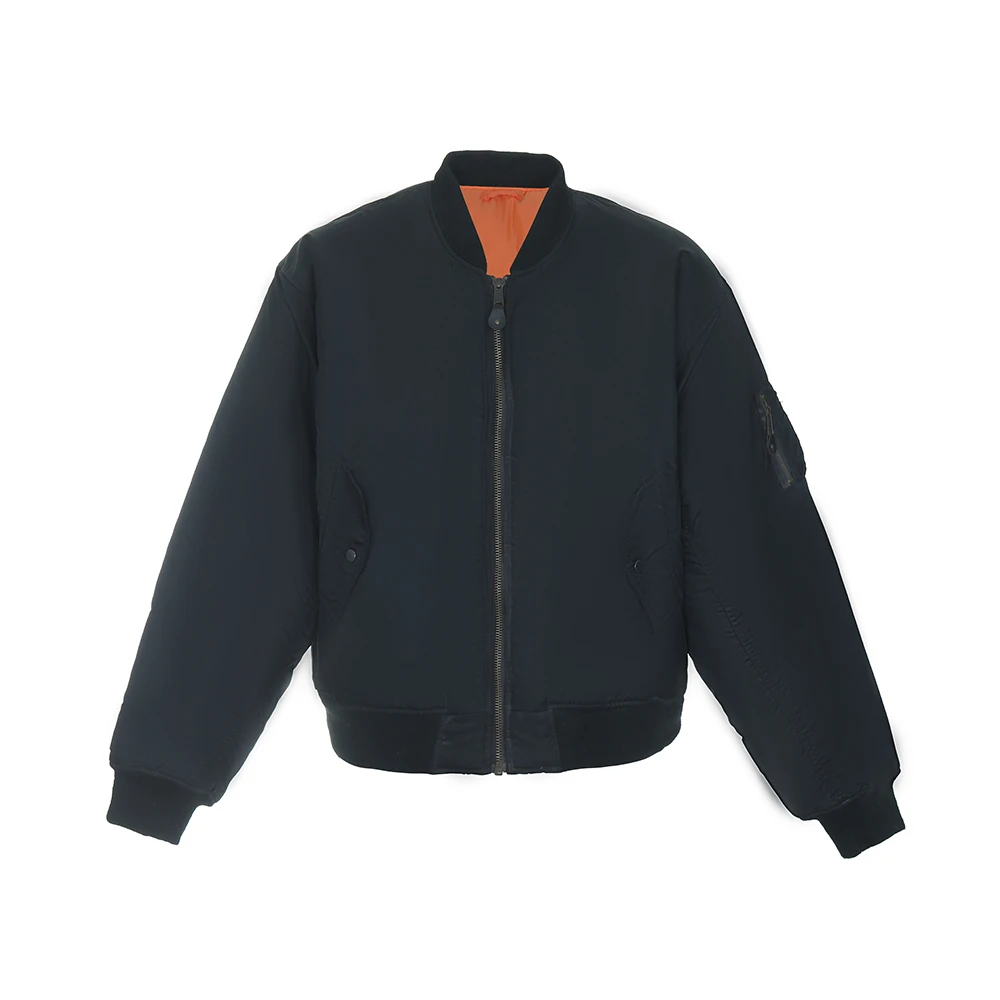
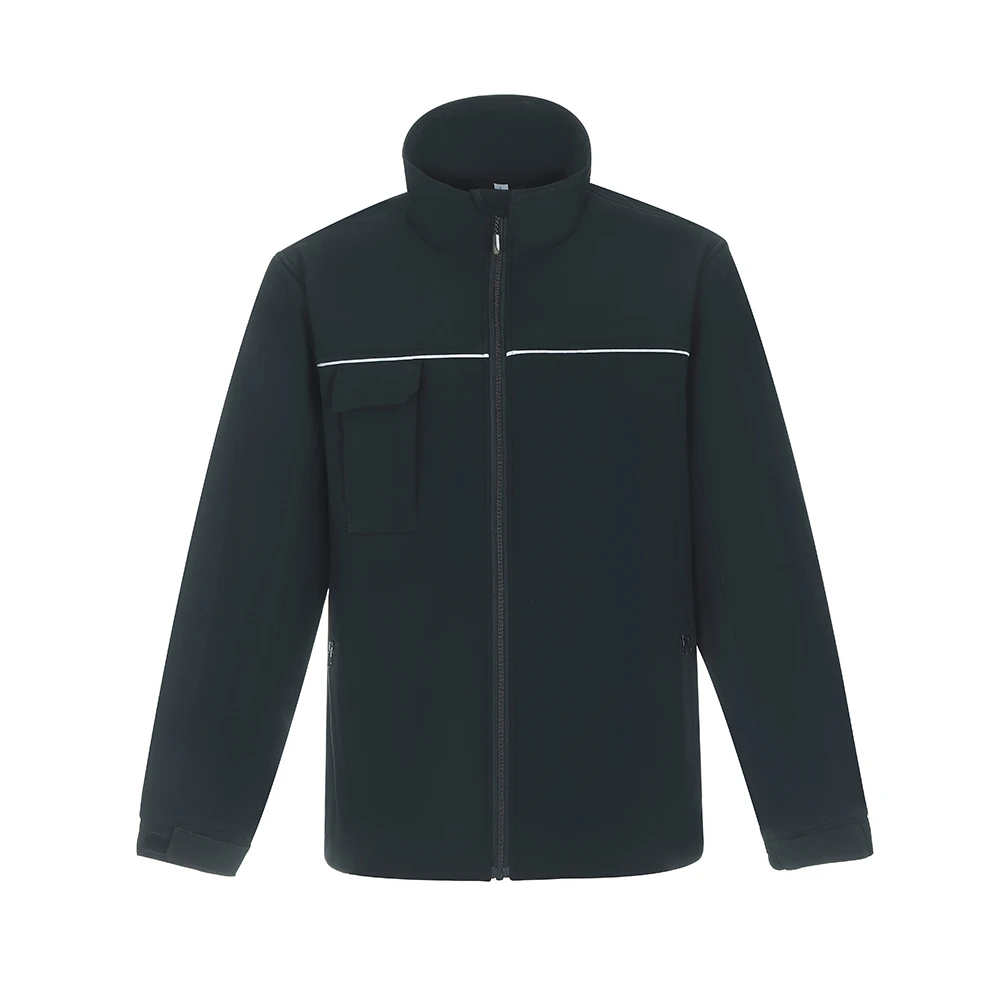
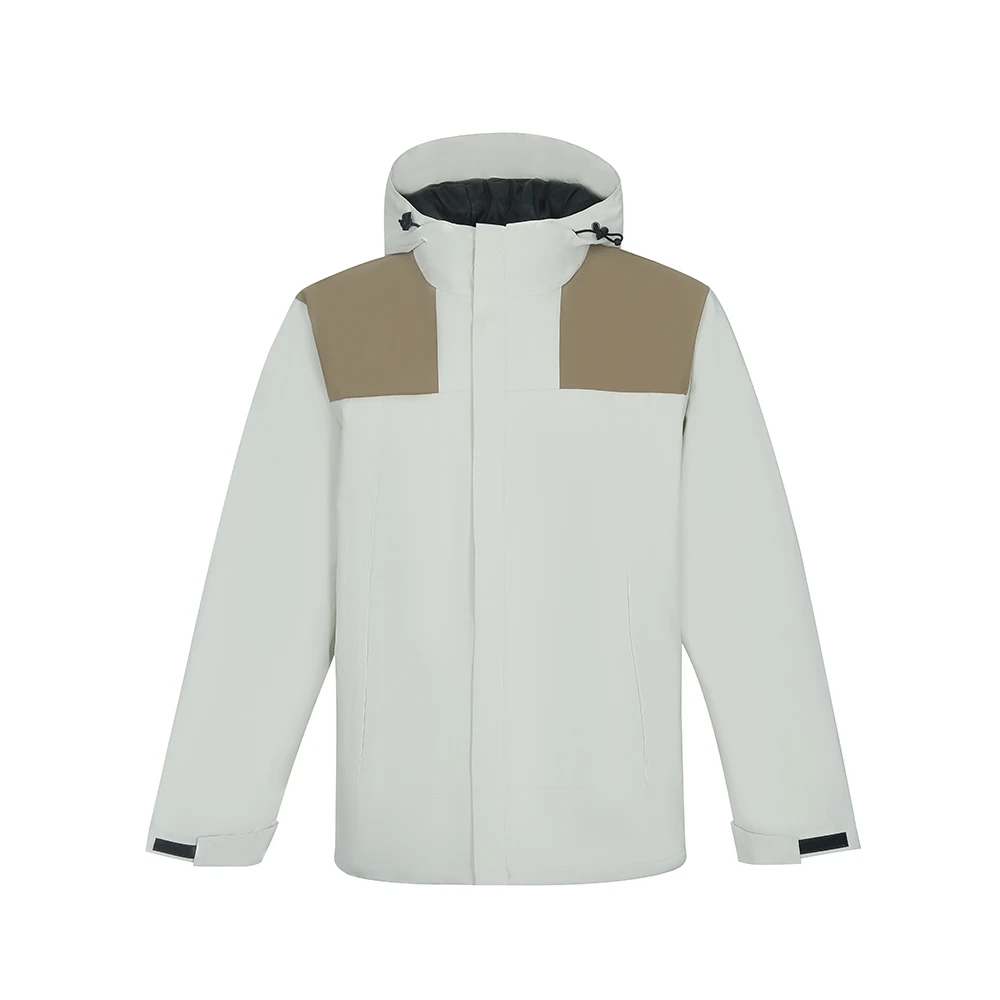
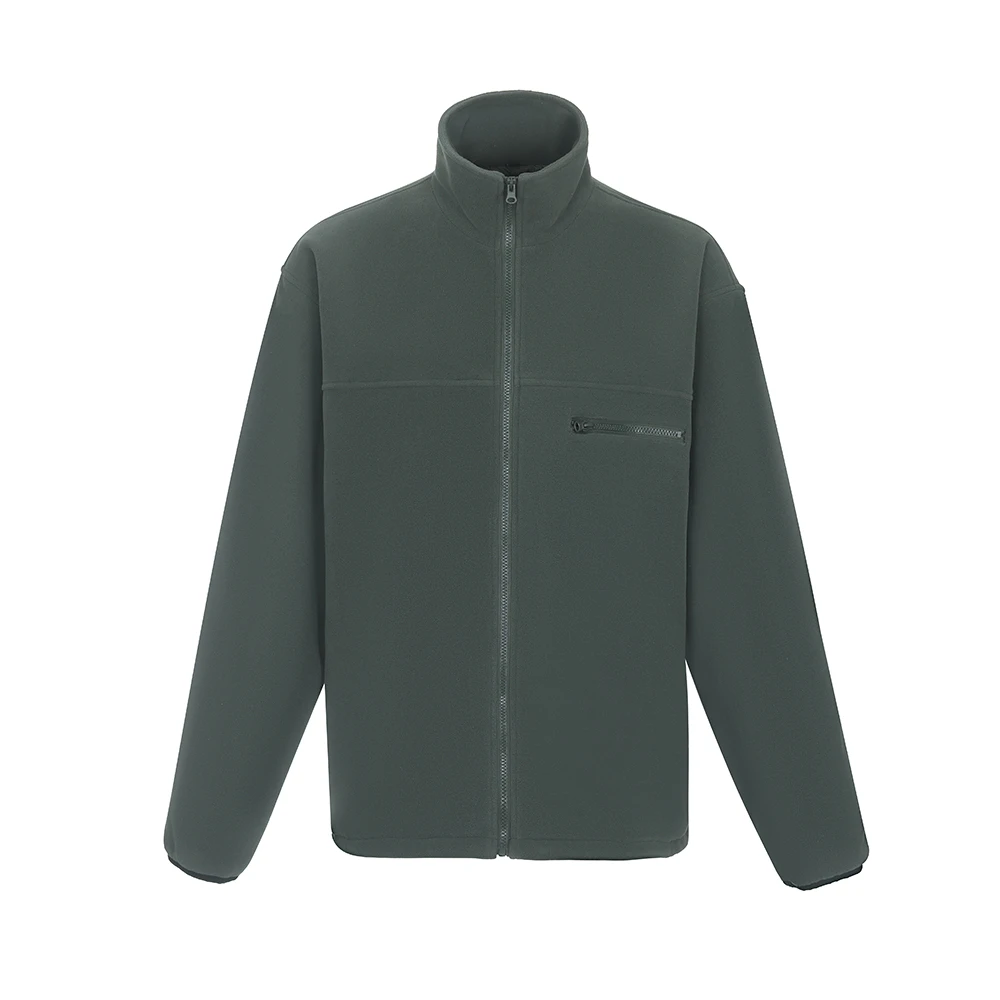
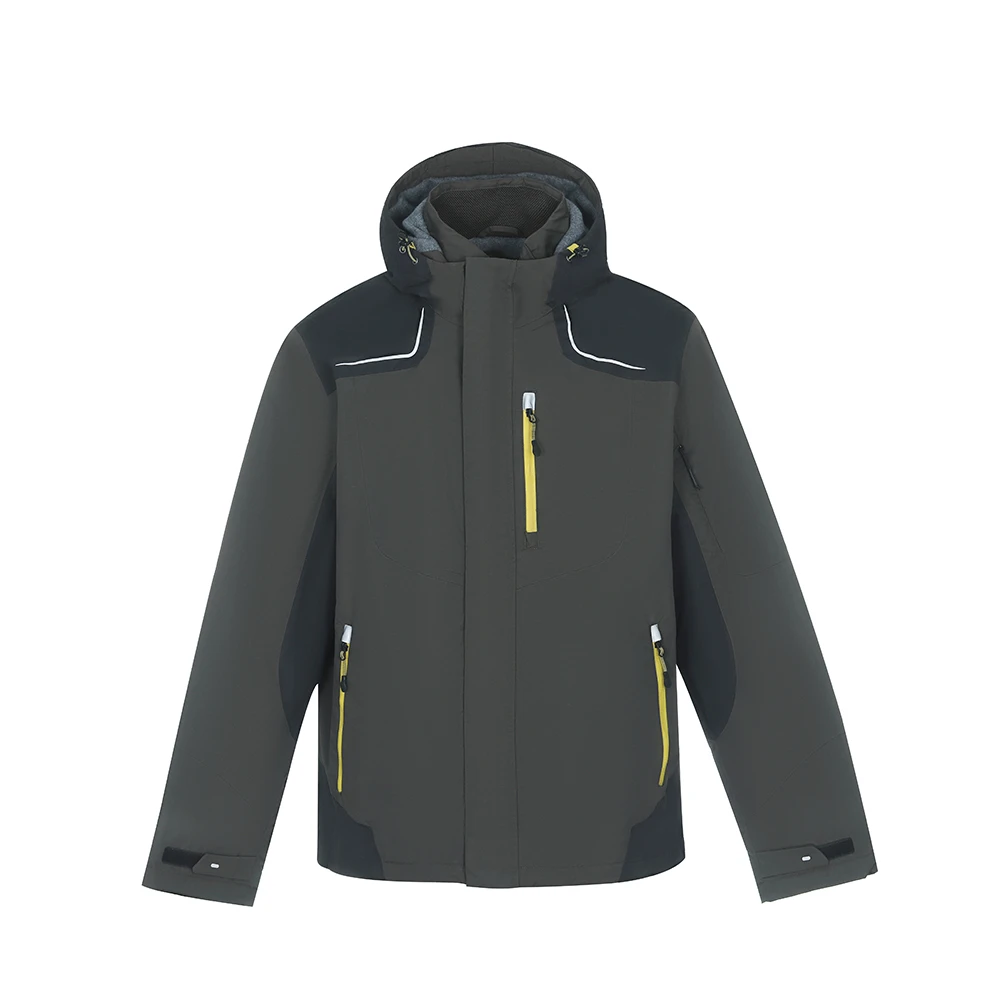
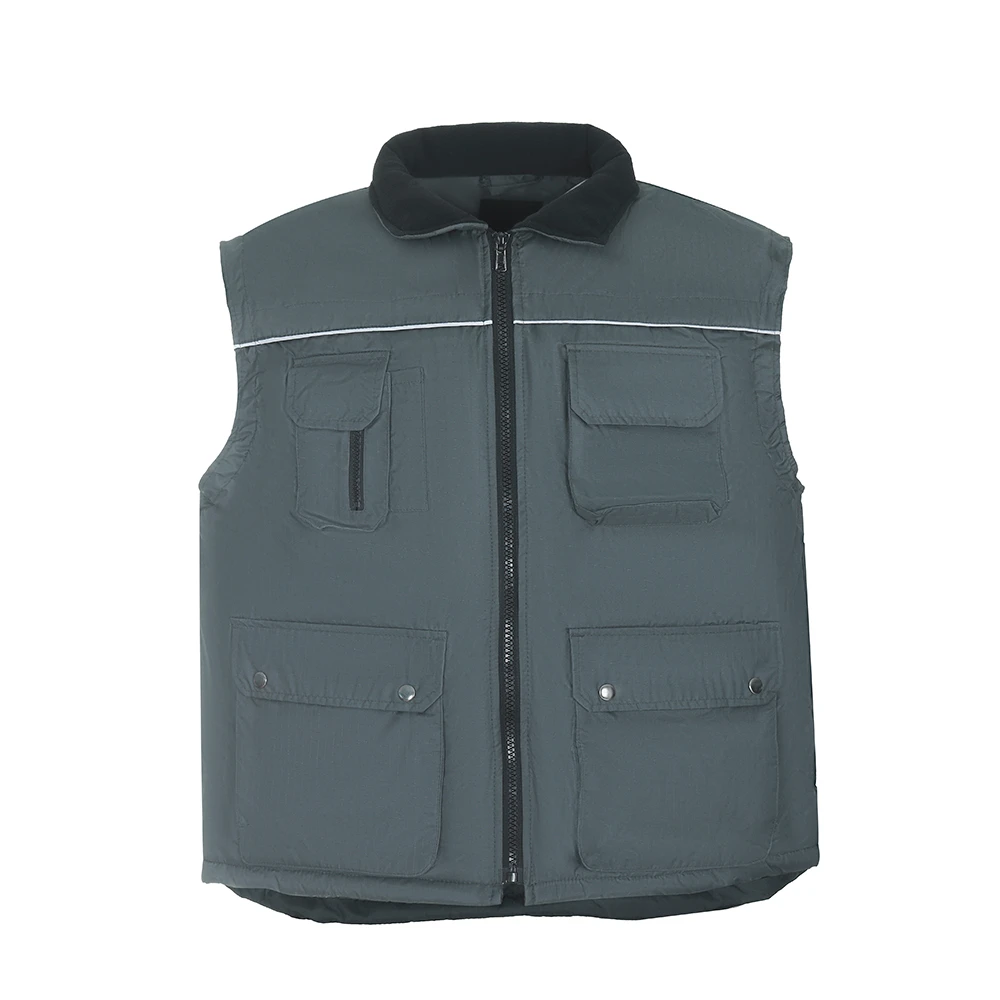
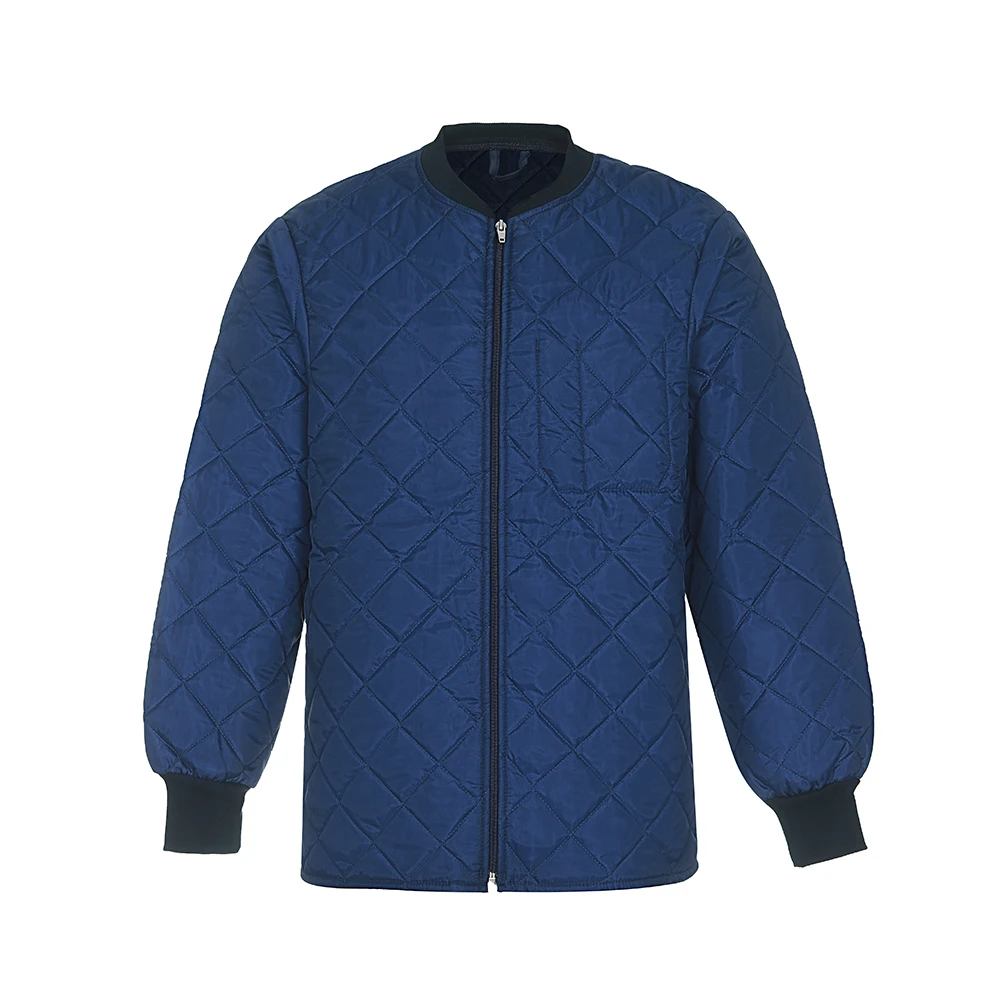
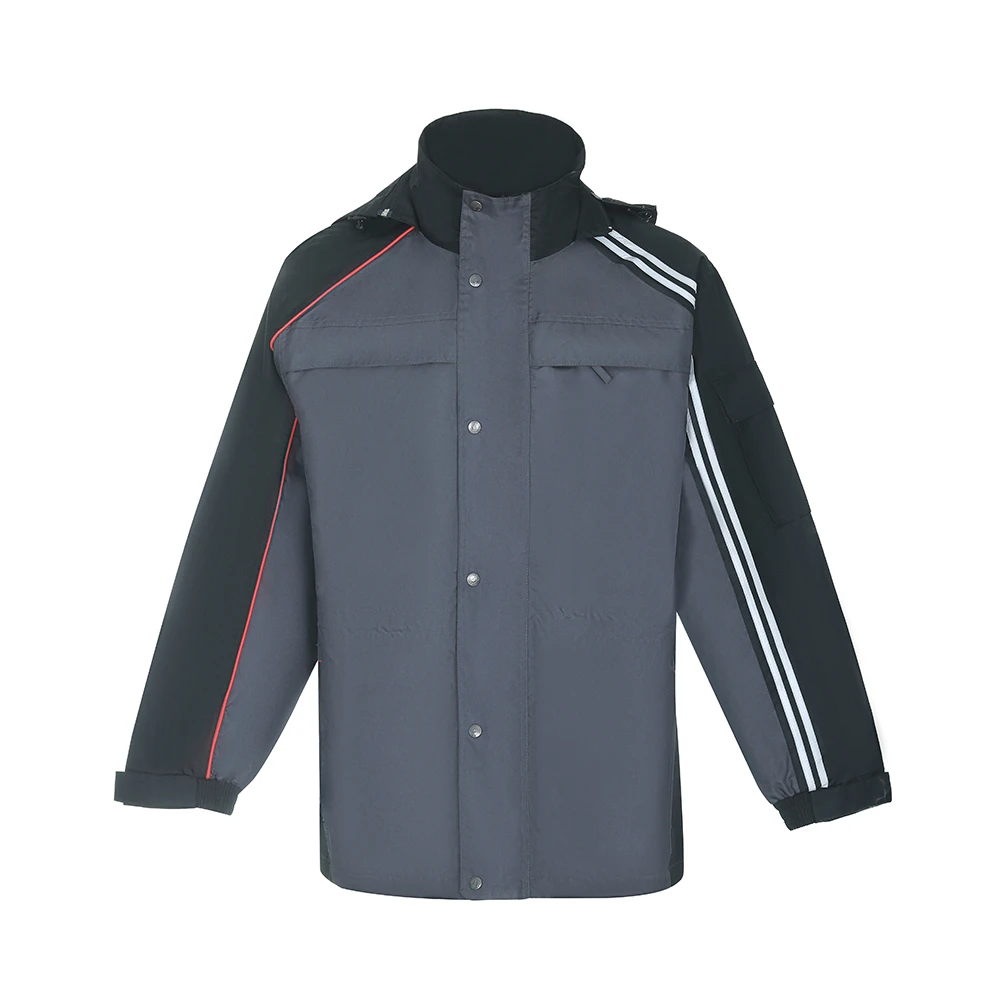
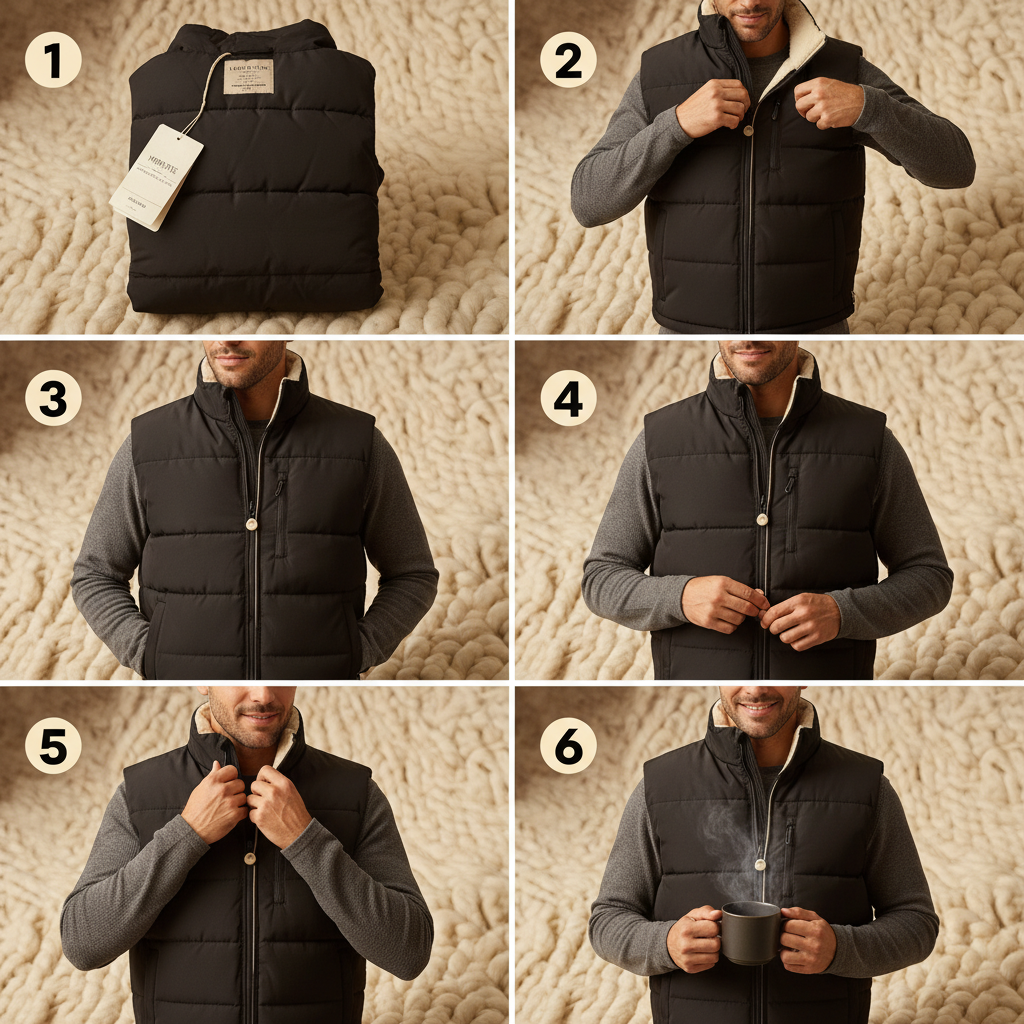
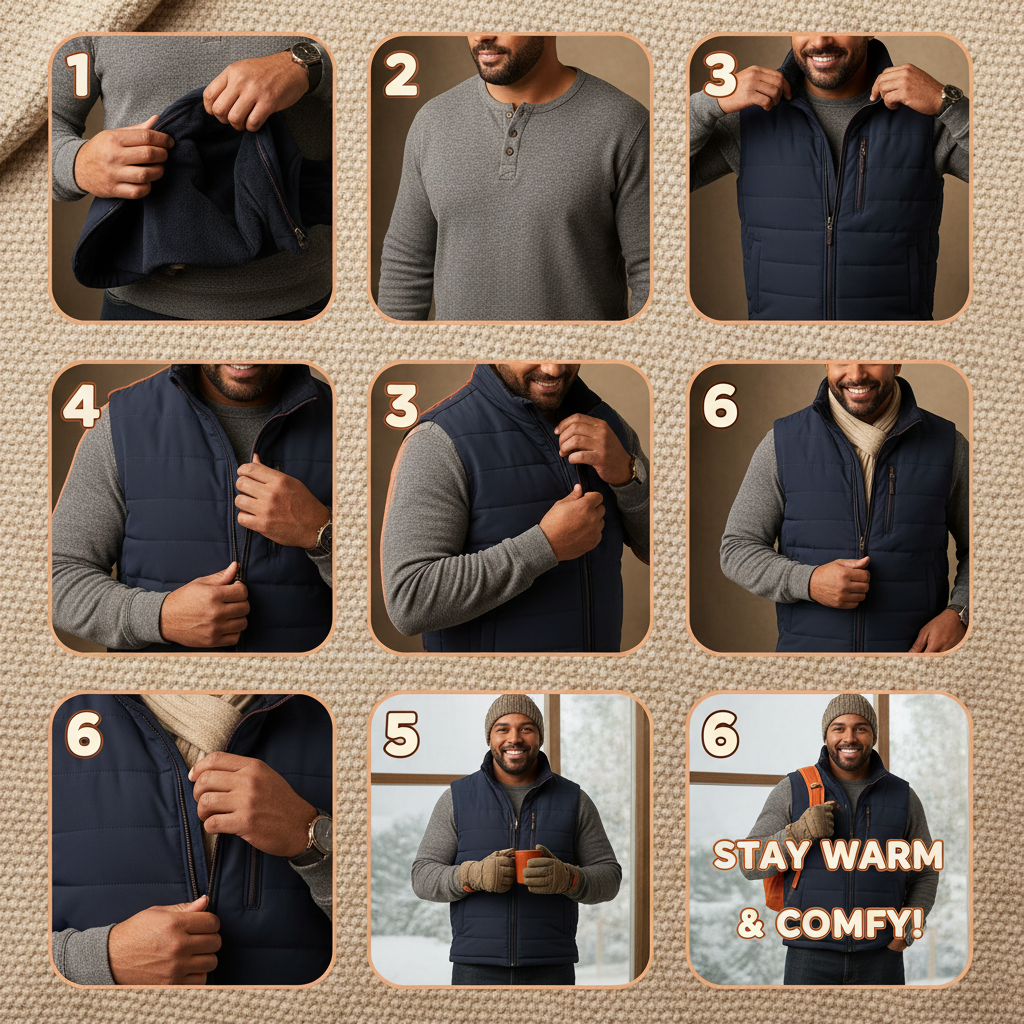
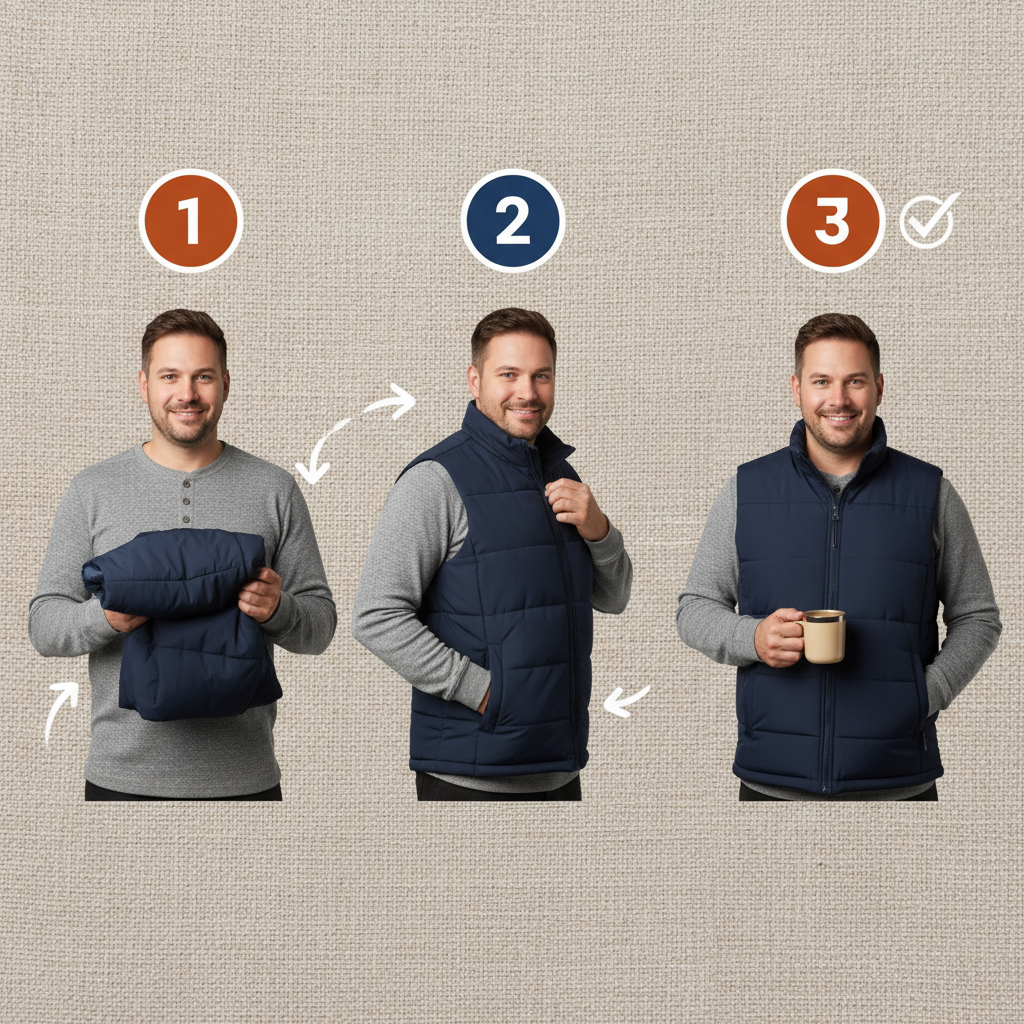
This category includes insulated jackets, thermal trousers, fleece-lined vests, and windproof softshell garments. A hi vis softshell vest is especially popular because it combines thermal comfort with high visibility, making it ideal for outdoor winter tasks.
The main purpose of cold weather workwear is to retain body heat while still allowing mobility. Multi-layer systems are often used, including moisture-wicking base layers, insulating mid-layers, and weather-resistant outer shells.
Good cold weather gear also helps prevent fatigue, which is a common risk when working in low temperatures for extended hours.
5️⃣ Electrical Safety Workwear for Utility and Power Industries
Electrical safety workwear is designed for workers exposed to electrical hazards such as power line technicians, utility maintenance workers, and electrical engineers.
The main focus of this type of workwear is insulation and arc flash protection. Materials are selected to reduce conductivity and prevent electrical currents from passing through the body.
Common items include arc-rated jackets, insulated gloves, flame-resistant clothing, and dielectric footwear. In high-risk environments, workers may also use full-body protective suits with integrated face shields.
Compliance with safety standards such as NFPA 70E is essential in this category, ensuring proper protection against electrical arc incidents.
6️⃣ Cleanroom Workwear for Pharmaceutical and Electronics Industries
Cleanroom workwear is used in environments that require strict contamination control, such as pharmaceutical manufacturing, semiconductor production, and biotechnology labs.
This type of clothing is designed to minimize particle release from the human body. Materials are typically lint-free, anti-static, and tightly woven to prevent contamination.
Common cleanroom garments include coveralls, hoods, masks, gloves, and shoe covers. Workers must follow strict dressing protocols to maintain sterile environments.
Cleanroom workwear is classified by ISO cleanliness standards, depending on the level of particle control required in the workspace.
7️⃣ Mechanical Protection Workwear for Manufacturing and Heavy Industry
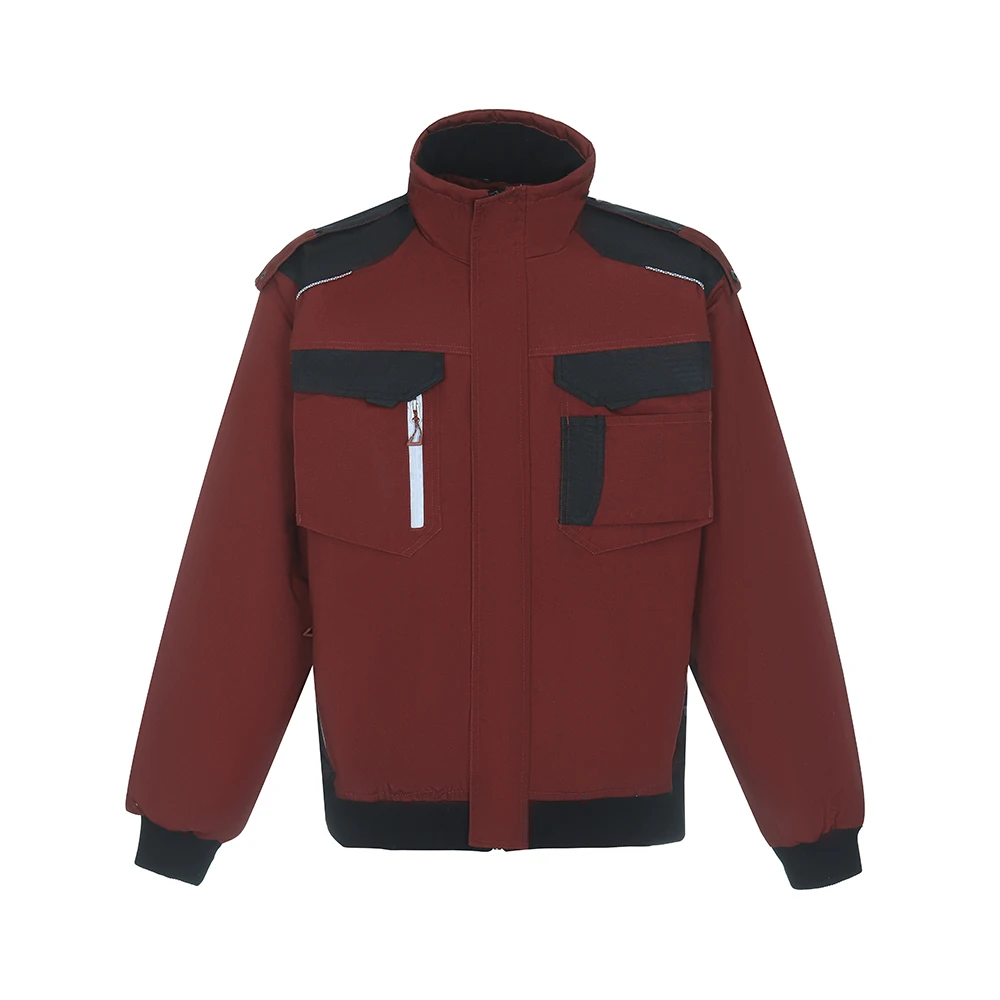
Mechanical protection workwear is used in industries where workers face physical hazards such as cuts, abrasions, and impact injuries. This includes manufacturing plants, metal fabrication, and heavy machinery operations.
Common protective items include reinforced gloves, cut-resistant sleeves, padded jackets, and durable trousers made from high-strength fabrics like Kevlar or ballistic nylon.
Some garments also integrate impact protection zones in high-risk areas such as shoulders, elbows, and knees.
The goal of mechanical protection workwear is to reduce injury risk while allowing flexibility and mobility during physically demanding tasks.
Conclusion
Safety workwear is not a one-size-fits-all solution. Each industry has its own unique risks, and the right protective clothing must be selected accordingly. From hi vis softshell vest for outdoor visibility and weather protection, to flame resistant and chemical protective clothing for high-risk environments, every type of safety garment plays an essential role in workplace protection.
As industries continue to evolve, modern workwear is also becoming more advanced—combining comfort, durability, compliance, and multi-functional protection. Choosing the right safety workwear is not only a regulatory requirement but also a key factor in improving worker safety, efficiency, and overall job performance.