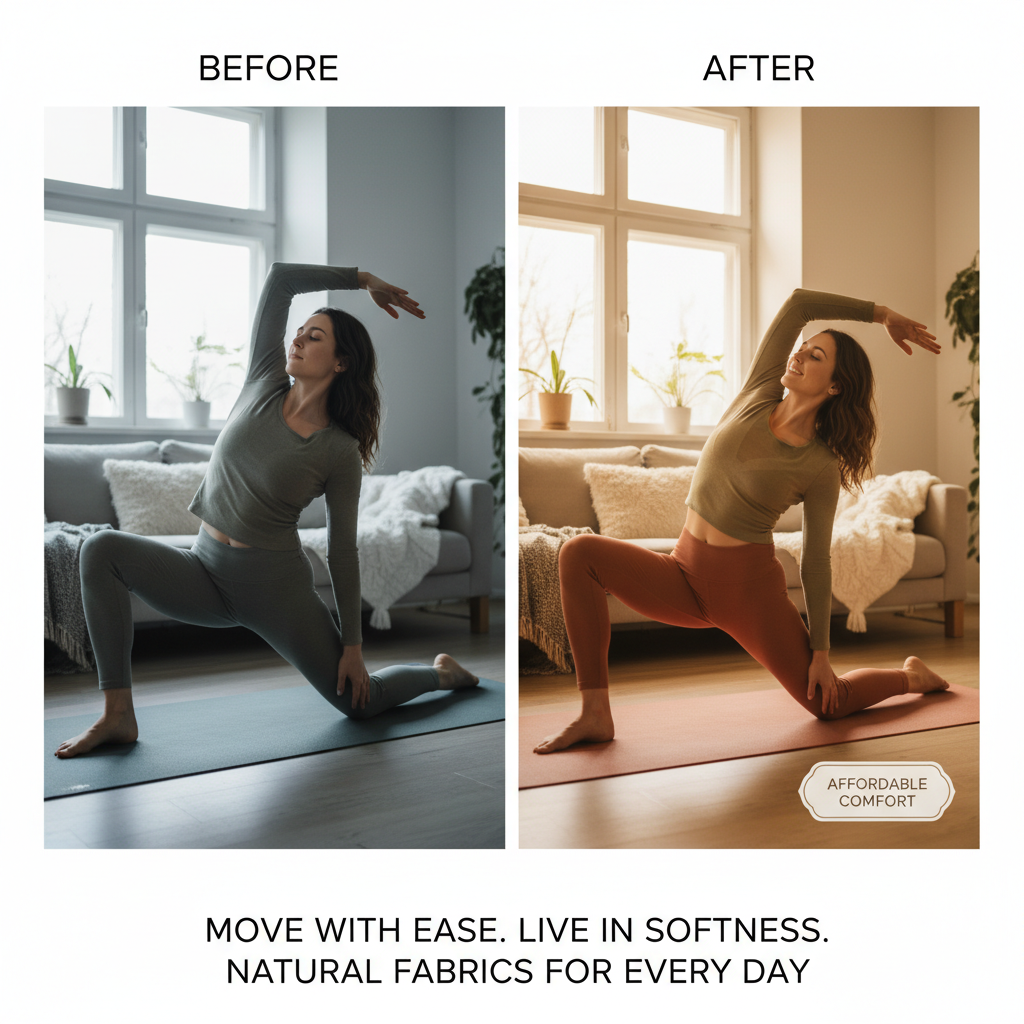
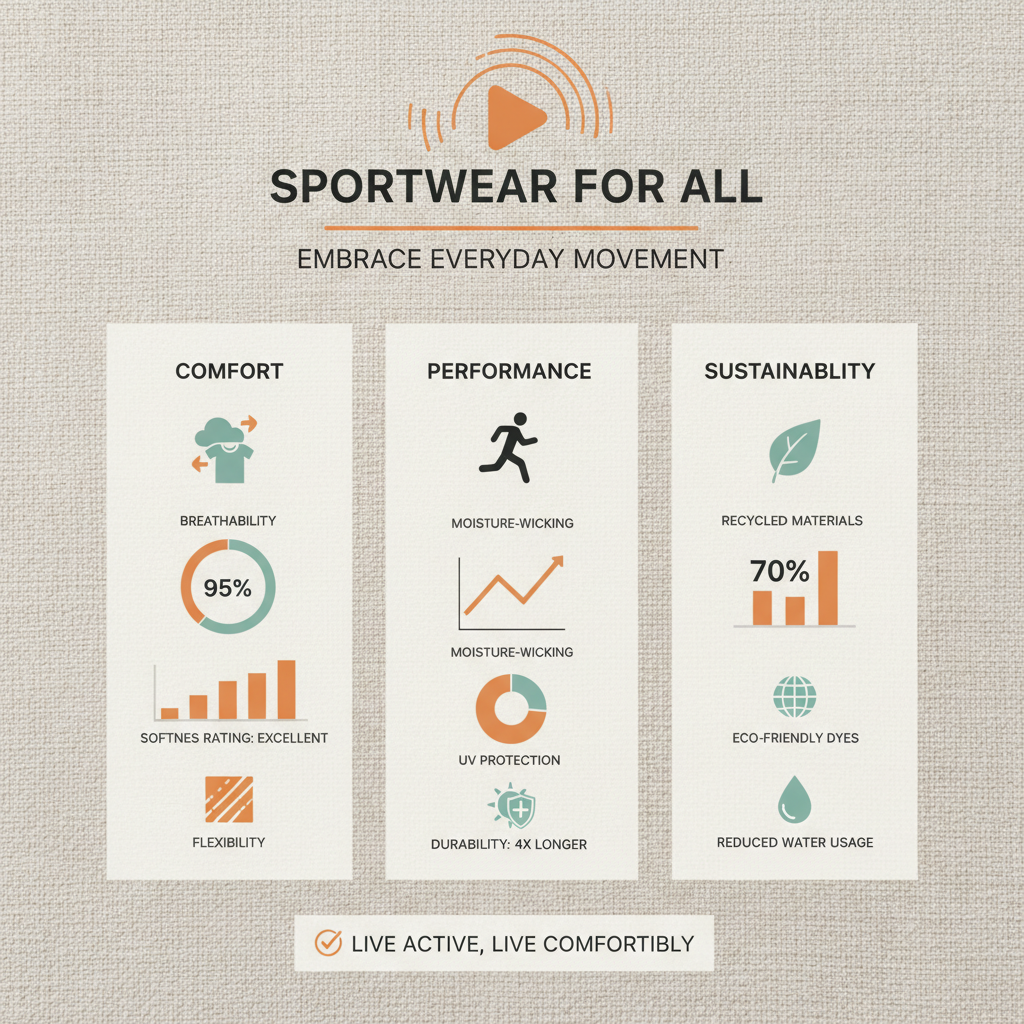
In the modern wellness landscape, the accessibility of high-quality athletic gear has become a pivotal factor in promoting a healthier global population. The rise of affordable yoga apparel has bridged the gap between luxury boutique fitness brands and the everyday practitioner, ensuring that financial constraints do not hinder one's journey toward physical and mental balance.
From a manufacturing perspective, the shift toward cost-effective yet high-performance textiles represents a triumph of material science and supply chain optimization. By leveraging advanced synthetic blends and streamlined production cycles, the industry can now offer garments that provide the necessary compression, moisture-wicking properties, and durability required for intense practice without the prohibitive price tags.
Understanding the nuances of this market is essential for both consumers and retailers. Whether it is integrated into sportswear or versatile outdoor wear, the demand for budget-friendly, high-performance gear continues to grow as yoga evolves from a niche practice into a mainstream global health standard.
The Global Impact of Accessible Activewear
The democratization of wellness is heavily dependent on the availability of affordable yoga apparel. According to recent health industry trends, the barrier to entry for mindfulness practices is often not the cost of the class, but the perceived need for specialized equipment and clothing. By reducing these costs, manufacturers are effectively supporting global health initiatives that align with WHO guidelines on physical activity.
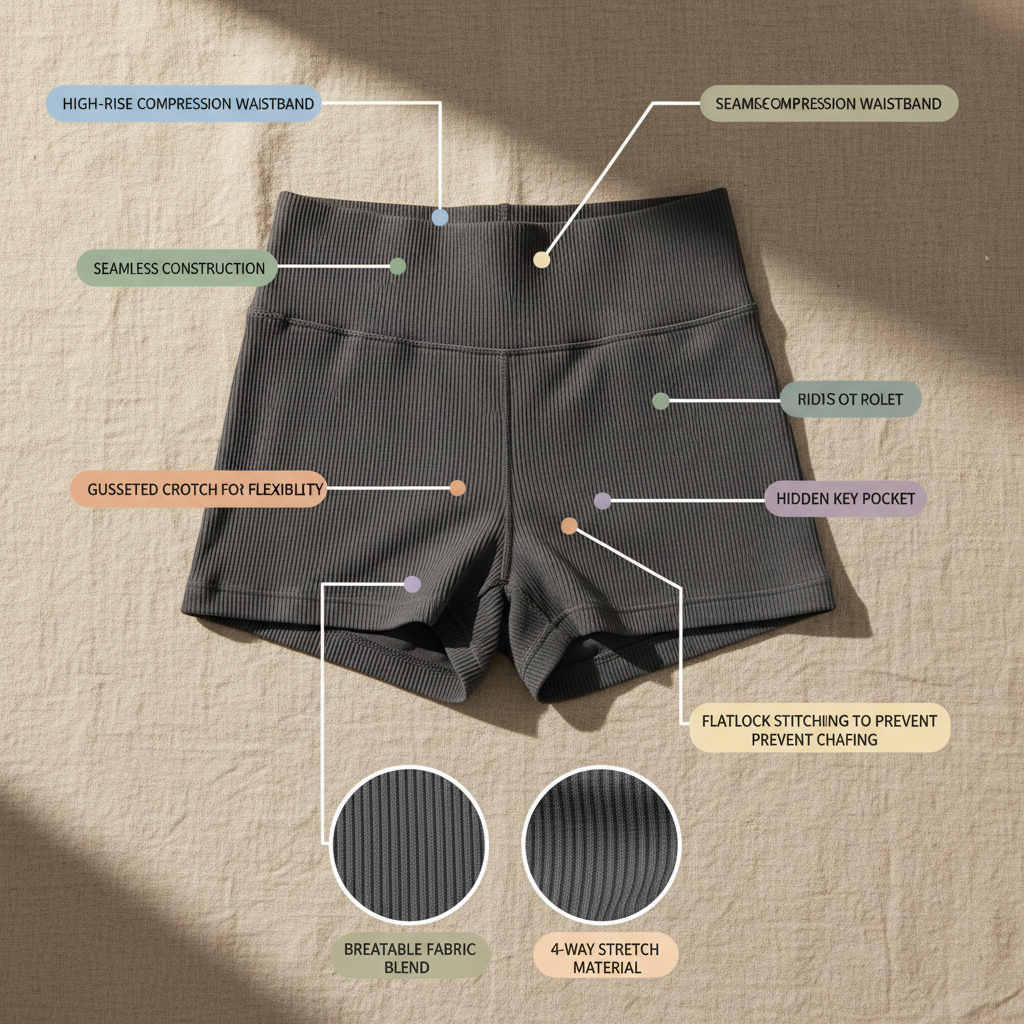
In emerging markets across Southeast Asia and Latin America, the influx of reasonably priced athletic wear has empowered millions to adopt active lifestyles. This shift is not merely about fashion; it is about providing the functional tools—such as four-way stretch fabrics and breathable seams—that prevent injury and enhance the user experience during complex asanas.
Defining Value in Performance Textiles
When we discuss affordable yoga apparel, "affordable" does not imply low quality. Instead, it refers to the optimization of the value chain. In the garment manufacturing sector, this is achieved by sourcing high-grade nylon and spandex blends in bulk and employing lean manufacturing techniques to reduce waste and overhead.
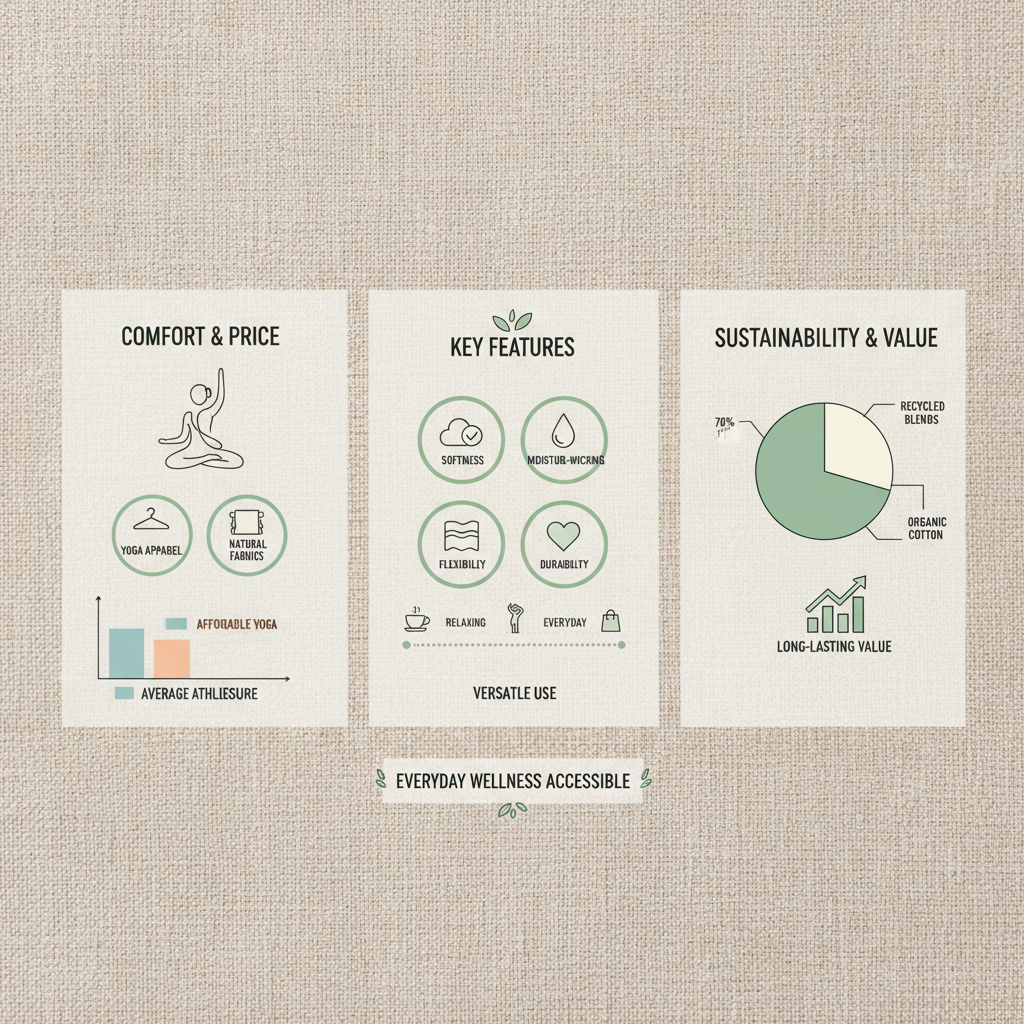
True value in this category is defined by the intersection of durability, comfort, and price. A garment is considered a success when it can withstand hundreds of wash cycles and high-tension stretches without losing its shape (recovery) or becoming sheer, all while remaining accessible to a middle-income consumer base.
Furthermore, the connection to modern industry needs is evident in the move toward "athleisure." Clothing that functions both in a yoga studio and in a professional casual setting increases the utility per dollar spent, making the purchase a logical investment for the consumer.
Core Components of Budget-Friendly Gear
The first critical factor is Fabric Composition. To maintain affordable yoga apparel standards, manufacturers often use a precise ratio of polyester and elastane, ensuring the fabric is moisture-wicking and flexible without the cost of proprietary luxury blends.
Seam Integrity is the second pillar. Using flat-lock stitching prevents chafing and increases the lifespan of the garment. By automating this process through advanced CNC sewing machines, factories can maintain high precision and low cost simultaneously.
Finally, Ergonomic Design ensures that the apparel fits a diverse range of body types. Standardized sizing charts combined with high-stretch materials allow for a "one-size-fits-most" efficiency that reduces inventory waste and keeps retail prices low.
Market Applications and Use Cases
The application of budget-friendly activewear extends far beyond the studio. In corporate wellness programs, companies are providing affordable yoga apparel as part of employee health packages, encouraging a culture of mindfulness and stress reduction in high-pressure work environments.
Additionally, in remote industrial zones where workers face high physical stress, the adoption of yoga-inspired stretch fabrics in workwear has improved mobility and safety. The transition from rigid uniforms to flexible, breathable materials demonstrates the versatility of these textile innovations.
Comparative Performance of Affordable Yoga Apparel Options
Long-Term Value and Sustainability
The long-term value of affordable yoga apparel lies in its ability to foster consistent habits. When the cost of entry is low, users are more likely to commit to a long-term practice, leading to tangible improvements in cardiovascular health and mental resilience.
From an environmental perspective, the industry is pivoting toward "circular affordability." This involves using recycled ocean plastics (rPET) to create low-cost fabrics, proving that affordability and sustainability are not mutually exclusive but can actually reinforce one another through scaled production.
Future Innovations in Low-Cost Apparel
The next frontier for affordable yoga apparel is the integration of smart textiles. We are seeing the early stages of low-cost conductive threads that can monitor posture or heart rate, bringing bio-feedback technology to the masses without the premium "luxury" markup.
Automation in 3D knitting is also set to revolutionize cost structures. By knitting entire garments in one piece, manufacturers can eliminate fabric waste entirely and reduce labor costs, allowing for even more competitive pricing while increasing the garment's seamless comfort.
Furthermore, the shift toward digital-first fitting rooms and AI-driven size recommendations is reducing the rate of returns. This operational efficiency allows brands to pass the savings directly to the consumer, further lowering the price of high-quality gear.
Overcoming Common Manufacturing Challenges
One of the primary challenges in producing affordable yoga apparel is maintaining opacity (preventing the "sheer" effect) during deep stretches. This is often a result of using lower-denier yarns to save costs. The solution lies in optimized knitting densities and the use of interlock weaves.
Another hurdle is the balance between fast fashion cycles and garment longevity. To combat this, experts suggest a "core collection" strategy—focusing on timeless designs and high-durability fabrics that resist pilling and fading, thereby offering the customer a lower cost-per-wear.
Supply chain volatility also poses a risk. By diversifying raw material sources and adopting localized manufacturing hubs, brands can avoid the shipping spikes that typically drive up the retail price of budget activewear.
Comparative Analysis of Manufacturing Approaches for Budget Yoga Gear
| Production Method |
Material Cost |
Durability Score |
Market Accessibility |
| Standard Polyester Blend |
Low |
6/10 |
Very High |
| Recycled Nylon (rPET) |
Medium |
8/10 |
High |
| Interlock Knit Fabric |
Medium |
9/10 |
Medium |
| Bamboo-Spandex Mix |
Medium-High |
7/10 |
Medium |
| Compressed Warp Knit |
Low-Medium |
8/10 |
High |
| Organic Cotton Blend |
Medium |
5/10 |
High |
FAQS
Yes. Squat-proof quality depends on the knitting density and the fabric blend, not the price tag. By looking for "interlock" weaves and a higher percentage of nylon/spandex, you can find budget-friendly options that remain completely opaque during deep stretches.
Check for certifications such as GRS (Global Recycled Standard) or OEKO-TEX. Many affordable brands now use rPET (recycled polyester) to keep costs down while reducing environmental impact, which is usually listed in the material composition section.
Not necessarily. While luxury brands may use specialized proprietary fibers, high-quality affordable gear uses industry-standard performance blends that offer similar durability. The key is checking for reinforced seams and high elastic recovery rates.
A nylon-spandex blend is generally the best choice. It provides the best balance of moisture-wicking, stretch, and durability, making it a versatile option for yoga, gym workouts, and general activewear.
Avoid using fabric softeners, which can break down the elastic fibers (spandex) over time. Wash your apparel in cold water and air dry them to maintain the compression and fit of the garment.
Yoga apparel specifically focuses on maximum flexibility and a "second-skin" feel to avoid distraction during poses. General sportswear may have more structured support (like high-impact bras) but slightly less omni-directional stretch.
Conclusion
The rise of affordable yoga apparel is more than a market trend; it is a significant step toward making holistic wellness accessible to everyone. By optimizing manufacturing processes and embracing sustainable material science, the industry has proven that high performance does not have to come with a high price tag.
Looking forward, the continued integration of smart fabrics and eco-friendly production will further enhance the value proposition of budget activewear. We encourage practitioners and businesses alike to prioritize functional quality and sustainability over brand prestige. Visit our website for more professional insights: www.qsclothing.com