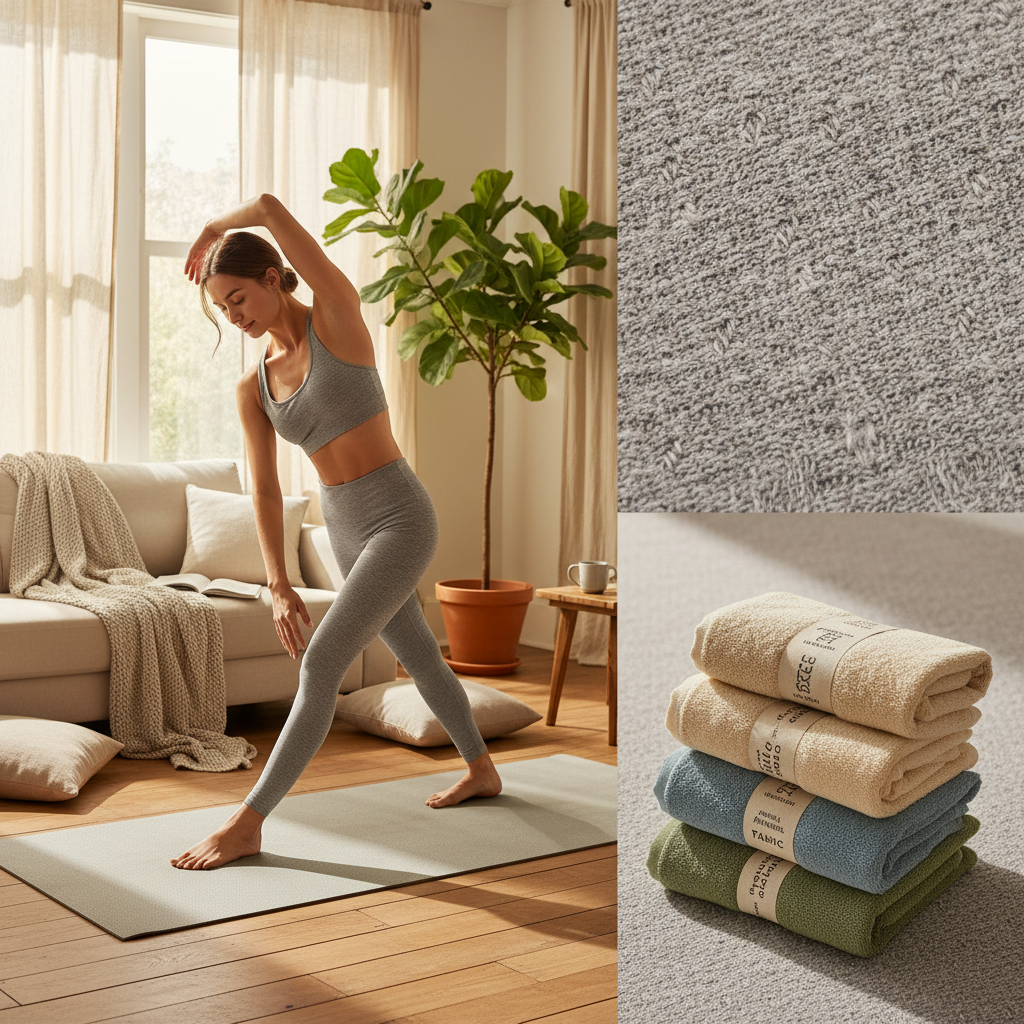
High waist yoga pants have surged in popularity globally, becoming a staple in wardrobes ranging from fitness enthusiasts to those seeking comfortable everyday wear. This trend isn't merely a fashion statement; it reflects a growing awareness of the benefits of supportive, high-waisted designs, particularly during physical activity. The demand for these pants has created a thriving industry, with continuous innovation in fabrics, styles, and functionalities.
The global market for athletic wear, including high waist yoga pants, is experiencing significant growth. Reports indicate a multi-billion dollar industry, fueled by increasing participation in fitness activities and a rising focus on health and wellness. This is particularly evident in regions like North America, Europe, and Asia-Pacific, where active lifestyles are becoming increasingly prevalent. The comfort and versatility of high waist yoga pants contribute significantly to their widespread adoption.
However, this popularity also presents challenges. Consumers are increasingly discerning, demanding sustainable and ethically produced clothing. Brands must address concerns about environmental impact and fair labor practices to maintain a competitive edge. The need for innovation extends beyond style, encompassing materials that offer superior performance, breathability, and durability, while remaining eco-friendly.
The Rise of High Waist Yoga Pants
The recent surge in the popularity of high waist yoga pants can be attributed to a confluence of factors. A growing emphasis on fitness and wellness, combined with a desire for comfortable yet stylish clothing, has propelled these pants to the forefront of the activewear market. The higher waistband provides a secure and supportive fit, appealing to a wide range of body types and activity levels. High waist yoga pants are no longer confined to the yoga studio.
Social media and influencer marketing have played a significant role in promoting this trend, showcasing the versatility and flattering fit of high waist designs. The aesthetic appeal, coupled with practical benefits like tummy control and enhanced range of motion, has resonated with consumers globally, creating a sustained demand for these comfortable and functional garments.
Defining High Waist Yoga Pants
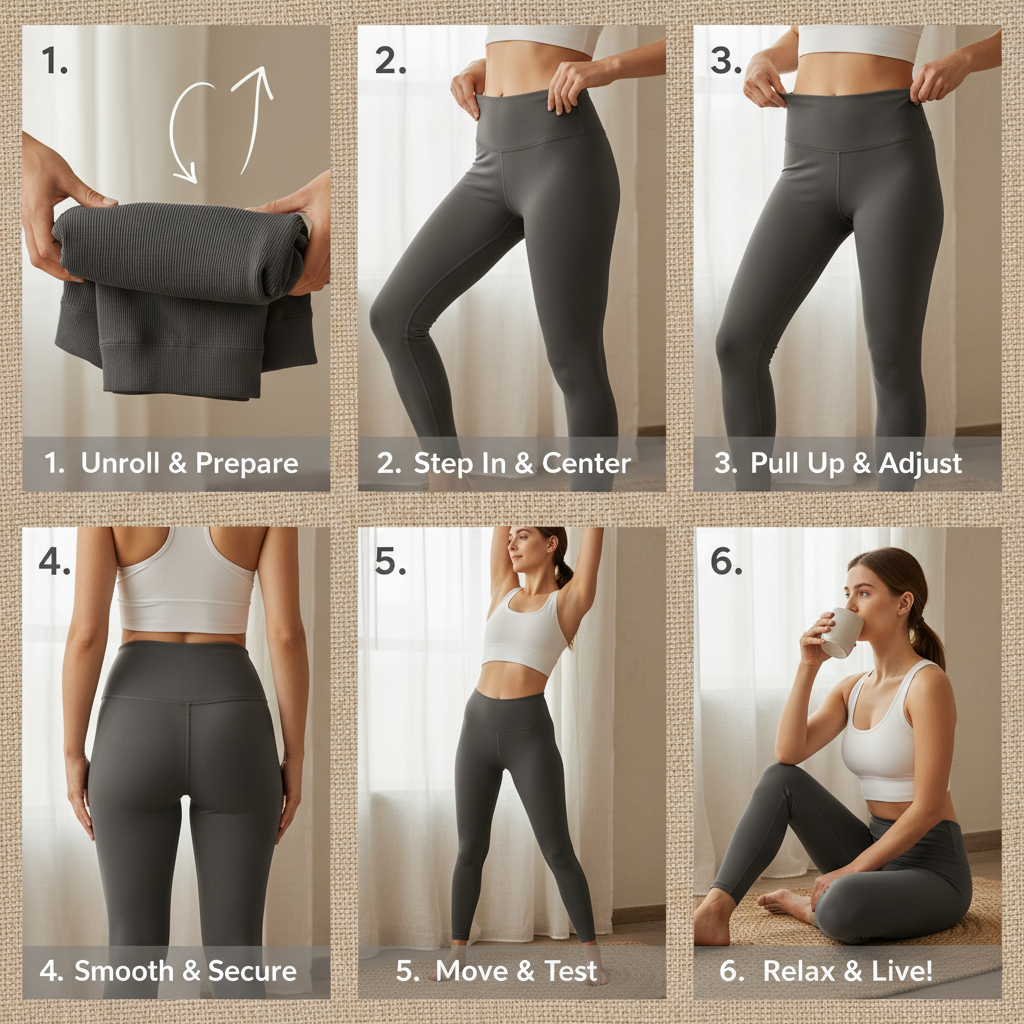
High waist yoga pants are defined by their waistband, which sits several inches above the natural waistline. This design differs significantly from traditional yoga pants, which typically feature a lower rise. The higher waistband offers several key advantages, including enhanced support for the core, a more secure fit during dynamic movements, and a slimming effect on the abdomen. High waist yoga pants are engineered for performance and comfort.
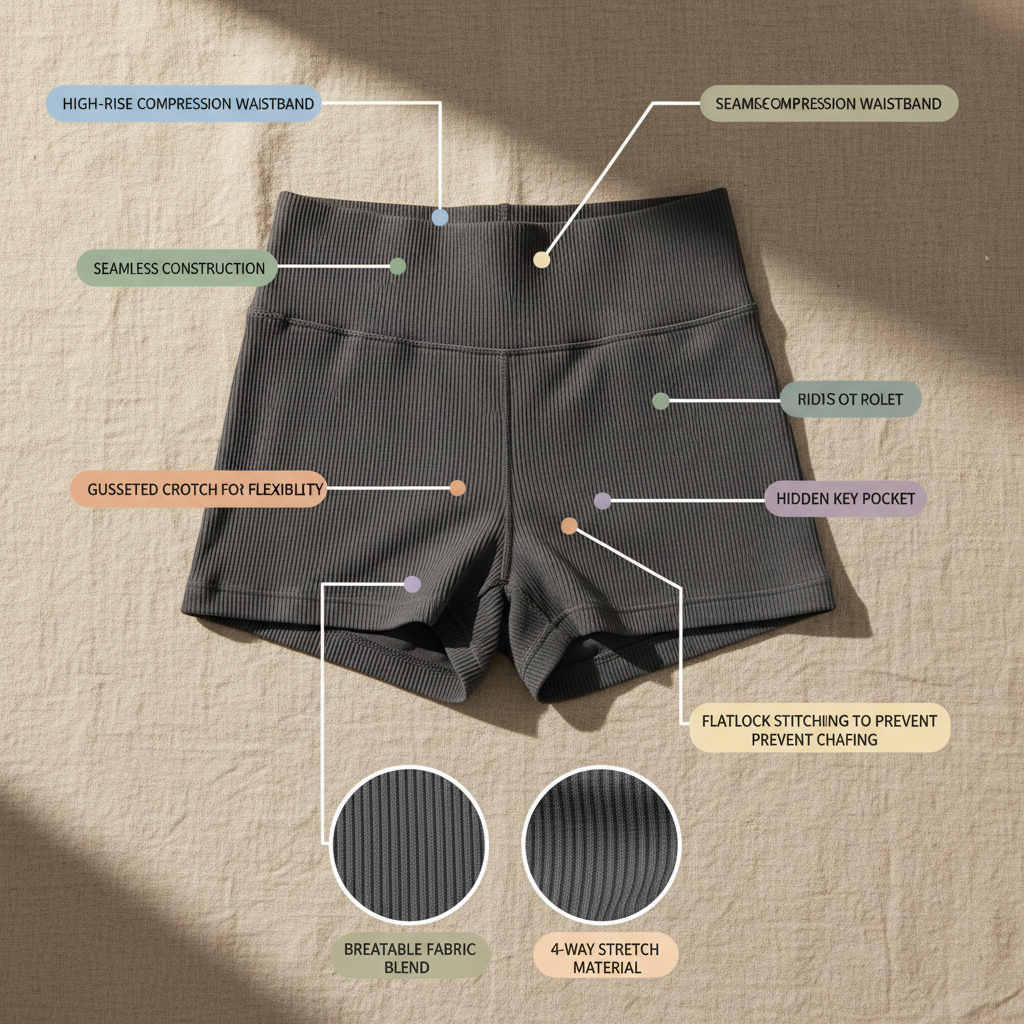
The construction of high waist yoga pants often incorporates features like a wide, flat waistband to prevent digging or rolling, and seamless designs to minimize chafing. Fabrics commonly used include a blend of nylon, spandex, and polyester, chosen for their stretch, breathability, and moisture-wicking properties. The connection to modern industry lies in the demand for functional apparel that supports an active lifestyle.
Beyond physical activity, the high waist design has found broader appeal as a fashion staple. The flattering silhouette and comfortable fit make these pants suitable for everyday wear, blurring the lines between athletic wear and casual clothing. This versatility has contributed to their widespread adoption and commercial success.
Key Features and Benefits
The core benefit of high waist yoga pants lies in their enhanced support and comfort. The higher waistband provides gentle compression, helping to flatten the abdomen and support the lower back. This is particularly beneficial during activities like yoga, Pilates, and running, where core stability is crucial. This support extends to postural benefits, encouraging proper alignment during exercise.
Durability is another key feature. Quality high waist yoga pants are constructed from robust fabrics that can withstand repeated use and washing. This is crucial for active individuals who rely on their apparel to perform consistently. Furthermore, the seamless construction of many high waist yoga pants minimizes friction and prevents chafing, enhancing comfort during extended wear.
Beyond functionality, high waist yoga pants offer a significant aesthetic benefit: a flattering silhouette. The higher waistband creates a streamlined look, elongating the legs and enhancing the overall shape. This makes them a popular choice for those seeking both performance and style.
Material Composition and Performance
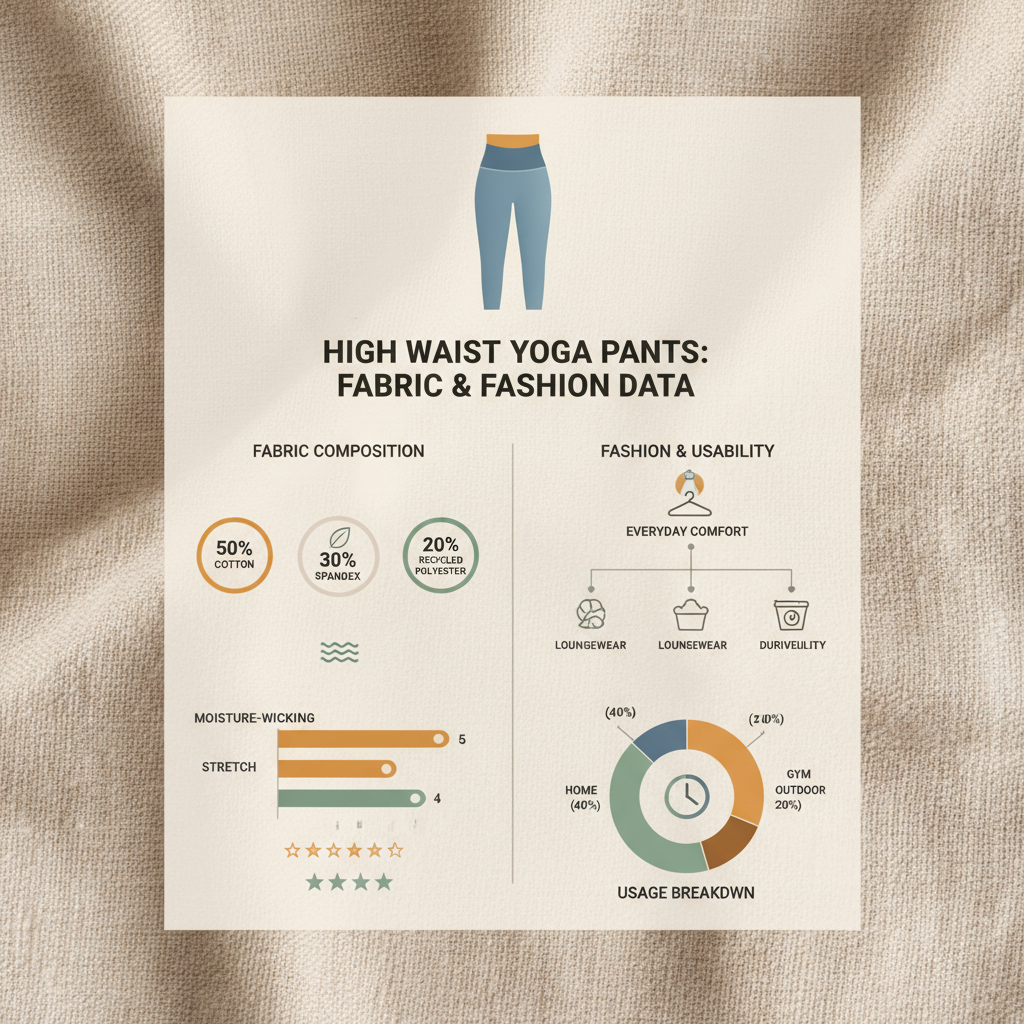
The performance of high waist yoga pants is heavily reliant on the materials used in their construction. A common blend consists of nylon and spandex, offering a balance of stretch, support, and breathability. Nylon provides durability and resistance to abrasion, while spandex allows for a full range of motion. High waist yoga pants crafted with premium materials enhance comfort.
Polyester is another frequently used material, known for its moisture-wicking properties and quick-drying capabilities. This helps to keep the wearer cool and dry during intense activity. Increasingly, manufacturers are incorporating sustainable materials such as recycled polyester and organic cotton into their designs, reflecting a growing commitment to environmental responsibility.
Performance Ratings of Different High Waist Yoga Pant Fabrics
Global Applications and Consumer Base
The consumer base for high waist yoga pants is incredibly diverse, spanning age groups, fitness levels, and lifestyles. While initially popular among yoga practitioners, their appeal has broadened significantly. They are now widely adopted by runners, gym-goers, dancers, and individuals seeking comfortable and stylish everyday wear. This inclusive appeal has fueled global demand.
Regions like North America and Europe represent significant markets, with a strong focus on premium brands and innovative designs. Asia-Pacific is experiencing rapid growth, driven by increasing disposable incomes and a growing awareness of health and wellness. In post-disaster relief operations, comfortable and durable clothing like high waist yoga pants can provide a small measure of dignity and comfort to those affected.
Advantages Over Traditional Yoga Pants
Compared to traditional yoga pants with lower rises, high waist options offer several distinct advantages. The primary benefit is increased support and coverage, minimizing the risk of slippage during bending and stretching. This is particularly important for activities that require dynamic movement.
The higher waistband also provides a smoothing effect, creating a more flattering silhouette and boosting confidence. Many users report that high waist designs are more comfortable for extended wear, as they don't dig into the abdomen or create uncomfortable pressure points.
Future Trends and Sustainable Practices
The future of high waist yoga pants lies in innovation and sustainability. We can expect to see continued development of performance fabrics with enhanced moisture-wicking, breathability, and compression properties. Technology like seamless knitting and 3D printing may become more prevalent, allowing for customized fits and reduced waste.
A growing emphasis on sustainability will drive demand for eco-friendly materials, such as recycled fabrics and plant-based fibers. Brands are increasingly adopting ethical manufacturing practices and transparent supply chains to appeal to environmentally conscious consumers. Digital transformation will also play a role, with virtual try-on tools and personalized shopping experiences becoming more common.
Furthermore, integration with wearable technology is a potential future trend, embedding sensors into the fabric to track fitness metrics and provide real-time feedback to the wearer.
Challenges and Sustainable Solutions
One challenge facing the high waist yoga pants industry is the environmental impact of synthetic fabrics. Traditional nylon and polyester production relies on fossil fuels and can contribute to pollution. However, innovative solutions are emerging, such as the use of recycled materials and bio-based alternatives.
Another challenge is ensuring fair labor practices throughout the supply chain. Transparency and traceability are crucial for identifying and addressing potential ethical concerns. Brands can partner with certified factories and implement robust auditing processes to ensure worker well-being. Promoting circularity through recycling programs and take-back initiatives is also essential.
Finally, the fast-fashion cycle contributes to textile waste. Encouraging consumers to invest in durable, high-quality high waist yoga pants and extending the lifespan of garments through proper care and repair can help to mitigate this issue.
Core Analysis of Future Trends in High Waist Yoga Pants
| Trend Category |
Innovation Level (1-10) |
Sustainability Impact (1-10) |
Market Adoption Rate (1-10) |
| Recycled Fabrics |
7 |
9 |
6 |
| Seamless Knitting |
8 |
6 |
7 |
| Bio-Based Fibers |
6 |
10 |
5 |
| Wearable Technology Integration |
9 |
5 |
4 |
| 3D Printing Customization |
7 |
7 |
3 |
| Transparent Supply Chains |
5 |
8 |
6 |
FAQS
For optimal performance, look for high waist yoga pants made from blends of nylon and spandex, or polyester and spandex. These fabrics offer a great balance of stretch, support, moisture-wicking capabilities, and durability. Increasingly, recycled versions of these materials are available, offering a more sustainable choice. Consider the intended use – a more compressive fabric might be better for intense workouts, while a softer fabric is ideal for restorative yoga.
Proper fit is crucial for comfort and performance. Refer to the brand’s size chart and measure your waist and hips accurately. High waist pants should sit comfortably at your natural waist without digging in or rolling down. Consider your body shape; if you have wider hips, you might prefer a slightly larger size. Many brands offer different inseam lengths, so choose one that suits your height.
While excellent for yoga, Pilates, and barre, high waist yoga pants are versatile enough for many other activities, including running, gym workouts, and even everyday wear. The level of support and compression can vary, so choose a pair suited to your specific needs. For high-impact activities, opt for pants with a more compressive fit for added support.
To maintain the quality of your high waist yoga pants, machine wash them inside out in cold water with a mild detergent. Avoid using bleach or fabric softener. Tumble dry on low heat or, preferably, hang them to dry. Proper care will help prevent fading, shrinking, and loss of elasticity.
A gusseted crotch is a triangular piece of fabric sewn into the crotch area of yoga pants. It provides greater range of motion, reduces chafing, and enhances comfort during bending and stretching. It’s a highly recommended feature, especially for activities like yoga and Pilates where flexibility is key.
Squat-proof yoga pants are made with thicker, more opaque fabrics that prevent see-through when bending over. Check the product description for details about the fabric weight and opacity. Reading customer reviews can also provide valuable insights. A good rule of thumb is to perform a “bend-over test” to assess the fabric’s coverage before purchasing.
Conclusion
In conclusion, high waist yoga pants represent a significant evolution in activewear, combining comfort, support, and style. Their widespread adoption reflects a growing emphasis on wellness and a demand for versatile clothing that seamlessly transitions from the studio to everyday life. The continued innovation in materials and design, coupled with a growing commitment to sustainability, promises a bright future for this popular garment.
Looking ahead, the industry will likely see increased integration of technology and a greater focus on personalized fit and functionality. By embracing sustainable practices and prioritizing ethical production, brands can ensure that high waist yoga pants continue to empower and inspire individuals to live active, healthy, and fulfilling lives. Visit our website today at www.qsclothing.com to explore our collection.