Yoga leggings have become a global phenomenon, transcending their original purpose as athletic wear to become a staple in wardrobes worldwide. Their versatility, comfort, and stylish designs have fueled a multi-billion dollar industry, impacting fashion, fitness, and even casual everyday wear. The demand for high-quality, functional, and aesthetically pleasing yoga leggings continues to grow, driven by increasing health consciousness and the desire for comfortable, adaptable clothing.
The global yoga and activewear market is experiencing robust growth, projected to reach substantial figures in the coming years. This expansion is fueled by rising disposable incomes, a growing awareness of the benefits of physical activity, and the influence of social media trends. Yoga leggings, as a key component of this market, are benefiting from innovations in fabric technology, sustainable production practices, and a wider range of styles and sizes to cater to diverse consumer needs.
Understanding the nuances of yoga legging – from material science to ethical sourcing – is crucial for both consumers and industry professionals. This knowledge empowers informed purchasing decisions, fosters sustainable practices, and drives further innovation within the dynamic activewear landscape.
The Evolution of Yoga Leggings
The history of yoga leggings is surprisingly nuanced. Originating as dancewear and evolving through the aerobics craze of the 1980s, they weren’t initially associated with yoga. Their rise to prominence in the yoga community occurred in the early 2000s, driven by the growing popularity of yoga itself and the demand for comfortable, flexible apparel. Today’s yoga legging represents a significant leap in both design and functionality compared to its predecessors.
Early yoga pants were often made from cotton, which while comfortable, lacked the moisture-wicking and supportive qualities desired by many practitioners. The introduction of synthetic fabrics like Lycra and Spandex revolutionized the industry, leading to the creation of high-performance yoga leggings that offer optimal stretch, compression, and breathability. This evolution has cemented the yoga legging’s place as a cornerstone of the activewear market.
Defining the Modern Yoga Legging
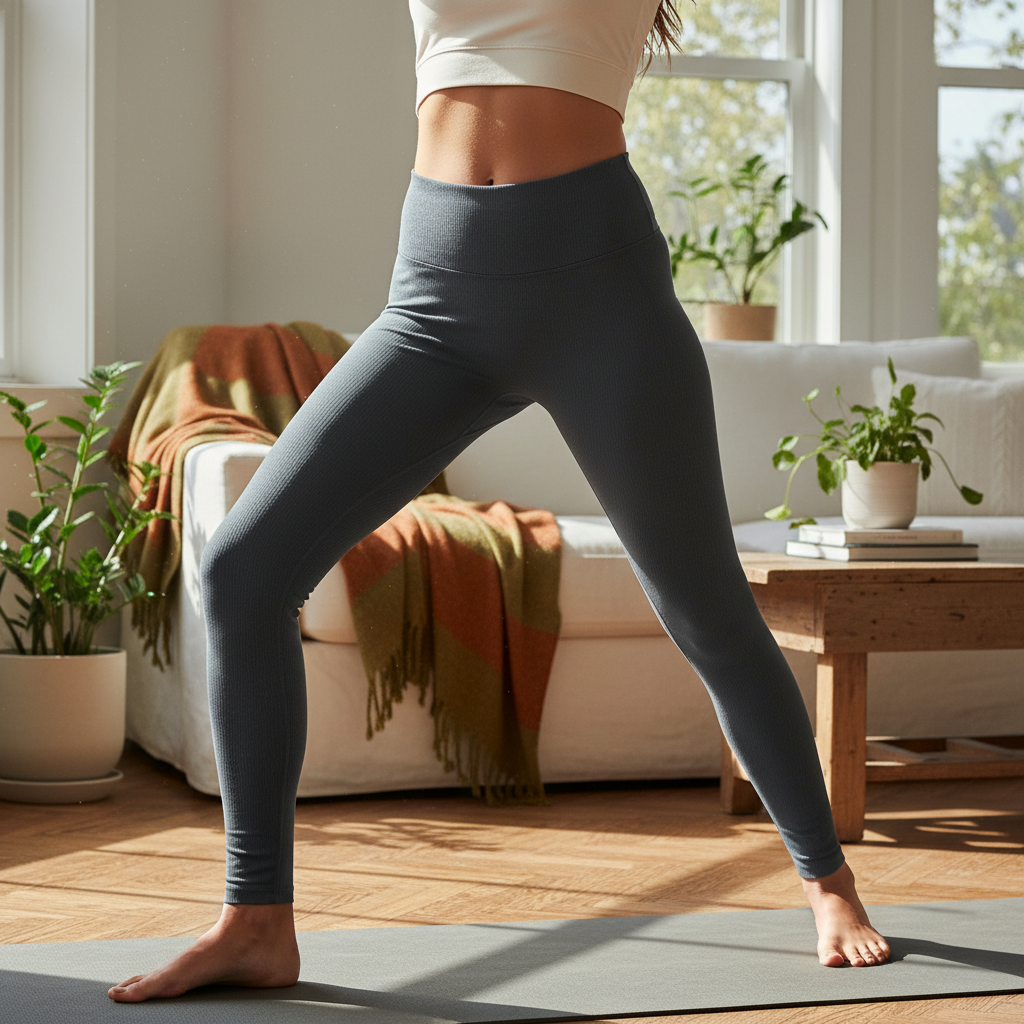
A modern yoga legging is more than just stretchy pants. It’s a carefully engineered garment designed to enhance performance and comfort during yoga practice and other physical activities. Key characteristics include a high waistband for support and coverage, a gusseted crotch for increased mobility, and a compression fit that promotes blood circulation and muscle recovery.
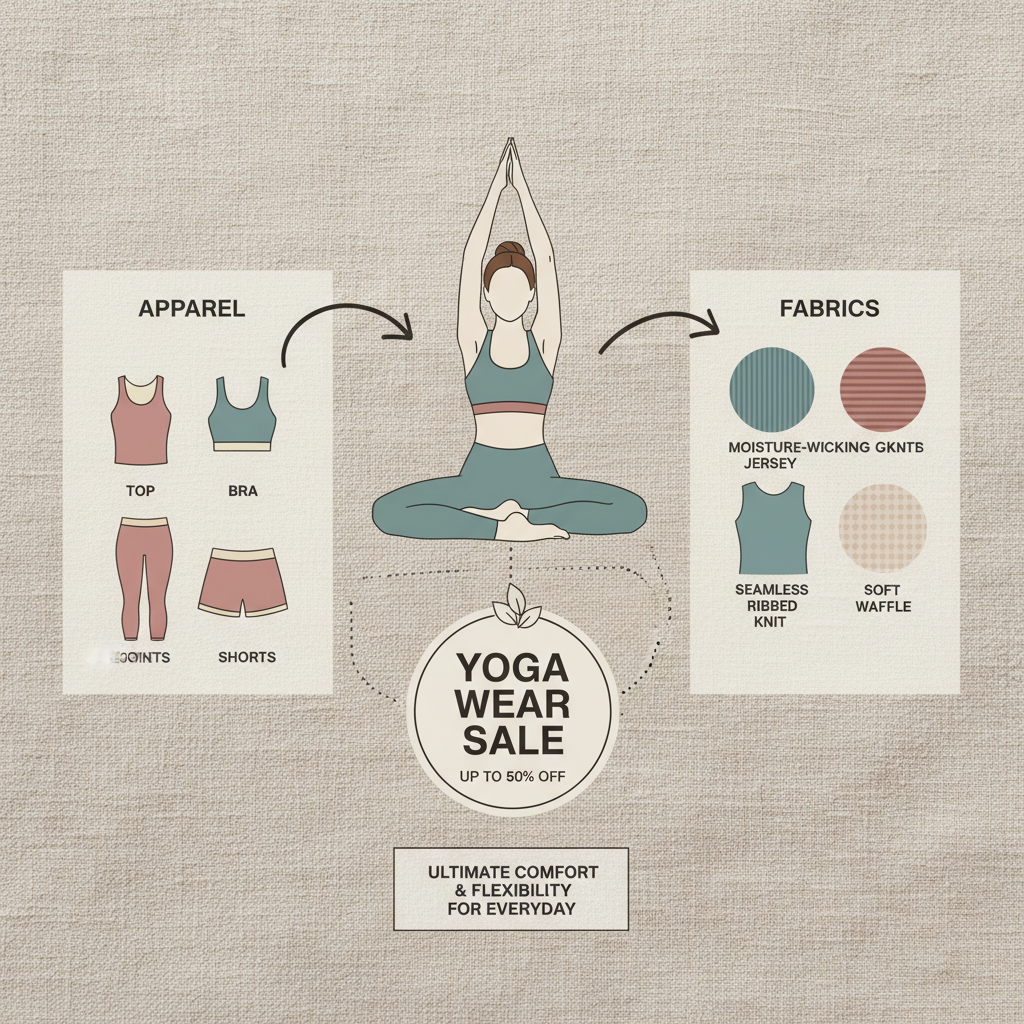
The materials used in yoga leggings are also crucial. Many leggings are now made from blends of nylon, Spandex, and polyester, chosen for their durability, elasticity, and moisture-wicking properties. Some brands are also incorporating sustainable materials like recycled polyester and organic cotton to appeal to environmentally conscious consumers.
Beyond functionality, modern yoga leggings often prioritize aesthetics, offering a wide variety of colors, patterns, and styles to suit individual preferences. From classic black leggings to vibrant printed designs, there’s a yoga legging for every taste and occasion, further solidifying its role beyond the yoga mat.
Core Components of Quality Yoga Leggings
The foundation of any great yoga legging lies in its fabric. High-quality leggings typically use a blend of nylon and Spandex, offering a perfect balance of stretch, support, and durability. The weight of the fabric is also important, with heavier fabrics providing more compression and coverage, while lighter fabrics offer greater breathability.
Waistband construction is another critical component. A wide, high-waisted waistband provides support and prevents the leggings from slipping down during movement. Seamless waistband designs are also popular, minimizing chafing and maximizing comfort. The fit of the waistband should be snug but not constricting, allowing for a full range of motion.
Seam placement is often overlooked but plays a significant role in comfort and performance. Flatlock seams minimize chafing and irritation, while strategically placed seams can enhance the legging’s shape and support. A gusseted crotch adds extra room and prevents camel toe, enhancing comfort and confidence.
Performance Metrics in Yoga Leggings
Evaluating the performance of yoga leggings requires considering several key metrics. Moisture-wicking capability is paramount, ensuring that sweat is drawn away from the skin, keeping you dry and comfortable during intense activity. This is typically measured by the fabric’s ability to absorb and evaporate moisture.
Compression levels also vary significantly. Higher compression leggings can improve blood circulation and reduce muscle fatigue, while lower compression leggings offer greater freedom of movement. Assessing the appropriate compression level depends on the intensity of your activity and personal preference.
Yoga Legging Performance Ratings
Global Applications of Yoga Leggings
While originally designed for yoga, the versatility of yoga leggings has led to their widespread adoption in various activities and settings. They're commonly worn for running, Pilates, barre, hiking, and even everyday casual wear. This broad appeal has fueled demand in diverse geographic regions.
In North America and Europe, yoga leggings are a fashion staple, often paired with oversized sweaters or athletic tops. In Asia, they’re increasingly popular among fitness enthusiasts and those seeking comfortable, stylish clothing. Emerging markets in South America and Africa are also experiencing growing demand as awareness of health and fitness increases.
The Advantages of Investing in Quality Yoga Leggings
Investing in high-quality yoga leggings offers numerous benefits beyond comfort and style. Durability is a key advantage, ensuring that the leggings withstand frequent use and washing without losing their shape or elasticity. This reduces the need for frequent replacements, saving money in the long run.
Improved performance is another significant benefit. Quality leggings provide the support and compression needed to enhance athletic performance and reduce muscle fatigue. The moisture-wicking properties keep you dry and comfortable, allowing you to focus on your workout.
Finally, choosing sustainable and ethically produced yoga leggings supports responsible manufacturing practices and reduces your environmental impact. This aligns with a growing consumer desire for eco-conscious products and contributes to a more sustainable fashion industry.
Future Trends and Innovations in Yoga Leggings
The future of yoga leggings is poised for exciting innovations. We’re seeing a growing trend towards incorporating smart fabrics with embedded sensors that can track biometric data, such as heart rate and muscle activity. This technology has the potential to revolutionize fitness tracking and personalized training.
Sustainability is also driving innovation, with brands exploring new materials like recycled ocean plastic and plant-based fibers. Biodegradable leggings are also on the horizon, offering a more eco-friendly alternative to traditional synthetic fabrics.
Customization is another emerging trend, with brands offering personalized designs and fits based on individual body measurements and preferences. This allows consumers to create leggings that are perfectly tailored to their needs and style.
Summary of Current and Projected Trends in Yoga Leggings
| Trend Category |
Current Status |
Projected Growth (1-10) |
Key Players |
| Smart Fabrics |
Early Adoption |
8 |
Lululemon, Athleta |
| Sustainable Materials |
Growing Demand |
9 |
Patagonia, Girlfriend Collective |
| Personalized Fit |
Emerging Technology |
7 |
Third Love, Knix |
| Advanced Compression |
Refined Techniques |
6 |
Under Armour, Nike |
| Seamless Design |
Mainstream Adoption |
7 |
Aerie, Old Navy |
| Anti-Odor Technology |
Increasing Integration |
5 |
Adidas, Reebok |
FAQS
High-quality yoga leggings prioritize fabric composition, construction, and fit. They typically utilize blends like nylon and Spandex for superior stretch, compression, and moisture-wicking capabilities. Better construction includes flatlock seams to prevent chafing, a gusseted crotch for enhanced mobility, and a durable waistband. Cheaper alternatives often compromise on these aspects, leading to discomfort, poor performance, and a shorter lifespan.
Sizing can vary between brands, so always consult the size chart provided by the manufacturer. Measure your waist and hips, and compare these measurements to the chart. Consider your preferred fit – some people prefer a snug, compressive fit, while others prefer a more relaxed fit. If you're between sizes, it's generally best to size up.
A blend of nylon and Spandex is widely considered the best fabric for yoga leggings. Nylon provides durability and a smooth feel, while Spandex offers exceptional stretch and recovery. Some leggings also incorporate polyester for added moisture-wicking properties. Look for fabrics with a four-way stretch for maximum mobility.
To maximize the lifespan of your yoga leggings, wash them inside out in cold water on a gentle cycle. Avoid using bleach or fabric softeners, as these can damage the fabric. Air drying is preferable, but if you must use a dryer, tumble dry on low heat. Avoid ironing.
Sustainable yoga leggings, made from recycled materials or organic cotton, offer environmental benefits and often support ethical manufacturing practices. While they may be more expensive upfront, their durability and positive impact can make them a worthwhile investment. They align with a growing consumer demand for eco-conscious products.
Squat-proof leggings are constructed with thicker, more opaque fabrics that prevent show-through during deep bends and movements. Read product descriptions carefully, looking for terms like "opaque" or "squat-proof." Check customer reviews to see if others have confirmed their opacity. A good quality legging will maintain its integrity even during rigorous activity.
Conclusion
In conclusion, yoga leggings have evolved from simple athletic wear to a versatile and essential component of modern wardrobes. Their adaptability, combined with advancements in fabric technology and sustainable manufacturing practices, ensures their continued relevance in the fitness and fashion industries. Understanding the key components of quality leggings – fabric, fit, and construction – empowers consumers to make informed choices and experience the full benefits of this popular garment.
Looking ahead, the future of yoga leggings is bright, with innovations like smart fabrics and personalized designs poised to revolutionize the market. By prioritizing sustainability, performance, and comfort, brands can continue to meet the evolving needs of consumers and solidify the yoga legging’s position as a staple in activewear and beyond. Visit our website to explore our collection of premium yoga leggings: www.qsclothing.com