Sep 16,2025

Shop Durable Workwear & Safety Gear | Best Workwear Sale

Advancing Operational Excellence with High-Performance Workwear Solutions

In the demanding landscape of modern industry, the selection of appropriate workwear transcends mere aesthetics, becoming a critical factor in safety, productivity, and brand representation. For B2B decision-makers and procurement specialists, understanding the technical nuances and strategic advantages of high-quality industrial apparel is paramount. This comprehensive overview delves into the intricate world of professional workwear, exploring its manufacturing, technological advancements, application, and the tangible benefits it brings to diverse operational environments. The right workwear is not just clothing; it is an integral component of a successful, safe, and efficient workforce.

Industry Trends Shaping Modern Workwear

The industrial apparel sector is undergoing significant evolution, driven by advancements in material science, stringent safety regulations, and a growing emphasis on sustainability and worker comfort. Key trends influencing workwear development include:

  • Smart Textiles Integration: Incorporating wearable technology for monitoring vital signs, environmental conditions, or even enhancing communication.
  • Sustainability and Eco-Friendly Materials: A shift towards recycled fibers, organic cotton, and closed-loop manufacturing processes to reduce environmental impact.
  • Enhanced Ergonomics and Comfort: Designs that prioritize freedom of movement, breathability, and weight reduction to minimize worker fatigue and improve productivity.
  • Multi-Functional and Modular Designs: Garments designed with versatile features, allowing adaptation to various tasks or environmental conditions, such as detachable layers or configurable pockets.
  • Advanced Safety Compliance: Continuous innovation to meet and exceed evolving international safety standards (e.g., EN ISO, ANSI) for flame resistance, high visibility, and chemical protection.
  • Data-Driven Customization: Leveraging data analytics to offer highly customized solutions that meet specific industry and corporate branding requirements.

These trends collectively push the boundaries of what professional workwear can achieve, transforming it from basic protective gear into a sophisticated tool that enhances performance and well-being.

The Manufacturing Process of High-Performance Workwear

The production of industrial workwear is a complex, multi-stage process that combines advanced textile engineering with meticulous garment construction to ensure durability, functionality, and compliance with stringent safety standards. Understanding this process is crucial for appreciating the value and technical integrity of professional-grade apparel.

Process Flow: From Concept to Completion

  1. Material Sourcing & Selection:

    This initial phase involves the careful selection of specialized fabrics and components. For example, Ripstop nylon or polyester blends are chosen for their superior tear resistance, while Softshell fabrics offer excellent breathability and water repellency. Materials are often selected based on target industry requirements, such as flame resistance (e.g., Proban-treated cotton) for welding or oil & gas, or high-visibility properties (fluorescent dyes) for construction. Certifications like OEKO-TEX Standard 100 ensure textiles are free from harmful substances.

  2. Design & Prototyping:

    Ergonomic design is key. CAD software is used to create precise patterns that ensure maximum comfort and freedom of movement, especially for physically demanding jobs. Prototypes are then developed and rigorously tested in simulated environments to validate fit, functionality, and performance.

  3. Fabric Preparation & Treatment:

    Raw fabrics undergo various treatments. This can include waterproofing (DWR coatings), flame-retardant applications, anti-static finishes, or antimicrobial treatments. Advanced weaving techniques, such as the distinct grid pattern of Ripstop, are employed to enhance tensile strength and prevent tears from spreading.

  4. Precision Cutting:

    Automated CNC cutting machines are utilized to precisely cut fabric panels according to digital patterns. This minimizes material waste and ensures consistent sizing across large production batches, crucial for meeting industry standards like EN ISO 13688 for general protective clothing requirements.

  5. Assembly & Stitching:

    Skilled technicians assemble the cut panels using industrial sewing machines. Specialized stitching techniques, such as double-stitching on stress points, flatlock seams for comfort, or taped seams for waterproof garments, are employed to enhance durability and functional integrity. High-strength polyester or nylon threads are typically used.

  6. Quality Control & Testing:

    Each garment undergoes multiple layers of quality inspection. This includes visual checks for defects, dimensional checks for size consistency, and performance testing. Tests might include tear strength (e.g., ISO 13937-2), abrasion resistance (e.g., ISO 12947-2 Martindale method), colorfastness (e.g., ISO 105 series), and water penetration resistance (e.g., ISO 811 for hydrostatic pressure). Compliance with standards like EN ISO 20471 for high-visibility apparel or ANSI/ISEA 107 in North America is rigorously verified.

  7. Finishing & Packaging:

    This stage includes adding reflective tapes, logos (embroidered or heat-sealed), labels, and final pressing. Garments are then folded and packaged, often with individual polybags to protect them during transit.

Target Industries & Advantages

High-performance workwear is indispensable across a spectrum of demanding industries, offering critical advantages:

  • Petrochemical & Oil & Gas: Flame-retardant (FR) and anti-static properties protect against flash fires and electrostatic discharge. Advantages: reduced risk of severe burns, compliance with ATEX directives.
  • Construction & Infrastructure: High-visibility (Hi-Vis) garments with durable, abrasion-resistant fabrics. Advantages: significantly enhanced worker visibility, meeting EN ISO 20471 or ANSI/ISEA 107 standards, prolonged garment service life.
  • Manufacturing & Logistics: Ergonomic designs, tear-resistant fabrics, and multi-pocket configurations. Advantages: improved worker comfort, increased efficiency through accessible tools, enhanced material handling safety.
  • Utilities & Water Supply & Drainage: Waterproof (EN 343) and chemical-resistant apparel. Advantages: protection against environmental elements and hazardous substances, ensuring worker health and safety.
  • Emergency Services: Multi-functional garments combining protection against weather, fire, and biohazards. Advantages: versatility in diverse rescue scenarios, superior protective barrier.

The typical service life of high-quality industrial workwear, properly cared for, can range from 18 to 36 months, significantly longer than conventional apparel, providing a better return on investment (ROI).

Technical Specifications: Focus on the Reflex Ribstop Softshell Vest

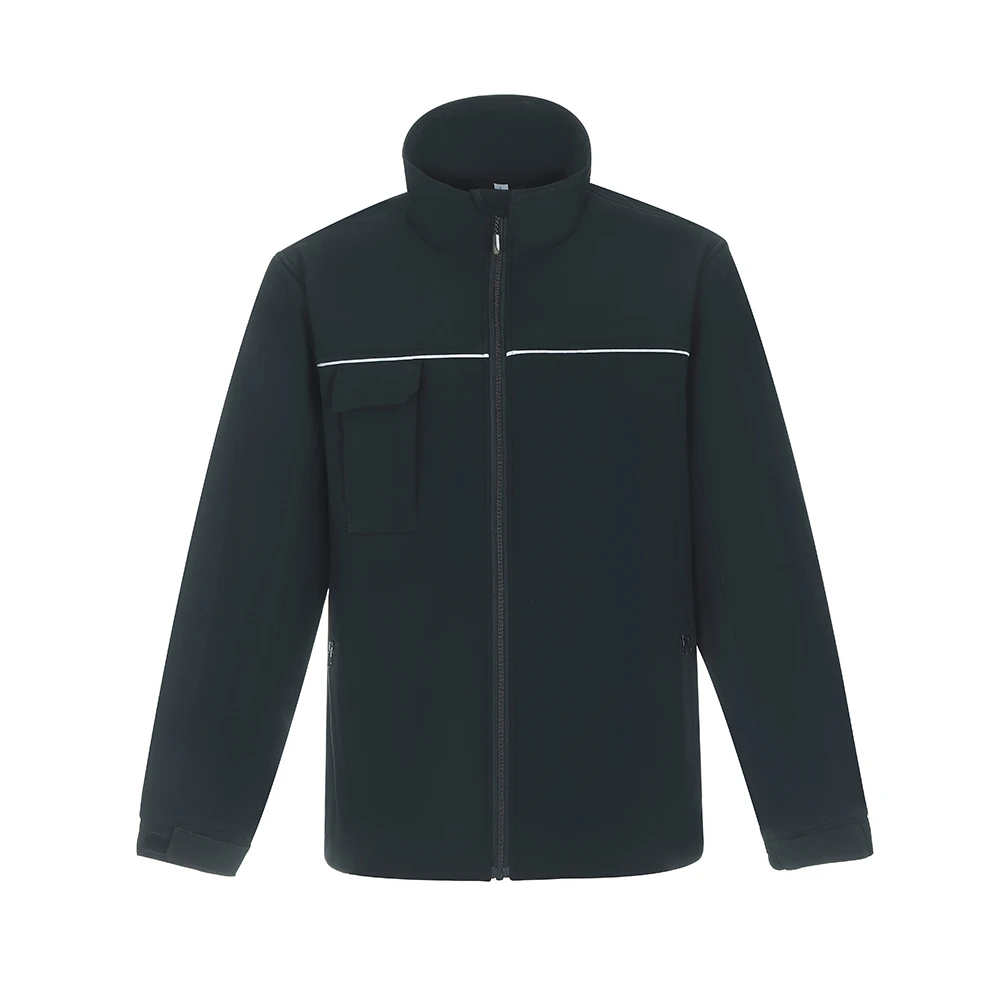
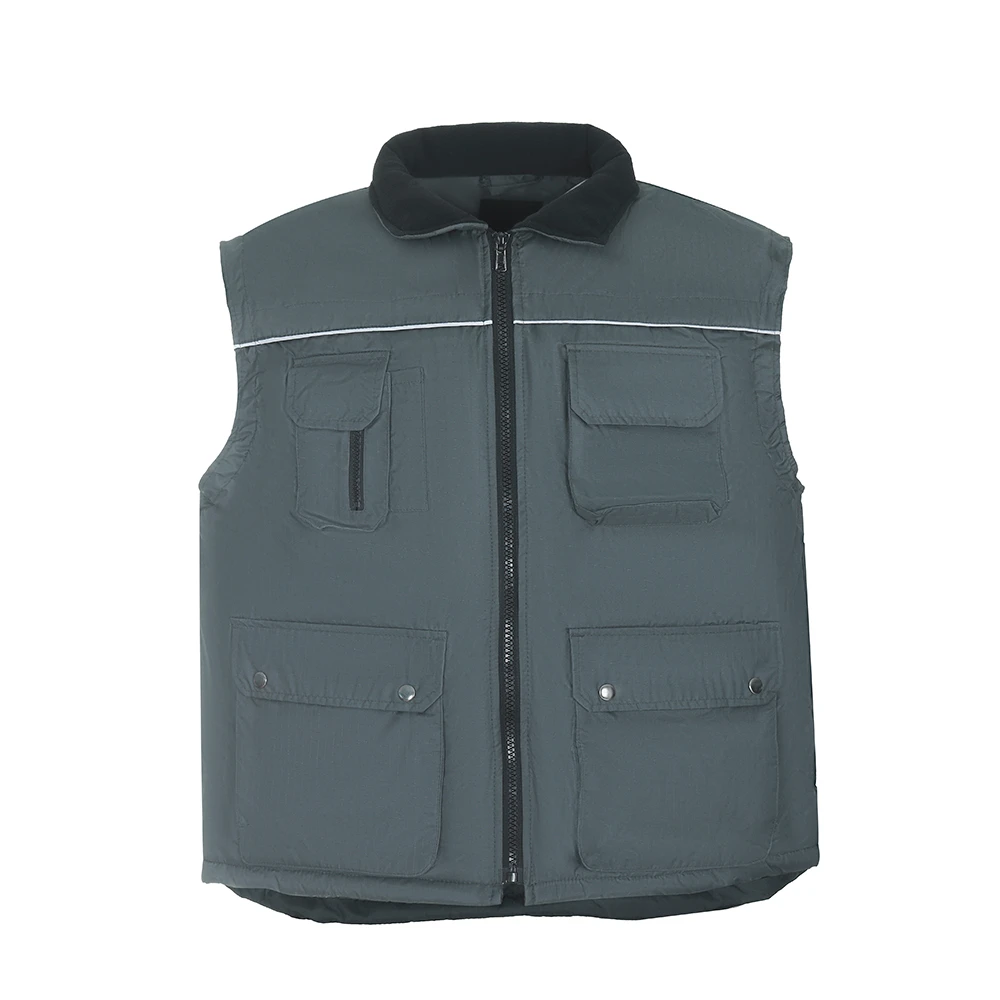
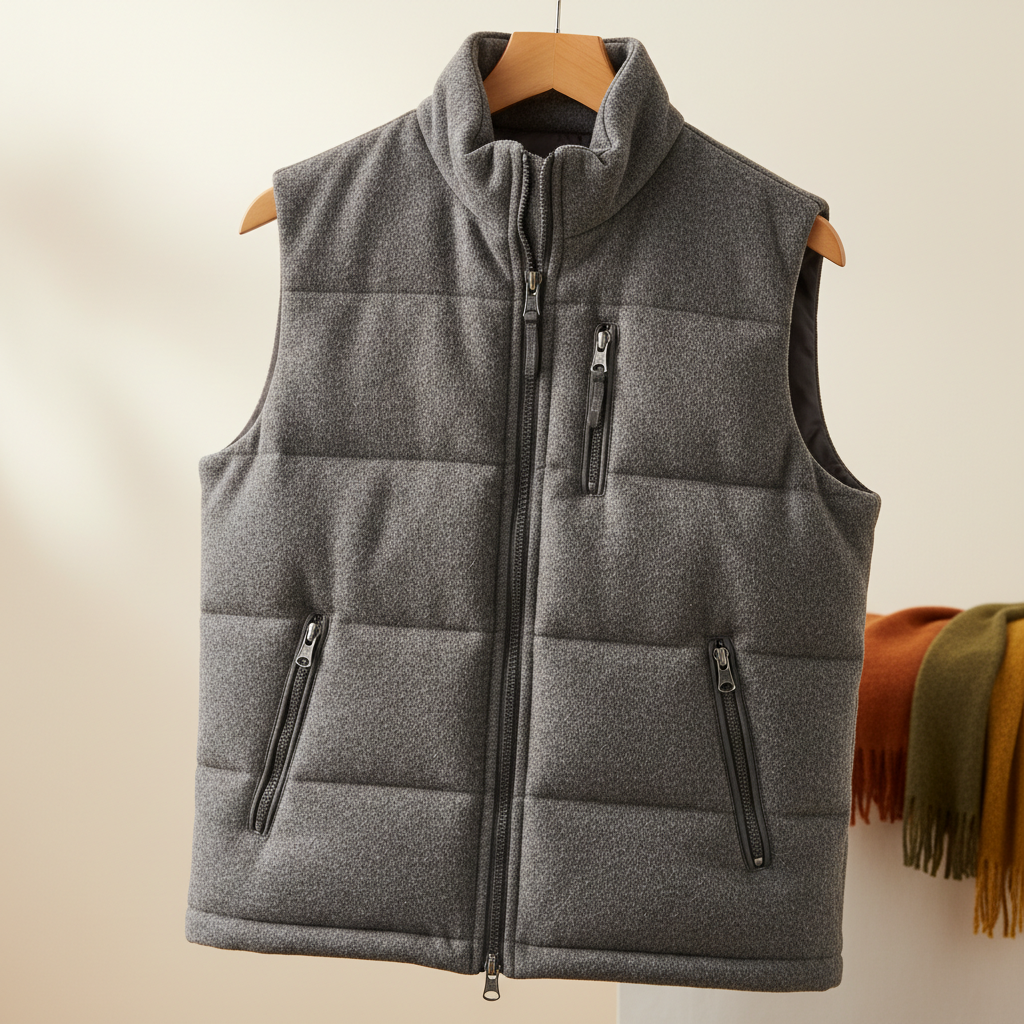
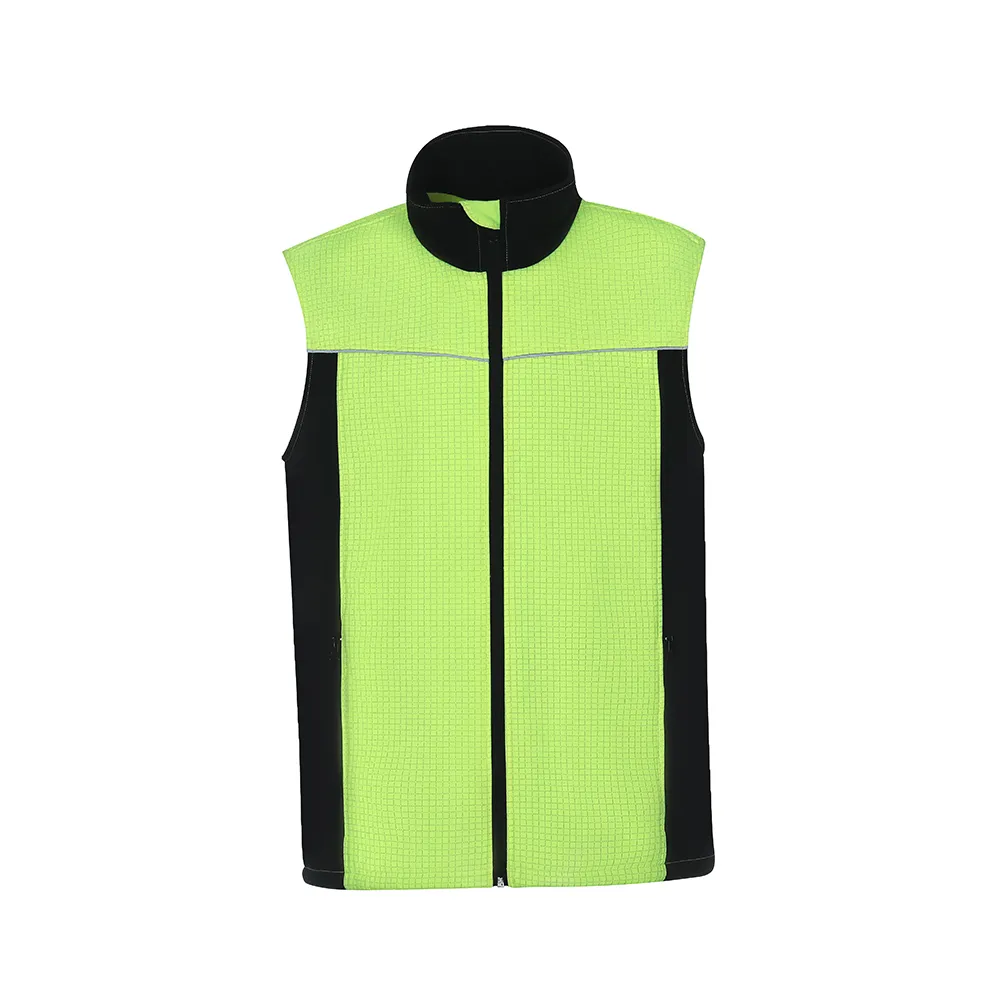
To illustrate the technical excellence achievable in modern workwear, we examine the specifications of the Reflex Ribstop Softshell Vest. This garment exemplifies the blend of durability, comfort, and functional design demanded by today's industrial professionals.
Shop Durable Workwear & Safety Gear | Best Workwear Sale

Reflex Ribstop Softshell Vest: Engineered for performance and protection.

Product Specification Table: Reflex Ribstop Softshell Vest

Feature Specification Benefit
Material Composition 96% Polyester, 4% Spandex (Ribstop Softshell) Exceptional durability with inherent stretch for mobility. Ribstop weave prevents small tears from spreading.
Fabric Weight Approx. 300 gsm (grams per square meter) Optimal balance of warmth without bulk, suitable for varied climates and layering.
Water Resistance Durable Water Repellent (DWR) finish Repels light rain and splashes, keeping the wearer dry in damp conditions.
Breathability High, inherent in softshell construction Allows moisture vapor to escape, preventing overheating and maintaining comfort during exertion.
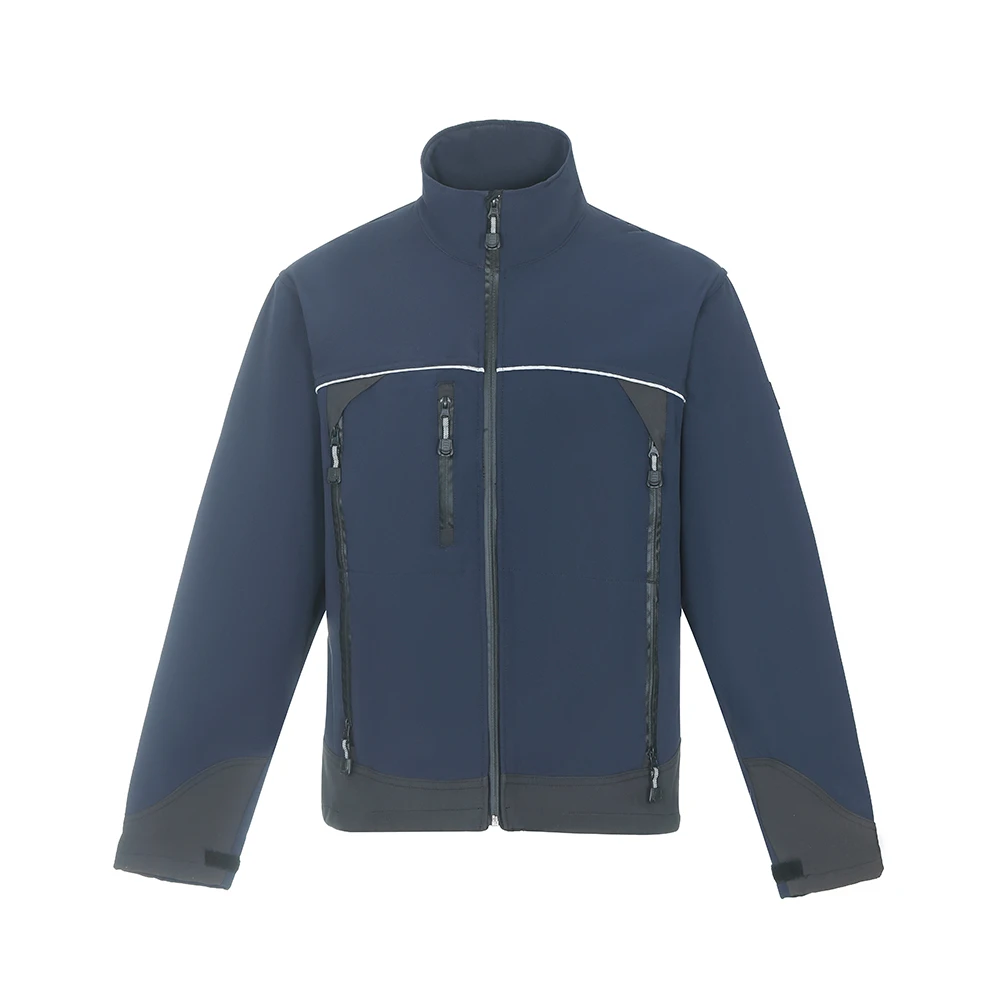
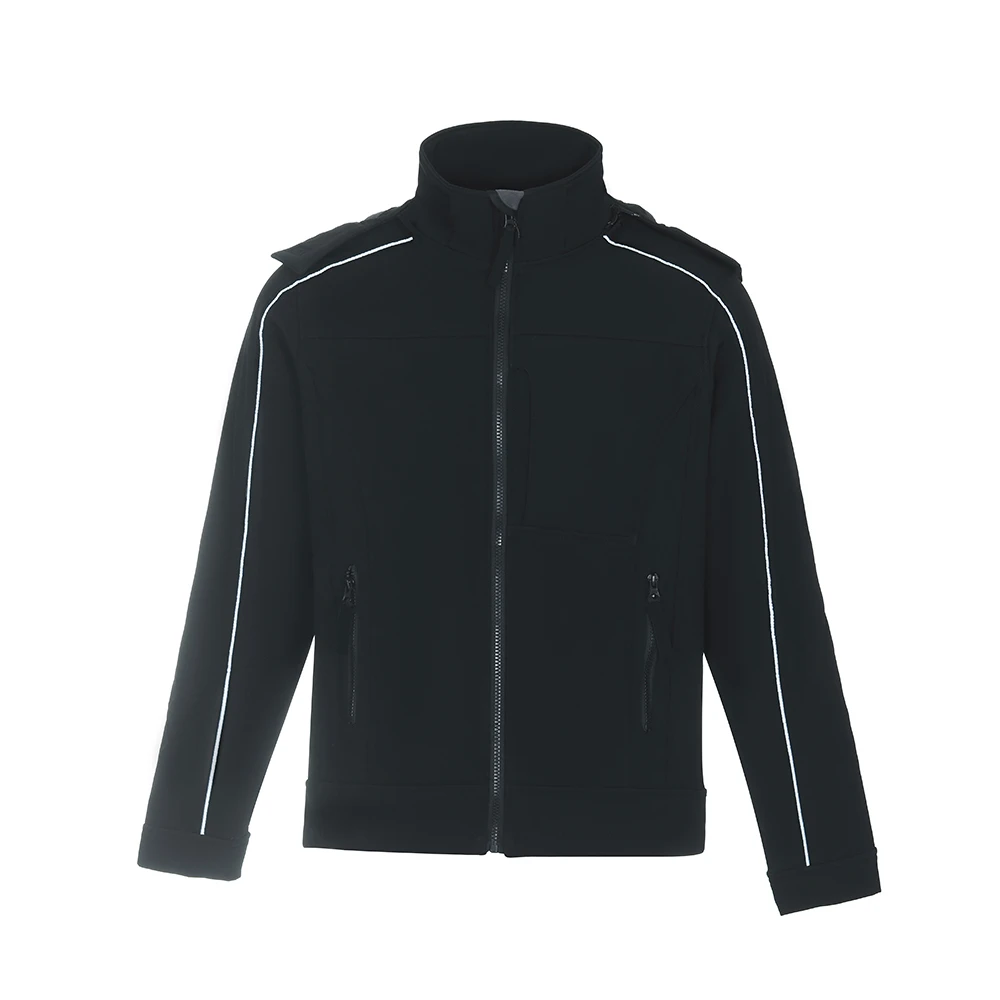
Reflective Elements Integrated reflective piping/accents Enhances low-light visibility, contributing to worker safety in dimly lit environments.
Pockets Multiple zippered pockets (chest, side) Secure storage for tools, personal items, and communication devices, improving efficiency.
Fit Ergonomic, active fit Allows for unhindered movement, essential for demanding physical tasks.
Compliance CE certified, complies with general safety requirements (EN ISO 13688) Assurance of meeting European safety directives for protective clothing.

The Ribstop Softshell construction offers a blend of flexibility and resilience, making it an ideal choice for roles requiring freedom of movement without compromising on protection against minor abrasions or adverse weather.

Diverse Application Scenarios & Technical Advantages

The versatility of modern workwear allows it to be precisely tailored to specific operational needs, delivering distinct technical advantages across a multitude of application scenarios.

Scenario-Specific Workwear Applications:

  • High-Visibility Applications (Road Construction, Logistics Hubs):

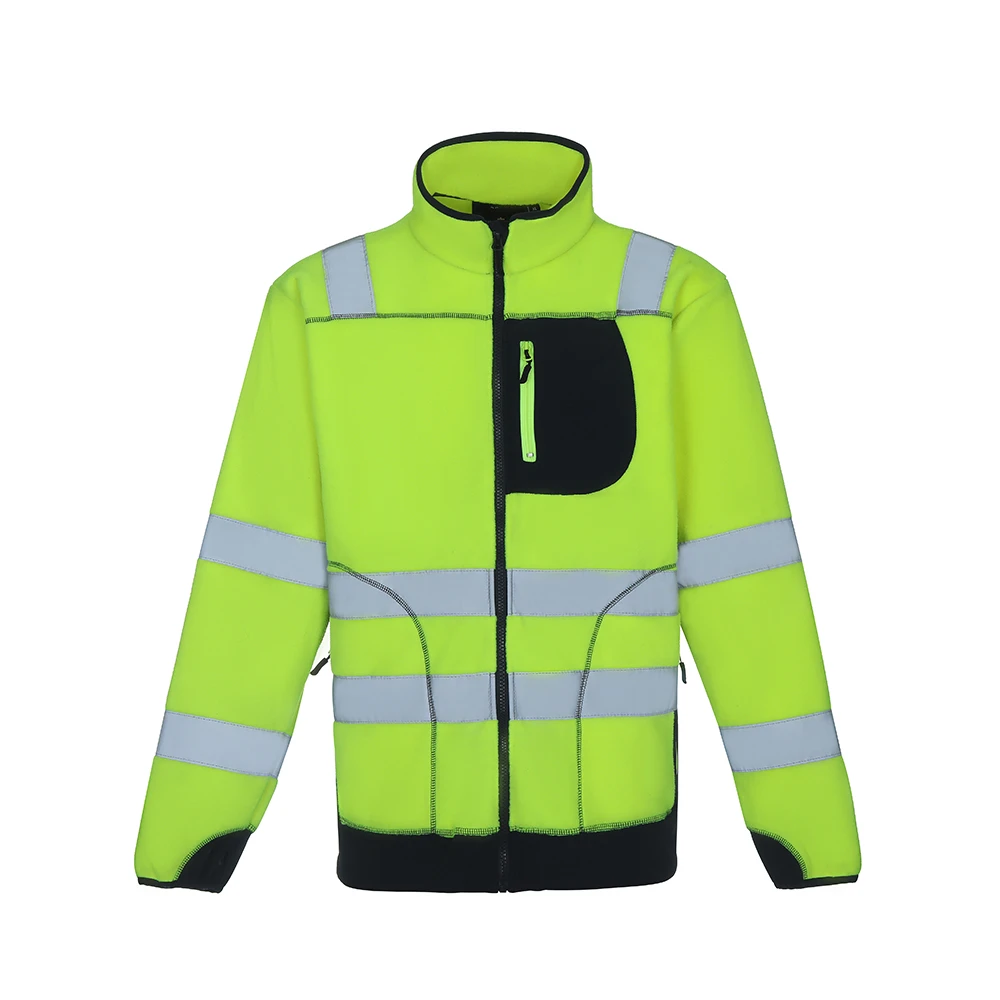
    Utilizing fluorescent yellow/orange fabrics and retro-reflective tapes certified to EN ISO 20471 or ANSI/ISEA 107. Technical Advantage: Drastically improves worker visibility in low light, poor weather, or high-traffic areas, reducing the risk of vehicle-related accidents by up to 85% in some studies.

  • Wet Environment Operations (Maritime, Water Utilities, Outdoor Maintenance):

    Employing waterproof and breathable membranes (e.g., PTFE, PU coatings) with fully taped seams, certified to EN 343 for protection against rain. Technical Advantage: Maintains worker dryness and comfort, preventing hypothermia and enabling sustained performance in adverse weather conditions.

  • Heat & Fire Hazard Zones (Welding, Foundries, Petrochemical Refineries):

    Incorporating inherently flame-retardant (IFR) or treated FR fabrics (e.g., Proban, Nomex, Kermel) compliant with EN ISO 11612, EN ISO 11611, or NFPA 2112. Technical Advantage: Provides crucial thermal protection against flash fires, radiant heat, and molten metal splashes, significantly mitigating burn injuries.

  • Cold Storage & Outdoor Winter Work (Cold Chain Logistics, Arctic Exploration):

    Insulated garments with high thermal resistance ratings (e.g., EN 342) utilizing advanced insulations like Thinsulate or down alternatives. Technical Advantage: Offers superior thermal insulation, maintaining core body temperature and preventing cold stress, thereby extending operational periods.

  • Chemical Handling (Laboratories, Industrial Cleaning, Agriculture):

    Protective suits or garments made from barrier materials (e.g., Tyvek, laminated fabrics) tested against specific chemicals to EN 14605 or EN 13034. Technical Advantage: Creates an impermeable barrier against liquid or gaseous chemical penetration, safeguarding workers from exposure and related health risks.

The judicious selection of specific workwear based on its technical specifications directly translates into enhanced safety, reduced downtime, and improved overall operational efficiency for the workforce.

Vendor Comparison: Evaluating Workwear Providers

Choosing the right workwear vendor is a strategic decision that impacts safety, budget, and brand image. B2B purchasers must look beyond initial cost, evaluating factors such as product quality, compliance, customization capabilities, and after-sales support.

Key Criteria for Vendor Evaluation

Criterion High-Tier Vendor (e.g., QS Clothing) Mid-Tier Vendor Budget Vendor (often associated with 'workwear sale')
Product Quality & Durability Premium fabrics (e.g., Ripstop, Cordura), reinforced stitching, advanced finishes. Excellent service life. Standard industrial fabrics, adequate stitching. Moderate service life. Basic fabrics, minimal reinforcement. Shorter service life, frequent replacement.
Safety & Compliance Extensive certifications (EN ISO, ANSI, OEKO-TEX), verifiable test data, deep regulatory expertise. Basic certifications, general compliance statements. May require external verification. Limited or no specific certifications. Compliance may be questionable or self-declared.
Customization Options Full custom design, specific fabric blends, bespoke sizing, advanced branding, large order capacity. Limited branding (logo placement), basic color choices, standard sizing. Generally off-the-shelf, no customization beyond very basic logo application.
Supply Chain & Lead Times Robust, transparent supply chain. Reliable, consistent lead times, contingency plans. Standard lead times, potential for delays without clear communication. Variable lead times, often longer for bulk orders, less transparency.
After-Sales Support Dedicated account management, technical support, warranty, efficient returns/exchanges. Standard customer service, limited technical assistance. Minimal support, challenging return processes, generally 'as-is' transactions.

While a tempting "workwear sale" might offer lower upfront costs, the long-term total cost of ownership (TCO) often favors vendors providing superior quality, robust compliance, and comprehensive support. Investing in quality industrial workwear from a reputable vendor ensures worker safety, comfort, and a professional brand image, ultimately contributing to operational efficiency and reduced incident rates.

Tailored Solutions: Customizing Workwear for Unique Operational Needs

In diverse industrial environments, off-the-shelf workwear may not always suffice. Customization offers the ability to precisely match apparel to specific job requirements, environmental conditions, and corporate branding guidelines, enhancing both functionality and brand identity.
Shop Durable Workwear & Safety Gear | Best Workwear Sale

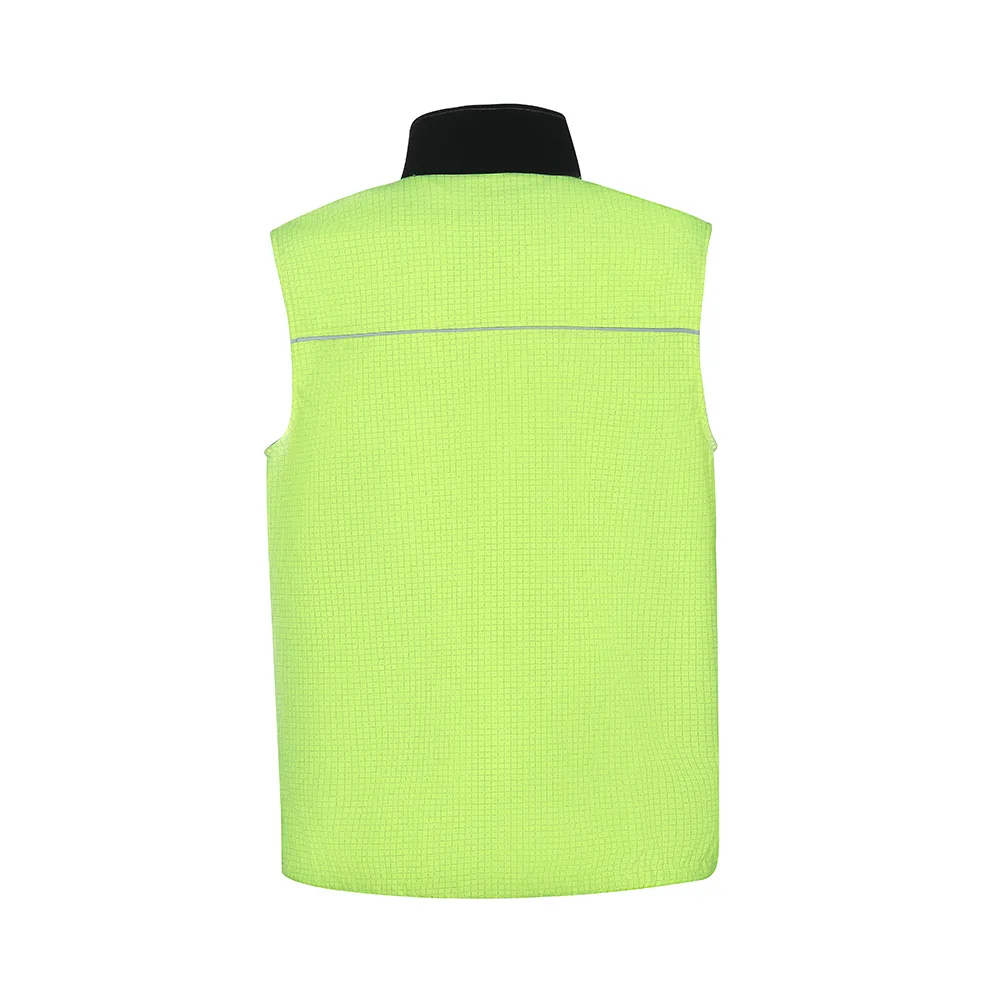
Custom workwear designs address specific industry challenges.

Elements of Customized Workwear Programs:

  • Fabric & Material Selection: Beyond standard options, clients can specify unique blends (e.g., higher cotton content for breathability, increased polyamide for abrasion resistance, specific FR ratings) to suit precise environmental or hazard exposure.
  • Ergonomic & Fit Adjustments: Custom sizing charts, articulated knee/elbow designs, gussets in high-movement areas, and adjustable features (cuffs, waistbands) to ensure optimal fit and comfort for a diverse workforce. This directly addresses complaints about standard sizing.
  • Pocket Configurations & Tool Loops: Reconfiguring pocket placements, adding specialized compartments for specific tools (e.g., radio loops, pen slots, knife pockets), or reinforcing pockets for heavy items, dramatically improving worker efficiency.
  • Branding & Aesthetics: Integrating corporate logos through embroidery, heat transfer, or screen printing. Custom color schemes that align with brand guidelines or departmental differentiation. This reinforces corporate identity and professionalism.
  • Integrated Safety Features: Strategically placed reflective banding beyond standard requirements, specialized knee pad pockets, reinforced impact zones, or integration of RFID tags for asset management and tracking.

A bespoke workwear solution acts as a force multiplier, not only protecting personnel but also embedding corporate values and improving operational fluidity. Partnering with a vendor offering robust customization capabilities ensures that the investment in workwear yields maximum strategic advantage.

Application Case Studies: Real-World Impact of Premium Workwear

The theoretical advantages of high-quality industrial workwear are best understood through tangible results from real-world deployments. These case studies highlight the measurable benefits achieved by strategic investments in professional apparel.

Case Study 1: Enhanced Safety and Productivity in Construction

A large-scale infrastructure project faced challenges with worker visibility in dynamic environments, leading to near-miss incidents. The company transitioned its entire workforce to high-performance, EN ISO 20471 Class 3 compliant workwear featuring advanced retro-reflective elements and durable Ripstop fabrics.

  • Outcome: A 40% reduction in vehicle-pedestrian near-miss incidents reported over a 12-month period.
  • Outcome: Worker feedback indicated improved comfort and durability, leading to a 15% increase in perceived productivity and satisfaction.
  • Outcome: Garment service life extended by 6 months compared to previous apparel, resulting in a 10% reduction in annual replacement costs.

Case Study 2: Optimized Thermal Regulation for Cold Chain Logistics

A major cold chain logistics provider experienced high rates of worker discomfort and minor cold-related ailments among personnel working in refrigerated warehouses (-18°C). They adopted specialized insulated workwear designed for extreme cold, featuring multi-layer insulation and moisture-wicking properties, compliant with EN 342.

  • Outcome: A 25% decrease in reported sick days related to cold exposure.
  • Outcome: Employee surveys showed a 30% improvement in perceived thermal comfort and morale.
  • Outcome: An increase in average shift duration within cold environments by 20%, directly boosting operational throughput.

Case Study 3: Corrosion Resistance in Wastewater Treatment

A municipal water treatment facility faced rapid degradation of standard uniforms due to exposure to corrosive chemicals and constant moisture. They implemented a custom workwear program using advanced chemical-resistant and waterproof fabrics, featuring robust sealed seams.

  • Outcome: Garment lifespan more than doubled, from 9 months to 20 months, leading to significant cost savings in procurement.
  • Outcome: A near-elimination of skin irritations and chemical splashes reported by workers.
  • Outcome: Enhanced compliance with health and safety regulations, improving the facility’s risk profile.

These cases underscore that strategic investment in high-performance industrial workwear is not merely an expenditure but a critical investment in human capital, operational efficiency, and long-term cost reduction.

Trust & Support: Ensuring Your Investment in Workwear

Frequently Asked Questions (FAQ)

Q1: How do I select the right workwear for my specific industry needs?

A1: Selection should be guided by a thorough risk assessment of the work environment, specific job tasks, and applicable safety standards (e.g., EN ISO, ANSI). Consider factors like required protection (FR, Hi-Vis, waterproof), durability, comfort, and breathability. Our expert team can provide a tailored consultation.

Q2: What is the typical lead time for custom workwear orders?

A2: Lead times vary based on order complexity, volume, and customization requirements. For standard products, lead times are typically 4-6 weeks. For fully customized solutions, this can range from 8-12 weeks, including design, prototyping, and production. We provide clear fulfillment timelines at the quotation stage.

Q3: What warranty is offered on your workwear products?

A3: We stand by the quality of our workwear. All products come with a standard 12-month warranty against manufacturing defects and material failures under normal wear conditions. Specific extended warranties may be available for certain product lines or large-volume contracts. Please refer to our detailed warranty policy.

Q4: How do you ensure your workwear meets international safety standards?

A4: We partner with accredited independent testing laboratories to certify our products against relevant international standards such as EN ISO, ANSI/ISEA, and OEKO-TEX. Our manufacturing processes also adhere to strict internal quality control protocols, ensuring every garment meets design and compliance specifications.

Lead Time & Fulfillment

Our streamlined production and logistics processes are designed to ensure timely delivery of your workwear orders. Standard catalog items are typically fulfilled within 4-6 weeks. For large-scale custom projects, we work closely with clients to establish realistic timelines, leveraging our global supply chain capabilities to meet demanding schedules. Our commitment to transparent communication ensures you are always informed about your order status.

Warranty Commitments

Every piece of workwear we supply is engineered for durability and performance. We offer a comprehensive 12-month warranty covering defects in materials and workmanship. This commitment reflects our confidence in the quality and longevity of our products, ensuring peace of mind for our B2B partners. Specific terms and conditions apply and are available upon request.

Dedicated Customer Support

Our relationship with clients extends far beyond the point of sale. We provide dedicated account managers who offer expert guidance from initial consultation through order fulfillment and after-sales support. Our technical support team is available to address any queries regarding product specifications, maintenance, or compliance. Partnering with us means gaining a reliable ally committed to your operational success.

Conclusion

Investing in high-quality workwear is a foundational strategy for B2B enterprises aiming to optimize safety, enhance worker productivity, and reinforce corporate identity. From the meticulous selection of advanced materials and precision manufacturing processes to comprehensive customization and robust after-sales support, every aspect of professional workwear contributes to a more secure and efficient operational environment. By prioritizing technical excellence and strategic procurement, businesses can transform their workwear from a simple necessity into a valuable asset that directly contributes to long-term success and employee well-being.

Authoritative References

  1. International Organization for Standardization (ISO). ISO 20471:2013 High-visibility clothing — Test methods and requirements. Retrieved from iso.org
  2. American National Standards Institute (ANSI) / International Safety Equipment Association (ISEA). ANSI/ISEA 107-2020 American National Standard for High-Visibility Safety Apparel and Accessories. Retrieved from isea.org
  3. Oeko-Tex Association. STANDARD 100 by OEKO-TEX®. Retrieved from oeko-tex.com
  4. European Committee for Standardization (CEN). EN ISO 11612:2015 Protective clothing — Clothing for protection against heat and flame — Minimum performance requirements. Retrieved from cenelec.eu
  5. European Committee for Standardization (CEN). EN 343:2019 Protective clothing — Protection against rain. Retrieved from cenelec.eu
Upsell Products
Upsell News
Mens Quilted Bomber Jacket vs Mens Padded Bomber Jacket: What's the Difference?
Jun 18,2026
Mens Quilted Bomber Jacket vs Mens Padded Bomber Jacket: What's the Difference?
6When shopping for cold-weather outerwear, many buyers come across two popular options: the mens qui
How to Style a Mens Quilted Bomber Jacket for Different Occasions
Jun 18,2026
How to Style a Mens Quilted Bomber Jacket for Different Occasions
A mens quilted bomber jacket is one of the most versatile outerwear pieces in modern fashion. Combin
Why Men's Thermal Lined Flannel Shirts Are Ideal for Cold Weather Workwear
Jun 18,2026
Why Men's Thermal Lined Flannel Shirts Are Ideal for Cold Weather Workwear
When temperatures drop, outdoor workers need clothing that delivers warmth, comfort, and durability
Best Mens Vest for Winter Guide for Warmth and Style
Jun 18,2026
Best Mens Vest for Winter Guide for Warmth and Style
Stay Warm and Stylish: The Ultimate Guide to Mens Vest for Winter As the temperature drops, finding the perfect balance between warmth and mobility becomes a priority for every modern man. A high-quality mens vest for winter is more than just an accessory; it is a strategic layering piece that protects your core while allowing your arms to move freely. Whether you are commuting to the office, hiking through a snowy trail, or simply running errands, the right vest can elevate your outfit and your comfort levels. In this guide, we will explore the different types of winter vests
Thermal Lined Flannel vs Regular Flannel: What Is the Difference?
Jun 15,2026
Thermal Lined Flannel vs Regular Flannel: What Is the Difference?
Flannel shirts have long been a staple in workwear, outdoor apparel, and casual fashion. Known for t
What Is a Flannel Thermal Shirt and Why Is It So Popular?
Jun 15,2026
What Is a Flannel Thermal Shirt and Why Is It So Popular?
When cold weather arrives, many people look for clothing that combines warmth, comfort, durability,
How to Select the Right High Visibility Fleece Jacket
Jun 15,2026
How to Select the Right High Visibility Fleece Jacket
High-visibility fleece jackets play a critical role in workplace safety across construction sites, t
Best Mens Quilted Winter Vest for Warmth and Style Guide
Jun 13,2026
Best Mens Quilted Winter Vest for Warmth and Style Guide
Stay Warm and Stylish: The Ultimate Guide to the Mens Quilted Winter Vest As temperatures drop, finding the perfect balance between warmth and mobility becomes a priority for the modern man. A high-quality mens quilted winter vest serves as the ideal mid-layer or outer shell, providing essential core warmth without the bulk of a full jacket. Whether you are commuting to the office, heading out for a weekend hike, or simply running errands, the quilted vest is a versatile wardrobe staple. In this guide, we will explore the technical aspects, styling tips, and key features that make this garment indispensable for the cold season.
How to Select the Right High Visibility Fleece Jacket for Your Industry
Jun 12,2026
How to Select the Right High Visibility Fleece Jacket for Your Industry
Choosing the right high visibility fleece jacket is essential for ensuring worker safety, comfort, a
High Vis Fleece Jacket Care and Maintenance Tips
Jun 12,2026
High Vis Fleece Jacket Care and Maintenance Tips
High visibility workwear plays a critical role in workplace safety, especially for workers in constr
High Visibility Fleece Jacket Materials and Performance Features
Jun 12,2026
High Visibility Fleece Jacket Materials and Performance Features
In industries where worker safety is a top priority, high visibility clothing plays a critical role
Stay Warm and Stylish with a Mens Plaid Winter Vest Guide
Jun 11,2026
Stay Warm and Stylish with a Mens Plaid Winter Vest Guide
Stay Warm and Stylish with a Mens Plaid Winter Vest As the temperature drops, finding the perfect balance between warmth and mobility becomes essential for the modern man. A mens plaid winter vest is more than just a layering piece; it is a timeless fashion statement that blends rugged outdoor appeal with urban sophistication. Whether you are heading to a casual office environment or preparing for a weekend getaway in the mountains, the right vest provides critical core warmth without the bulk of a full jacket. In this guide, we will explore how to choose the best materials, style your vest
Best Mens Outdoor Winter Vests for Warmth and Mobility
Jun 09,2026
Best Mens Outdoor Winter Vests for Warmth and Mobility
Stay Warm and Agile: The Ultimate Guide to Mens Outdoor Winter Vests When the temperature drops, finding the perfect balance between warmth and mobility becomes a challenge for every adventurer. mens outdoor winter vests offer the ideal solution, providing essential core warmth while leaving your arms free for maximum movement. Whether you are hiking through frosty trails, commuting in the city, or working on an outdoor project, a high-quality vest acts as a versatile layering piece that adapts to changing weather. In this guide, we will explore the technology, materials, and styling tips to help you choose the best insulation
Outdoor Wear: The Complete Guide to Choosing Comfortable, Durable, and Functional Apparel for Every Adventure
Jun 09,2026
Outdoor Wear: The Complete Guide to Choosing Comfortable, Durable, and Functional Apparel for Every Adventure
Whether you are planning a weekend hike, a mountain trek, a camping trip, or simply spending more ti
Custom Hi Vis Fleece Jacket for Branding and Corporate Use
Apr 30,2026
Custom Hi Vis Fleece Jacket for Branding and Corporate Use
In today’s competitive industrial and commercial environment, workwear is no longer just about safet
Why Hi Vis Fleece Jackets Are Essential for Workplace Safety
Apr 30,2026
Why Hi Vis Fleece Jackets Are Essential for Workplace Safety
Workplace safety is a top priority across industries such as construction, logistics, transportation
Answers to Your Eye Questions !
We offers a consolidated,easy-to-use payment platform you can count on without any third parties. Get full access to data, plus smart transaction tools and fraud reports.
Sep 08,2025

Shop Durable Workwear & Safety Gear | Best Workwear Sale

Advancing Operational Excellence with High-Performance Workwear Solutions

In the demanding landscape of modern industry, the selection of appropriate workwear transcends mere aesthetics, becoming a critical factor in safety, productivity, and brand representation. For B2B decision-makers and procurement specialists, understanding the technical nuances and strategic advantages of high-quality industrial apparel is paramount. This comprehensive overview delves into the intricate world of professional workwear, exploring its manufacturing, technological advancements, application, and the tangible benefits it brings to diverse operational environments. The right workwear is not just clothing; it is an integral component of a successful, safe, and efficient workforce.

Industry Trends Shaping Modern Workwear

The industrial apparel sector is undergoing significant evolution, driven by advancements in material science, stringent safety regulations, and a growing emphasis on sustainability and worker comfort. Key trends influencing workwear development include:

  • Smart Textiles Integration: Incorporating wearable technology for monitoring vital signs, environmental conditions, or even enhancing communication.
  • Sustainability and Eco-Friendly Materials: A shift towards recycled fibers, organic cotton, and closed-loop manufacturing processes to reduce environmental impact.
  • Enhanced Ergonomics and Comfort: Designs that prioritize freedom of movement, breathability, and weight reduction to minimize worker fatigue and improve productivity.
  • Multi-Functional and Modular Designs: Garments designed with versatile features, allowing adaptation to various tasks or environmental conditions, such as detachable layers or configurable pockets.
  • Advanced Safety Compliance: Continuous innovation to meet and exceed evolving international safety standards (e.g., EN ISO, ANSI) for flame resistance, high visibility, and chemical protection.
  • Data-Driven Customization: Leveraging data analytics to offer highly customized solutions that meet specific industry and corporate branding requirements.

These trends collectively push the boundaries of what professional workwear can achieve, transforming it from basic protective gear into a sophisticated tool that enhances performance and well-being.

The Manufacturing Process of High-Performance Workwear

The production of industrial workwear is a complex, multi-stage process that combines advanced textile engineering with meticulous garment construction to ensure durability, functionality, and compliance with stringent safety standards. Understanding this process is crucial for appreciating the value and technical integrity of professional-grade apparel.

Process Flow: From Concept to Completion

  1. Material Sourcing & Selection:

    This initial phase involves the careful selection of specialized fabrics and components. For example, Ripstop nylon or polyester blends are chosen for their superior tear resistance, while Softshell fabrics offer excellent breathability and water repellency. Materials are often selected based on target industry requirements, such as flame resistance (e.g., Proban-treated cotton) for welding or oil & gas, or high-visibility properties (fluorescent dyes) for construction. Certifications like OEKO-TEX Standard 100 ensure textiles are free from harmful substances.

  2. Design & Prototyping:

    Ergonomic design is key. CAD software is used to create precise patterns that ensure maximum comfort and freedom of movement, especially for physically demanding jobs. Prototypes are then developed and rigorously tested in simulated environments to validate fit, functionality, and performance.

  3. Fabric Preparation & Treatment:

    Raw fabrics undergo various treatments. This can include waterproofing (DWR coatings), flame-retardant applications, anti-static finishes, or antimicrobial treatments. Advanced weaving techniques, such as the distinct grid pattern of Ripstop, are employed to enhance tensile strength and prevent tears from spreading.

  4. Precision Cutting:

    Automated CNC cutting machines are utilized to precisely cut fabric panels according to digital patterns. This minimizes material waste and ensures consistent sizing across large production batches, crucial for meeting industry standards like EN ISO 13688 for general protective clothing requirements.

  5. Assembly & Stitching:

    Skilled technicians assemble the cut panels using industrial sewing machines. Specialized stitching techniques, such as double-stitching on stress points, flatlock seams for comfort, or taped seams for waterproof garments, are employed to enhance durability and functional integrity. High-strength polyester or nylon threads are typically used.

  6. Quality Control & Testing:

    Each garment undergoes multiple layers of quality inspection. This includes visual checks for defects, dimensional checks for size consistency, and performance testing. Tests might include tear strength (e.g., ISO 13937-2), abrasion resistance (e.g., ISO 12947-2 Martindale method), colorfastness (e.g., ISO 105 series), and water penetration resistance (e.g., ISO 811 for hydrostatic pressure). Compliance with standards like EN ISO 20471 for high-visibility apparel or ANSI/ISEA 107 in North America is rigorously verified.

  7. Finishing & Packaging:

    This stage includes adding reflective tapes, logos (embroidered or heat-sealed), labels, and final pressing. Garments are then folded and packaged, often with individual polybags to protect them during transit.

Target Industries & Advantages

High-performance workwear is indispensable across a spectrum of demanding industries, offering critical advantages:

  • Petrochemical & Oil & Gas: Flame-retardant (FR) and anti-static properties protect against flash fires and electrostatic discharge. Advantages: reduced risk of severe burns, compliance with ATEX directives.
  • Construction & Infrastructure: High-visibility (Hi-Vis) garments with durable, abrasion-resistant fabrics. Advantages: significantly enhanced worker visibility, meeting EN ISO 20471 or ANSI/ISEA 107 standards, prolonged garment service life.
  • Manufacturing & Logistics: Ergonomic designs, tear-resistant fabrics, and multi-pocket configurations. Advantages: improved worker comfort, increased efficiency through accessible tools, enhanced material handling safety.
  • Utilities & Water Supply & Drainage: Waterproof (EN 343) and chemical-resistant apparel. Advantages: protection against environmental elements and hazardous substances, ensuring worker health and safety.
  • Emergency Services: Multi-functional garments combining protection against weather, fire, and biohazards. Advantages: versatility in diverse rescue scenarios, superior protective barrier.

The typical service life of high-quality industrial workwear, properly cared for, can range from 18 to 36 months, significantly longer than conventional apparel, providing a better return on investment (ROI).

Technical Specifications: Focus on the Reflex Ribstop Softshell Vest

To illustrate the technical excellence achievable in modern workwear, we examine the specifications of the Reflex Ribstop Softshell Vest. This garment exemplifies the blend of durability, comfort, and functional design demanded by today's industrial professionals.

workwear

Reflex Ribstop Softshell Vest: Engineered for performance and protection.

Product Specification Table: Reflex Ribstop Softshell Vest

Feature Specification Benefit
Material Composition 96% Polyester, 4% Spandex (Ribstop Softshell) Exceptional durability with inherent stretch for mobility. Ribstop weave prevents small tears from spreading.
Fabric Weight Approx. 300 gsm (grams per square meter) Optimal balance of warmth without bulk, suitable for varied climates and layering.
Water Resistance Durable Water Repellent (DWR) finish Repels light rain and splashes, keeping the wearer dry in damp conditions.
Breathability High, inherent in softshell construction Allows moisture vapor to escape, preventing overheating and maintaining comfort during exertion.
Reflective Elements Integrated reflective piping/accents Enhances low-light visibility, contributing to worker safety in dimly lit environments.
Pockets Multiple zippered pockets (chest, side) Secure storage for tools, personal items, and communication devices, improving efficiency.
Fit Ergonomic, active fit Allows for unhindered movement, essential for demanding physical tasks.
Compliance CE certified, complies with general safety requirements (EN ISO 13688) Assurance of meeting European safety directives for protective clothing.

The Ribstop Softshell construction offers a blend of flexibility and resilience, making it an ideal choice for roles requiring freedom of movement without compromising on protection against minor abrasions or adverse weather.

Diverse Application Scenarios & Technical Advantages

The versatility of modern workwear allows it to be precisely tailored to specific operational needs, delivering distinct technical advantages across a multitude of application scenarios.

Scenario-Specific Workwear Applications:

  • High-Visibility Applications (Road Construction, Logistics Hubs):

    Utilizing fluorescent yellow/orange fabrics and retro-reflective tapes certified to EN ISO 20471 or ANSI/ISEA 107. Technical Advantage: Drastically improves worker visibility in low light, poor weather, or high-traffic areas, reducing the risk of vehicle-related accidents by up to 85% in some studies.

  • Wet Environment Operations (Maritime, Water Utilities, Outdoor Maintenance):

    Employing waterproof and breathable membranes (e.g., PTFE, PU coatings) with fully taped seams, certified to EN 343 for protection against rain. Technical Advantage: Maintains worker dryness and comfort, preventing hypothermia and enabling sustained performance in adverse weather conditions.

  • Heat & Fire Hazard Zones (Welding, Foundries, Petrochemical Refineries):

    Incorporating inherently flame-retardant (IFR) or treated FR fabrics (e.g., Proban, Nomex, Kermel) compliant with EN ISO 11612, EN ISO 11611, or NFPA 2112. Technical Advantage: Provides crucial thermal protection against flash fires, radiant heat, and molten metal splashes, significantly mitigating burn injuries.

  • Cold Storage & Outdoor Winter Work (Cold Chain Logistics, Arctic Exploration):

    Insulated garments with high thermal resistance ratings (e.g., EN 342) utilizing advanced insulations like Thinsulate or down alternatives. Technical Advantage: Offers superior thermal insulation, maintaining core body temperature and preventing cold stress, thereby extending operational periods.

  • Chemical Handling (Laboratories, Industrial Cleaning, Agriculture):

    Protective suits or garments made from barrier materials (e.g., Tyvek, laminated fabrics) tested against specific chemicals to EN 14605 or EN 13034. Technical Advantage: Creates an impermeable barrier against liquid or gaseous chemical penetration, safeguarding workers from exposure and related health risks.

The judicious selection of specific workwear based on its technical specifications directly translates into enhanced safety, reduced downtime, and improved overall operational efficiency for the workforce.

Vendor Comparison: Evaluating Workwear Providers

Choosing the right workwear vendor is a strategic decision that impacts safety, budget, and brand image. B2B purchasers must look beyond initial cost, evaluating factors such as product quality, compliance, customization capabilities, and after-sales support.

Key Criteria for Vendor Evaluation

Criterion High-Tier Vendor (e.g., QS Clothing) Mid-Tier Vendor Budget Vendor (often associated with 'workwear sale')
Product Quality & Durability Premium fabrics (e.g., Ripstop, Cordura), reinforced stitching, advanced finishes. Excellent service life. Standard industrial fabrics, adequate stitching. Moderate service life. Basic fabrics, minimal reinforcement. Shorter service life, frequent replacement.
Safety & Compliance Extensive certifications (EN ISO, ANSI, OEKO-TEX), verifiable test data, deep regulatory expertise. Basic certifications, general compliance statements. May require external verification. Limited or no specific certifications. Compliance may be questionable or self-declared.
Customization Options Full custom design, specific fabric blends, bespoke sizing, advanced branding, large order capacity. Limited branding (logo placement), basic color choices, standard sizing. Generally off-the-shelf, no customization beyond very basic logo application.
Supply Chain & Lead Times Robust, transparent supply chain. Reliable, consistent lead times, contingency plans. Standard lead times, potential for delays without clear communication. Variable lead times, often longer for bulk orders, less transparency.
After-Sales Support Dedicated account management, technical support, warranty, efficient returns/exchanges. Standard customer service, limited technical assistance. Minimal support, challenging return processes, generally 'as-is' transactions.

While a tempting "workwear sale" might offer lower upfront costs, the long-term total cost of ownership (TCO) often favors vendors providing superior quality, robust compliance, and comprehensive support. Investing in quality industrial workwear from a reputable vendor ensures worker safety, comfort, and a professional brand image, ultimately contributing to operational efficiency and reduced incident rates.

Tailored Solutions: Customizing Workwear for Unique Operational Needs

In diverse industrial environments, off-the-shelf workwear may not always suffice. Customization offers the ability to precisely match apparel to specific job requirements, environmental conditions, and corporate branding guidelines, enhancing both functionality and brand identity.

workwear

Custom workwear designs address specific industry challenges.

Elements of Customized Workwear Programs:

  • Fabric & Material Selection: Beyond standard options, clients can specify unique blends (e.g., higher cotton content for breathability, increased polyamide for abrasion resistance, specific FR ratings) to suit precise environmental or hazard exposure.
  • Ergonomic & Fit Adjustments: Custom sizing charts, articulated knee/elbow designs, gussets in high-movement areas, and adjustable features (cuffs, waistbands) to ensure optimal fit and comfort for a diverse workforce. This directly addresses complaints about standard sizing.
  • Pocket Configurations & Tool Loops: Reconfiguring pocket placements, adding specialized compartments for specific tools (e.g., radio loops, pen slots, knife pockets), or reinforcing pockets for heavy items, dramatically improving worker efficiency.
  • Branding & Aesthetics: Integrating corporate logos through embroidery, heat transfer, or screen printing. Custom color schemes that align with brand guidelines or departmental differentiation. This reinforces corporate identity and professionalism.
  • Integrated Safety Features: Strategically placed reflective banding beyond standard requirements, specialized knee pad pockets, reinforced impact zones, or integration of RFID tags for asset management and tracking.

A bespoke workwear solution acts as a force multiplier, not only protecting personnel but also embedding corporate values and improving operational fluidity. Partnering with a vendor offering robust customization capabilities ensures that the investment in workwear yields maximum strategic advantage.

Application Case Studies: Real-World Impact of Premium Workwear

The theoretical advantages of high-quality industrial workwear are best understood through tangible results from real-world deployments. These case studies highlight the measurable benefits achieved by strategic investments in professional apparel.

Case Study 1: Enhanced Safety and Productivity in Construction

A large-scale infrastructure project faced challenges with worker visibility in dynamic environments, leading to near-miss incidents. The company transitioned its entire workforce to high-performance, EN ISO 20471 Class 3 compliant workwear featuring advanced retro-reflective elements and durable Ripstop fabrics.

  • Outcome: A 40% reduction in vehicle-pedestrian near-miss incidents reported over a 12-month period.
  • Outcome: Worker feedback indicated improved comfort and durability, leading to a 15% increase in perceived productivity and satisfaction.
  • Outcome: Garment service life extended by 6 months compared to previous apparel, resulting in a 10% reduction in annual replacement costs.

Case Study 2: Optimized Thermal Regulation for Cold Chain Logistics

A major cold chain logistics provider experienced high rates of worker discomfort and minor cold-related ailments among personnel working in refrigerated warehouses (-18°C). They adopted specialized insulated workwear designed for extreme cold, featuring multi-layer insulation and moisture-wicking properties, compliant with EN 342.

  • Outcome: A 25% decrease in reported sick days related to cold exposure.
  • Outcome: Employee surveys showed a 30% improvement in perceived thermal comfort and morale.
  • Outcome: An increase in average shift duration within cold environments by 20%, directly boosting operational throughput.

Case Study 3: Corrosion Resistance in Wastewater Treatment

A municipal water treatment facility faced rapid degradation of standard uniforms due to exposure to corrosive chemicals and constant moisture. They implemented a custom workwear program using advanced chemical-resistant and waterproof fabrics, featuring robust sealed seams.

  • Outcome: Garment lifespan more than doubled, from 9 months to 20 months, leading to significant cost savings in procurement.
  • Outcome: A near-elimination of skin irritations and chemical splashes reported by workers.
  • Outcome: Enhanced compliance with health and safety regulations, improving the facility’s risk profile.

These cases underscore that strategic investment in high-performance industrial workwear is not merely an expenditure but a critical investment in human capital, operational efficiency, and long-term cost reduction.

Trust & Support: Ensuring Your Investment in Workwear

Frequently Asked Questions (FAQ)

Q1: How do I select the right workwear for my specific industry needs?

A1: Selection should be guided by a thorough risk assessment of the work environment, specific job tasks, and applicable safety standards (e.g., EN ISO, ANSI). Consider factors like required protection (FR, Hi-Vis, waterproof), durability, comfort, and breathability. Our expert team can provide a tailored consultation.

Q2: What is the typical lead time for custom workwear orders?

A2: Lead times vary based on order complexity, volume, and customization requirements. For standard products, lead times are typically 4-6 weeks. For fully customized solutions, this can range from 8-12 weeks, including design, prototyping, and production. We provide clear fulfillment timelines at the quotation stage.

Q3: What warranty is offered on your workwear products?

A3: We stand by the quality of our workwear. All products come with a standard 12-month warranty against manufacturing defects and material failures under normal wear conditions. Specific extended warranties may be available for certain product lines or large-volume contracts. Please refer to our detailed warranty policy.

Q4: How do you ensure your workwear meets international safety standards?

A4: We partner with accredited independent testing laboratories to certify our products against relevant international standards such as EN ISO, ANSI/ISEA, and OEKO-TEX. Our manufacturing processes also adhere to strict internal quality control protocols, ensuring every garment meets design and compliance specifications.

Lead Time & Fulfillment

Our streamlined production and logistics processes are designed to ensure timely delivery of your workwear orders. Standard catalog items are typically fulfilled within 4-6 weeks. For large-scale custom projects, we work closely with clients to establish realistic timelines, leveraging our global supply chain capabilities to meet demanding schedules. Our commitment to transparent communication ensures you are always informed about your order status.

Warranty Commitments

Every piece of workwear we supply is engineered for durability and performance. We offer a comprehensive 12-month warranty covering defects in materials and workmanship. This commitment reflects our confidence in the quality and longevity of our products, ensuring peace of mind for our B2B partners. Specific terms and conditions apply and are available upon request.

Dedicated Customer Support

Our relationship with clients extends far beyond the point of sale. We provide dedicated account managers who offer expert guidance from initial consultation through order fulfillment and after-sales support. Our technical support team is available to address any queries regarding product specifications, maintenance, or compliance. Partnering with us means gaining a reliable ally committed to your operational success.

Conclusion

Investing in high-quality workwear is a foundational strategy for B2B enterprises aiming to optimize safety, enhance worker productivity, and reinforce corporate identity. From the meticulous selection of advanced materials and precision manufacturing processes to comprehensive customization and robust after-sales support, every aspect of professional workwear contributes to a more secure and efficient operational environment. By prioritizing technical excellence and strategic procurement, businesses can transform their workwear from a simple necessity into a valuable asset that directly contributes to long-term success and employee well-being.

Authoritative References

  1. International Organization for Standardization (ISO). ISO 20471:2013 High-visibility clothing — Test methods and requirements. Retrieved from iso.org
  2. American National Standards Institute (ANSI) / International Safety Equipment Association (ISEA). ANSI/ISEA 107-2020 American National Standard for High-Visibility Safety Apparel and Accessories. Retrieved from isea.org
  3. Oeko-Tex Association. STANDARD 100 by OEKO-TEX®. Retrieved from oeko-tex.com
  4. European Committee for Standardization (CEN). EN ISO 11612:2015 Protective clothing — Clothing for protection against heat and flame — Minimum performance requirements. Retrieved from cenelec.eu
  5. European Committee for Standardization (CEN). EN 343:2019 Protective clothing — Protection against rain. Retrieved from cenelec.eu
Upsell Products
Upsell News
Mens Quilted Bomber Jacket vs Mens Padded Bomber Jacket: What's the Difference?
Jun 18,2026
Mens Quilted Bomber Jacket vs Mens Padded Bomber Jacket: What's the Difference?
6When shopping for cold-weather outerwear, many buyers come across two popular options: the mens qui
How to Style a Mens Quilted Bomber Jacket for Different Occasions
Jun 18,2026
How to Style a Mens Quilted Bomber Jacket for Different Occasions
A mens quilted bomber jacket is one of the most versatile outerwear pieces in modern fashion. Combin
Why Men's Thermal Lined Flannel Shirts Are Ideal for Cold Weather Workwear
Jun 18,2026
Why Men's Thermal Lined Flannel Shirts Are Ideal for Cold Weather Workwear
When temperatures drop, outdoor workers need clothing that delivers warmth, comfort, and durability
Best Mens Vest for Winter Guide for Warmth and Style
Jun 18,2026
Best Mens Vest for Winter Guide for Warmth and Style
Stay Warm and Stylish: The Ultimate Guide to Mens Vest for Winter As the temperature drops, finding the perfect balance between warmth and mobility becomes a priority for every modern man. A high-quality mens vest for winter is more than just an accessory; it is a strategic layering piece that protects your core while allowing your arms to move freely. Whether you are commuting to the office, hiking through a snowy trail, or simply running errands, the right vest can elevate your outfit and your comfort levels. In this guide, we will explore the different types of winter vests
Thermal Lined Flannel vs Regular Flannel: What Is the Difference?
Jun 15,2026
Thermal Lined Flannel vs Regular Flannel: What Is the Difference?
Flannel shirts have long been a staple in workwear, outdoor apparel, and casual fashion. Known for t
What Is a Flannel Thermal Shirt and Why Is It So Popular?
Jun 15,2026
What Is a Flannel Thermal Shirt and Why Is It So Popular?
When cold weather arrives, many people look for clothing that combines warmth, comfort, durability,
How to Select the Right High Visibility Fleece Jacket
Jun 15,2026
How to Select the Right High Visibility Fleece Jacket
High-visibility fleece jackets play a critical role in workplace safety across construction sites, t
Best Mens Quilted Winter Vest for Warmth and Style Guide
Jun 13,2026
Best Mens Quilted Winter Vest for Warmth and Style Guide
Stay Warm and Stylish: The Ultimate Guide to the Mens Quilted Winter Vest As temperatures drop, finding the perfect balance between warmth and mobility becomes a priority for the modern man. A high-quality mens quilted winter vest serves as the ideal mid-layer or outer shell, providing essential core warmth without the bulk of a full jacket. Whether you are commuting to the office, heading out for a weekend hike, or simply running errands, the quilted vest is a versatile wardrobe staple. In this guide, we will explore the technical aspects, styling tips, and key features that make this garment indispensable for the cold season.
How to Select the Right High Visibility Fleece Jacket for Your Industry
Jun 12,2026
How to Select the Right High Visibility Fleece Jacket for Your Industry
Choosing the right high visibility fleece jacket is essential for ensuring worker safety, comfort, a
High Vis Fleece Jacket Care and Maintenance Tips
Jun 12,2026
High Vis Fleece Jacket Care and Maintenance Tips
High visibility workwear plays a critical role in workplace safety, especially for workers in constr
High Visibility Fleece Jacket Materials and Performance Features
Jun 12,2026
High Visibility Fleece Jacket Materials and Performance Features
In industries where worker safety is a top priority, high visibility clothing plays a critical role
Stay Warm and Stylish with a Mens Plaid Winter Vest Guide
Jun 11,2026
Stay Warm and Stylish with a Mens Plaid Winter Vest Guide
Stay Warm and Stylish with a Mens Plaid Winter Vest As the temperature drops, finding the perfect balance between warmth and mobility becomes essential for the modern man. A mens plaid winter vest is more than just a layering piece; it is a timeless fashion statement that blends rugged outdoor appeal with urban sophistication. Whether you are heading to a casual office environment or preparing for a weekend getaway in the mountains, the right vest provides critical core warmth without the bulk of a full jacket. In this guide, we will explore how to choose the best materials, style your vest
Best Mens Outdoor Winter Vests for Warmth and Mobility
Jun 09,2026
Best Mens Outdoor Winter Vests for Warmth and Mobility
Stay Warm and Agile: The Ultimate Guide to Mens Outdoor Winter Vests When the temperature drops, finding the perfect balance between warmth and mobility becomes a challenge for every adventurer. mens outdoor winter vests offer the ideal solution, providing essential core warmth while leaving your arms free for maximum movement. Whether you are hiking through frosty trails, commuting in the city, or working on an outdoor project, a high-quality vest acts as a versatile layering piece that adapts to changing weather. In this guide, we will explore the technology, materials, and styling tips to help you choose the best insulation
Outdoor Wear: The Complete Guide to Choosing Comfortable, Durable, and Functional Apparel for Every Adventure
Jun 09,2026
Outdoor Wear: The Complete Guide to Choosing Comfortable, Durable, and Functional Apparel for Every Adventure
Whether you are planning a weekend hike, a mountain trek, a camping trip, or simply spending more ti
Custom Hi Vis Fleece Jacket for Branding and Corporate Use
Apr 30,2026
Custom Hi Vis Fleece Jacket for Branding and Corporate Use
In today’s competitive industrial and commercial environment, workwear is no longer just about safet
Why Hi Vis Fleece Jackets Are Essential for Workplace Safety
Apr 30,2026
Why Hi Vis Fleece Jackets Are Essential for Workplace Safety
Workplace safety is a top priority across industries such as construction, logistics, transportation
Answers to Your Eye Questions !
We offers a consolidated,easy-to-use payment platform you can count on without any third parties. Get full access to data, plus smart transaction tools and fraud reports.
tel email tel top

If you are interested in our products, you can choose to leave your information here, and we will be in touch with you shortly.