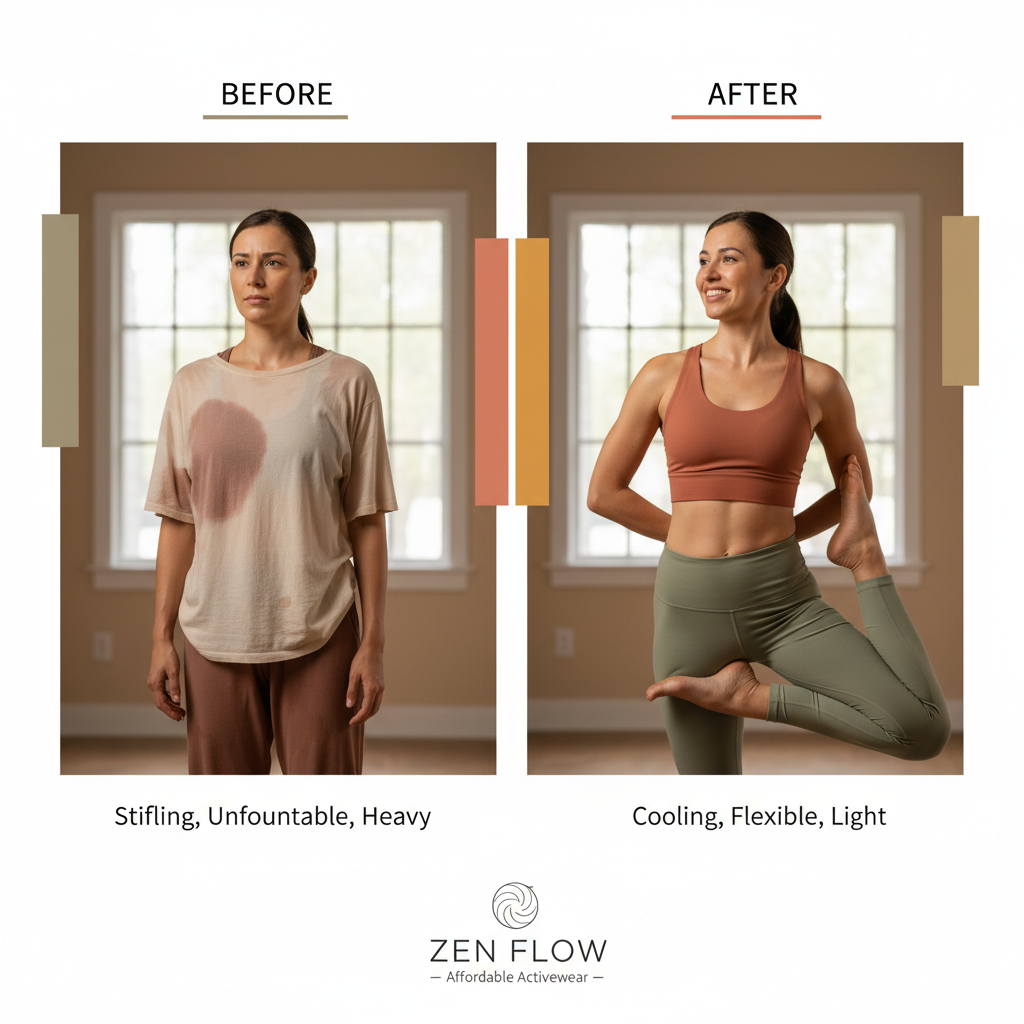
Finding the perfect balance between performance and price is often the biggest hurdle for wellness enthusiasts, especially when searching for affordable hot yoga clothes that can withstand extreme temperatures and intense perspiration. In an era where premium activewear brands often charge exorbitant prices for minimal technical gains, the demand for accessible, high-quality gear has skyrocketed globally. Understanding the science of moisture-wicking fabrics and ergonomic design allows practitioners to focus on their mindfulness rather than their wardrobe.
The global rise of hot yoga—characterized by high humidity and heat—requires a specific textile approach to prevent chafing and ensure rapid evaporation. From a manufacturing perspective, the shift toward synthetic blends and recycled polymers has made it possible to produce durable, professional-grade apparel without the luxury markup. This democratization of fitness gear ensures that health and wellness are no longer gated by financial barriers, promoting a more inclusive approach to physical health.
By prioritizing technical specifications over brand prestige, consumers can acquire affordable hot yoga clothes that offer superior stretch, compression, and breathability. This guide explores the intersection of textile engineering and cost-efficiency, providing a comprehensive look at how modern manufacturing is evolving to meet the needs of the global yoga community.
Global Market Relevance of Affordable Hot Yoga Clothes
The global fitness apparel market has witnessed a significant shift as consumers move away from "logo-driven" purchasing toward "value-driven" selection. With the proliferation of hot yoga studios in North America, Europe, and Asia, there is a critical need for affordable hot yoga clothes that do not compromise on the ISO standards for textile breathability and durability.
Industry data suggests that the democratization of sport-specific clothing has increased studio retention rates by nearly 20%, as beginners are more likely to commit to a practice when the entry cost for gear is manageable. By optimizing supply chains and utilizing advanced knitting techniques, manufacturers are now delivering high-compression, sweat-wicking garments at a fraction of the traditional cost.
Defining Technical Standards for Budget Activewear
In simple terms, affordable hot yoga clothes are garments engineered from technical synthetic blends—typically nylon and spandex—designed to manage moisture and provide unrestricted movement without the premium branding markup. The "affordable" aspect does not imply a reduction in quality, but rather a streamlined production process and a direct-to-consumer business model.
From a humanitarian and social perspective, accessible activewear promotes public health. When high-performance gear is priced reasonably, it removes the socioeconomic barrier to entry for wellness practices, allowing individuals from all backgrounds to engage in activities that reduce stress and improve cardiovascular health.
Modern industry standards now emphasize "performance-per-dollar." This means that the focus has shifted toward the GSM (grams per square meter) of the fabric and the elasticity recovery rate, ensuring that budget-friendly options still provide the necessary "squat-proof" opacity and support required for an intense hot yoga session.
Core Components of High-Performance Yoga Textiles
Moisture Management is the primary pillar of affordable hot yoga clothes. Capillary action in the fibers pulls sweat away from the skin to the surface of the fabric, where it can evaporate quickly, preventing the garment from becoming heavy and saturated during a 40°C (104°F) session.
Four-Way Stretch capability ensures that the clothing moves with the body in every direction. For affordable gear to be effective, it must utilize a high percentage of elastane or spandex, allowing for deep lunges and inversions without the fabric restricting blood flow or losing its shape over time.
Durability and Colorfastness are often overlooked in budget ranges, but high-quality affordable options utilize solution-dyed yarns. This process ensures that the vibrant colors of the affordable hot yoga clothes do not bleed or fade despite frequent washing and exposure to high salt content from sweat.
Cost-Efficiency vs. Performance Metrics
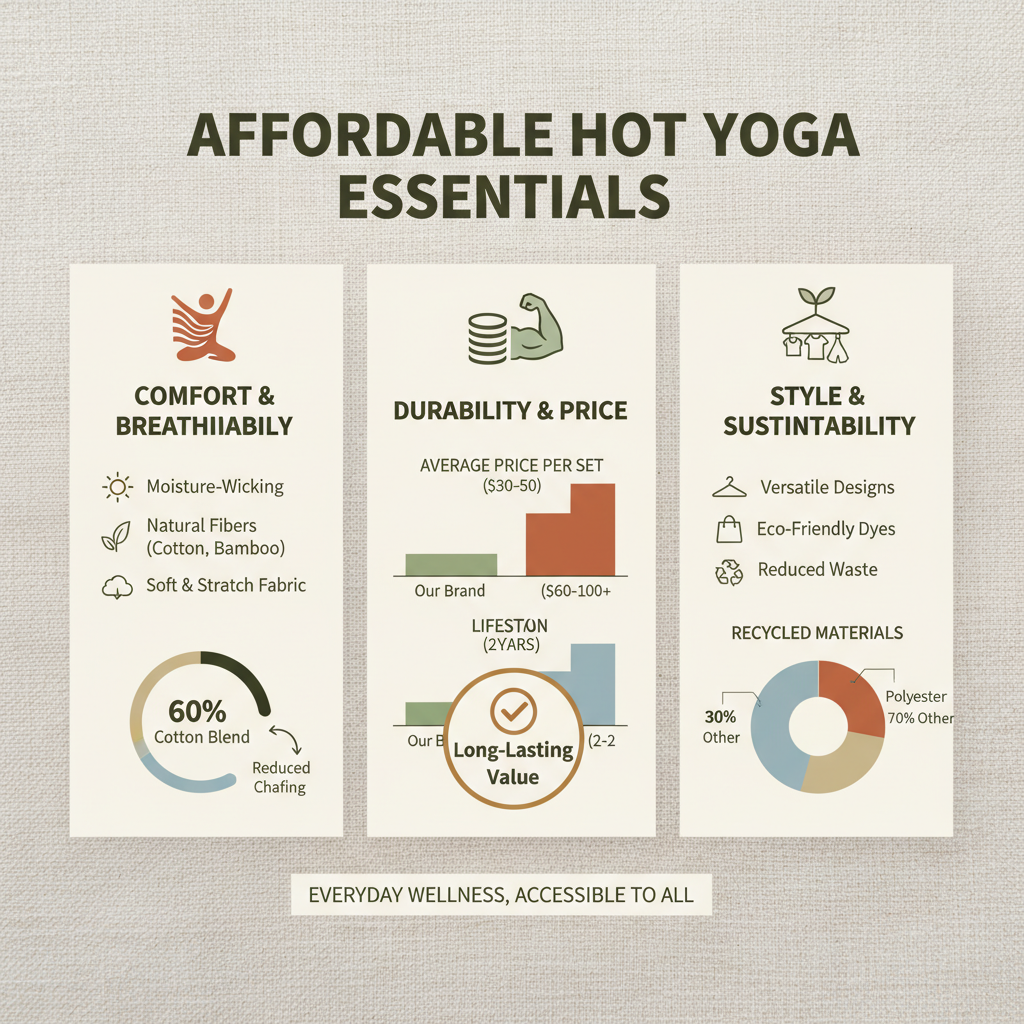
When analyzing the value proposition of different activewear tiers, it becomes clear that the gap between luxury and budget options is narrowing. By focusing on the core functional requirements—such as breathability and tensile strength—manufacturers can offer affordable hot yoga clothes that rival the performance of elite brands.
The following data illustrates the performance ratings across various budget-friendly fabric compositions, proving that strategic material selection can yield top-tier results without a high price tag.
Performance Analysis of Affordable Hot Yoga Clothes Variants
Real-World Applications Across Global Studios
In high-density urban centers like New York, London, and Tokyo, the adoption of affordable hot yoga clothes has shifted the studio culture. Many studios now partner with value-based manufacturers to provide "starter kits" for new members, ensuring that the lack of expensive gear does not deter people from starting a wellness journey.
Beyond urban studios, these garments are increasingly used in corporate wellness programs and remote community centers. In regions with limited access to luxury retail, the availability of high-performance, low-cost apparel allows practitioners to maintain a professional standard of dress that supports the physical demands of hot yoga without financial strain.
Long-Term Value and Sustainable Investment
The long-term value of affordable hot yoga clothes lies in the balance between cost and longevity. By utilizing reinforced stitching and high-density fabrics, these garments avoid the "fast fashion" trap, providing years of use despite the lower initial price point. This creates a logical economic advantage for the consumer who can rotate multiple sets of gear for the price of one luxury item.
From an emotional perspective, the confidence provided by well-fitting, non-transparent, and breathable clothing allows for a deeper connection between mind and body. When a practitioner isn't worrying about their clothes slipping or becoming overly heavy with sweat, they can achieve a state of flow more effectively, enhancing the overall psychological benefit of the practice.
Furthermore, the shift toward affordable high-performance wear encourages a more sustainable consumption pattern. As manufacturers optimize for durability and affordability, the industry moves toward a model where quality is a standard rather than a luxury, reducing the overall waste associated with poorly made, ultra-cheap alternatives.
Future Innovations in Low-Cost Yoga Apparel
The future of affordable hot yoga clothes is being shaped by digital transformation and green chemistry. Automation in 3D knitting is reducing fabric waste by up to 30%, allowing brands to lower costs further while increasing the precision of compression zones within the garment.
Sustainability is also becoming a core component of affordability. The integration of recycled ocean plastics and bio-based polymers is not only reducing the environmental footprint but is also becoming more cost-effective as production scales. We are moving toward a world where "eco-friendly" and "affordable" are no longer contradictory terms.
Additionally, the emergence of smart textiles—such as fabrics that can subtly regulate temperature or indicate hydration levels through color changes—is beginning to trickle down from high-end prototypes to affordable consumer lines, promising a new era of data-driven wellness gear.
Comparative Analysis of Future Fabric Technologies for Affordable Activewear
| Fabric Technology |
Moisture Wicking Score |
Cost Efficiency |
Eco-Impact Rating |
| Recycled Nylon 6.6 |
9/10 |
High |
Excellent |
| Bio-based Spandex |
8/10 |
Medium |
Very High |
| Graphene-Infused Poly |
10/10 |
Low |
Medium |
| Seamless Micro-Mesh |
9/10 |
Very High |
High |
| Silver-Ion Anti-Odor |
7/10 |
Medium |
Medium |
| Bamboo Charcoal Blend |
8/10 |
High |
Excellent |
FAQS
Hot yoga clothes are specifically engineered for extreme heat and humidity. While regular gym wear manages general sweat, affordable hot yoga clothes prioritize higher moisture-wicking rates and lightweight, high-stretch fabrics that prevent the garment from becoming heavy or clinging uncomfortably as you sweat profusely in a heated room.
Not necessarily. The "squat-proof" quality depends on the fabric's GSM (density) and the blend of nylon and spandex, not the price tag. High-quality affordable brands use dense knitting techniques to ensure opacity even during deep stretches, making them a reliable choice for any yoga level.
To maintain the elasticity of affordable hot yoga clothes, avoid using fabric softeners, which can clog the moisture-wicking pores. Wash them in cold water on a gentle cycle and air dry them instead of using a high-heat dryer to prevent the spandex fibers from breaking down.
Absolutely. Cotton absorbs moisture and stays wet, which can lead to chafing and discomfort in a hot yoga environment. Synthetic blends found in affordable performance gear are hydrophobic, meaning they push water away from the fiber, allowing for rapid evaporation and keeping you cooler.
Depending on the frequency of your practice, you should check for "elasticity fatigue"—where the waistband or knees begin to sag. High-quality affordable hot yoga clothes typically last 6-12 months of regular use before the compression begins to diminish significantly.
Yes, because they are designed for high-heat and high-movement environments, they are excellent for hiking, running, or any outdoor sport where moisture management and freedom of movement are critical. Their durability makes them versatile across various fitness categories.
Conclusion
The evolution of the activewear industry has proven that high performance does not have to come with a luxury price tag. By focusing on the critical technical elements—moisture-wicking, four-way stretch, and material durability—consumers can find affordable hot yoga clothes that support their physical health and mental well-being without compromising their financial stability.
As we look toward a future of sustainable manufacturing and smart textiles, the accessibility of professional-grade gear will only increase. We encourage practitioners to prioritize fabric specifications over brand names to maximize their value. For those looking to elevate their practice with gear that balances quality and cost, visit our website: www.qsclothing.com